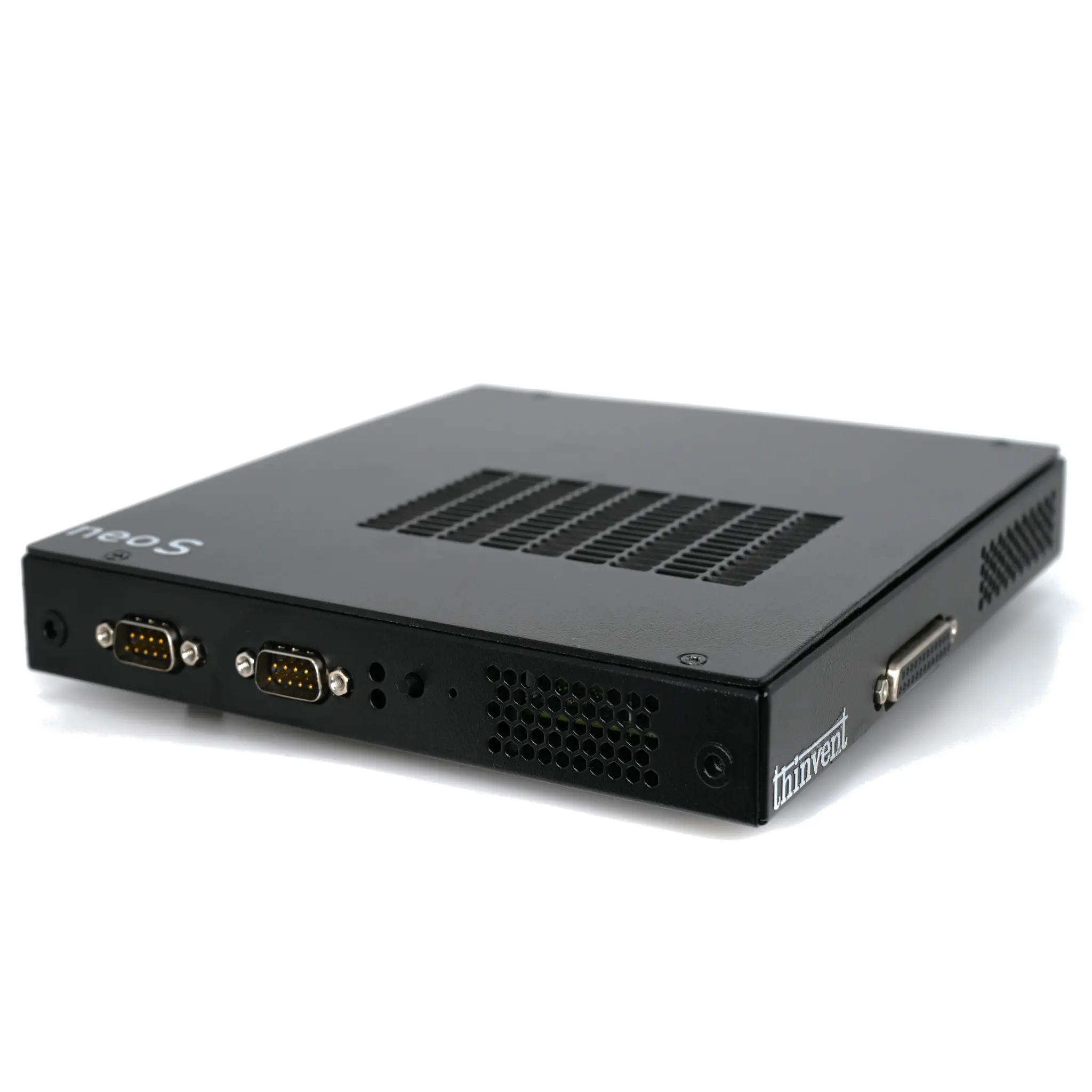
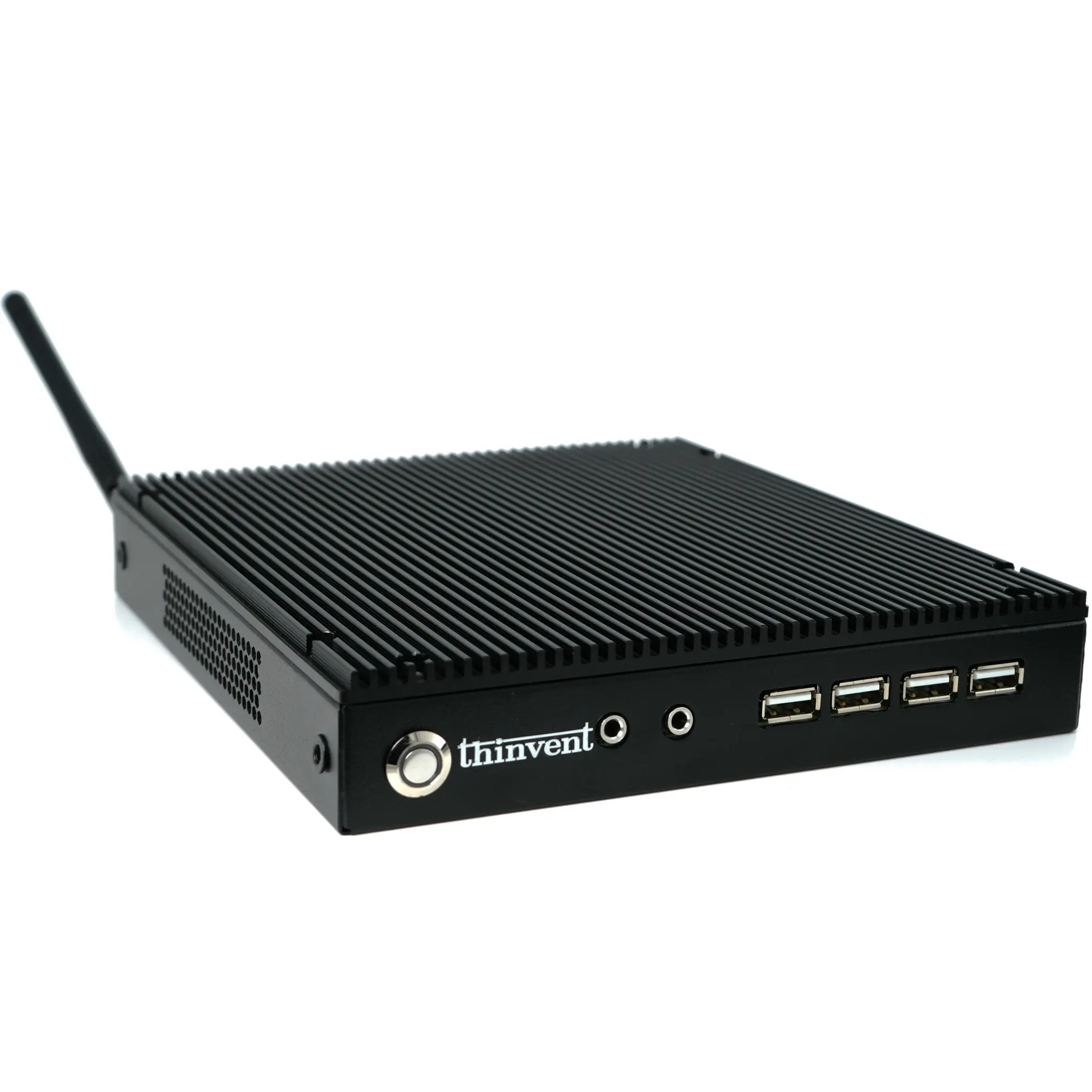
A remote desktop thin client is a compact, low-power endpoint device designed to connect to a centralized server or virtual desktop infrastructure (VDI). It runs a lightweight operating system or client software to access applications and desktops hosted on a remote server, rather than processing data locally. This architecture centralizes computing resources, simplifies IT management, enhances security, and reduces total cost of ownership.
Key Specifications and Technical Details
Modern thin clients for remote desktop use are characterized by several key features. They typically utilize energy-efficient processors like Intel's N-series (e.g., N100) or ARM-based chips, which provide ample performance for decoding video streams without generating excessive heat, allowing for fanless, silent operation. Essential specifications include sufficient RAM (8GB to 16GB is common) for smooth client-side caching, and modest SSD storage (128GB to 256GB) primarily for the OS and client software. Reliable, high-speed Gigabit Ethernet (1000) is critical for network stability, while multiple display outputs (HDMI) and USB ports facilitate connectivity to peripherals like monitors, keyboards, and mice.
Use Cases and Applications
Thin clients are ideal for environments requiring standardized, secure, and easily managed workspaces. Common applications include:
-
Corporate VDI: Providing employees with secure access to virtual desktops from any office location.
-
Call Centers: Deploying identical, locked-down workstations that are easy to maintain and replace.
-
Healthcare: Accessing Electronic Health Record (EHR) systems from nursing stations or patient rooms with enhanced data security.
-
Education: Creating computer lab or classroom setups where students access software from a central server.
-
Digital Signage & Kiosks: Reliably displaying content or running interactive applications with minimal local maintenance.
Operating System Comparison
The choice of operating system impacts security, manageability, and compatibility.
| OS Option | Best For | Key Characteristics |
|---|---|---|
| Windows 11 IoT/Pro | Environments deeply integrated with Microsoft ecosystems (Active Directory, Group Policy). | Familiar interface, broad peripheral support, requires licensing. |
| Ubuntu Linux | Cost-sensitive deployments, Linux-based VDI backends, or developers. | Open-source, highly secure, lower resource overhead. |
| Thin Client OS (e.g., Thinux™) | Dedicated, locked-down terminal environments maximizing security and performance. | Minimal footprint, fast boot times, often includes management tools. |
| Without OS/FreeDOS | IT departments with a standardized custom OS image for mass deployment. | Provides maximum flexibility for a custom software stack. |
Thinvent's Remote Desktop Thin Client Solutions
Thinvent offers a robust range of industrial-grade thin clients built for 24/7 reliability in demanding environments. Our fanless Aero Mini PC series, powered by efficient Intel processors like the N100, exemplifies the ideal thin client hardware. These devices provide silent operation, compact form factors for space-constrained deployments, and a variety of OS options to match your IT strategy. Engineered for durability and consistent network performance, Thinvent thin clients are a dependable foundation for any VDI, cloud desktop, or remote workstation implementation.