What Is The Best Processor For A CPU?
The "best" processor for a CPU is not a single model but depends entirely on the specific workload, environment, and performance requirements of the application. For industrial computing, the ideal processor balances raw performance with critical factors like power efficiency, thermal design, and long-term reliability. Key specifications to evaluate include core count, clock speed, cache size, thermal design power (TDP), and the processor's generation, which dictates its architecture and feature set.
Key Specifications and Technical Details
When selecting a processor, consider these technical aspects:
-
Core Count: Determines multitasking capability. More cores allow for better parallel processing of multiple applications or threads.
-
Clock Speed (GHz): Affects the speed of single-threaded tasks. Higher frequencies can improve responsiveness.
-
Cache Memory (MB): A small, fast memory pool on the CPU that stores frequently accessed data, reducing latency.
-
Thermal Design Power (TDP): Crucial for fanless and compact designs. Lower TDP processors (e.g., Intel N-series) generate less heat, enabling silent, reliable operation in harsh environments without active cooling.
-
Generation: Newer generations (e.g., 12th, 13th, 14th Gen Intel® Core™) offer improved performance per watt, better integrated graphics, and support for newer technologies.
Use Cases and Application Matching
Matching the processor to the task is essential for optimal performance and cost-efficiency.
-
Basic Operations & Digital Signage: For light tasks like running a single kiosk application, basic HMIs, or digital signage players, an efficient quad-core processor like the Intel® N100 is often sufficient and cost-effective.
-
Industrial Automation & Edge Computing: Applications involving data acquisition from multiple sensors, light machine vision, or local analytics benefit from processors with higher core counts (e.g., Intel® Core™ i3/i5) for smoother multitasking.
-
Demanding Workloads: For complex machine vision, AI inference at the edge, or virtualization, higher-performance processors from the Intel® Core™ i5 series (e.g., 12th Gen or newer) with more cores and threads are recommended.
Processor Comparison for Industrial Applications
| Application Profile | Recommended Series | Typical Core Count | Key Benefit |
|---|---|---|---|
| Lightweight & Fanless (Kiosk, Thin Client) | Intel® Processor N-series | 4 Cores | Ultra-low power, fanless design, cost-effective |
| Balanced Performance (Automation, Edge Gateway) | Intel® Core™ i3 | 4-6 Cores | Good multitasking, integrated graphics, moderate power |
| High Performance (Machine Vision, AI, Workstation) | Intel® Core™ i5 | 10-12 Cores | High computational power, advanced graphics, for demanding tasks |
Thinvent Industrial PCs Featuring Optimized Processors
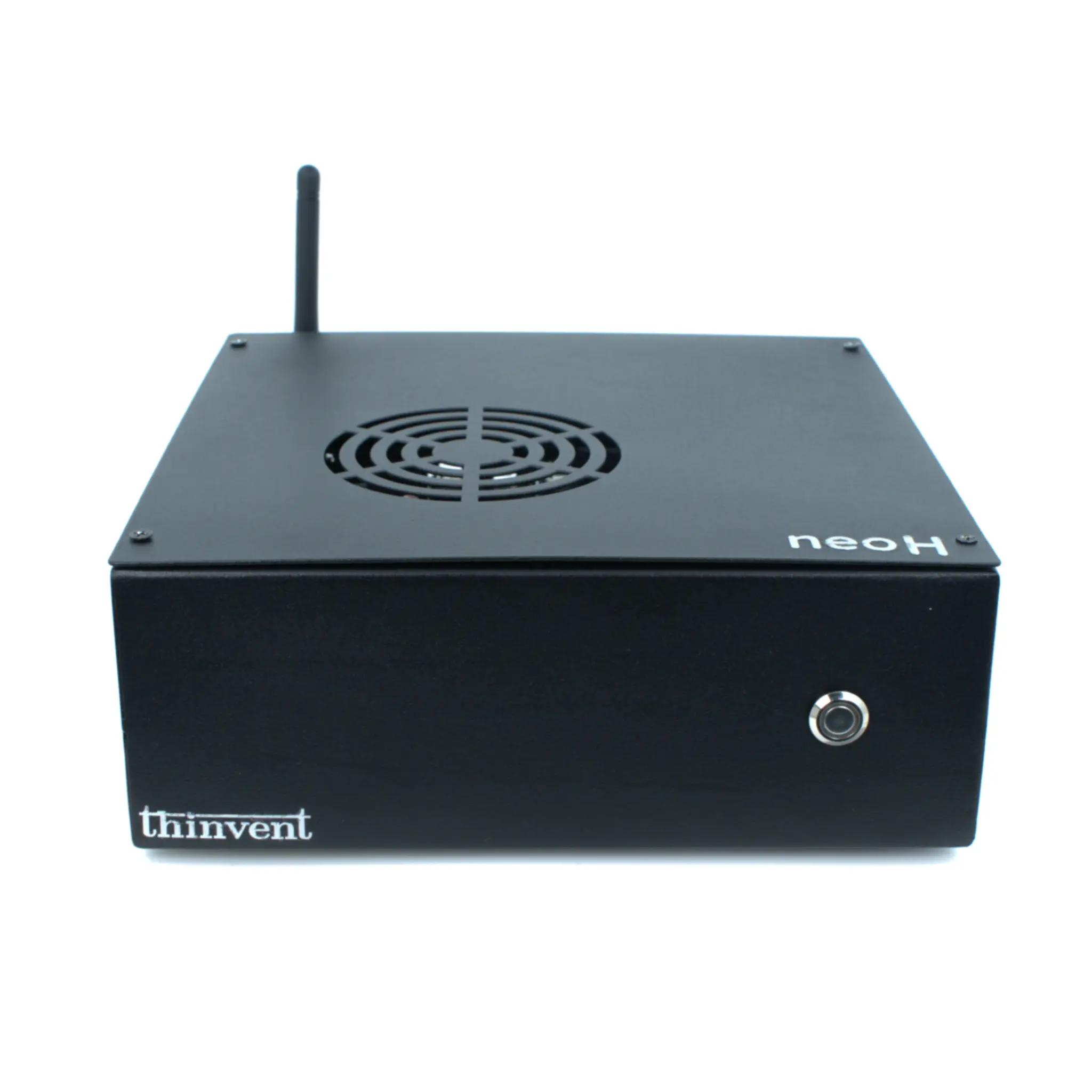
Thinvent designs its industrial computer portfolio around these principles, offering a range of systems with carefully selected processors. Our product lines include compact Mini PCs and robust Industrial PCs equipped with processors from the Intel® N-series for efficient, fanless operation to Intel® Core™ i5 models for high-performance computing tasks. Each system is engineered for reliability in challenging conditions, ensuring you get the right balance of processing power, thermal management, and connectivity for your specific industrial application.