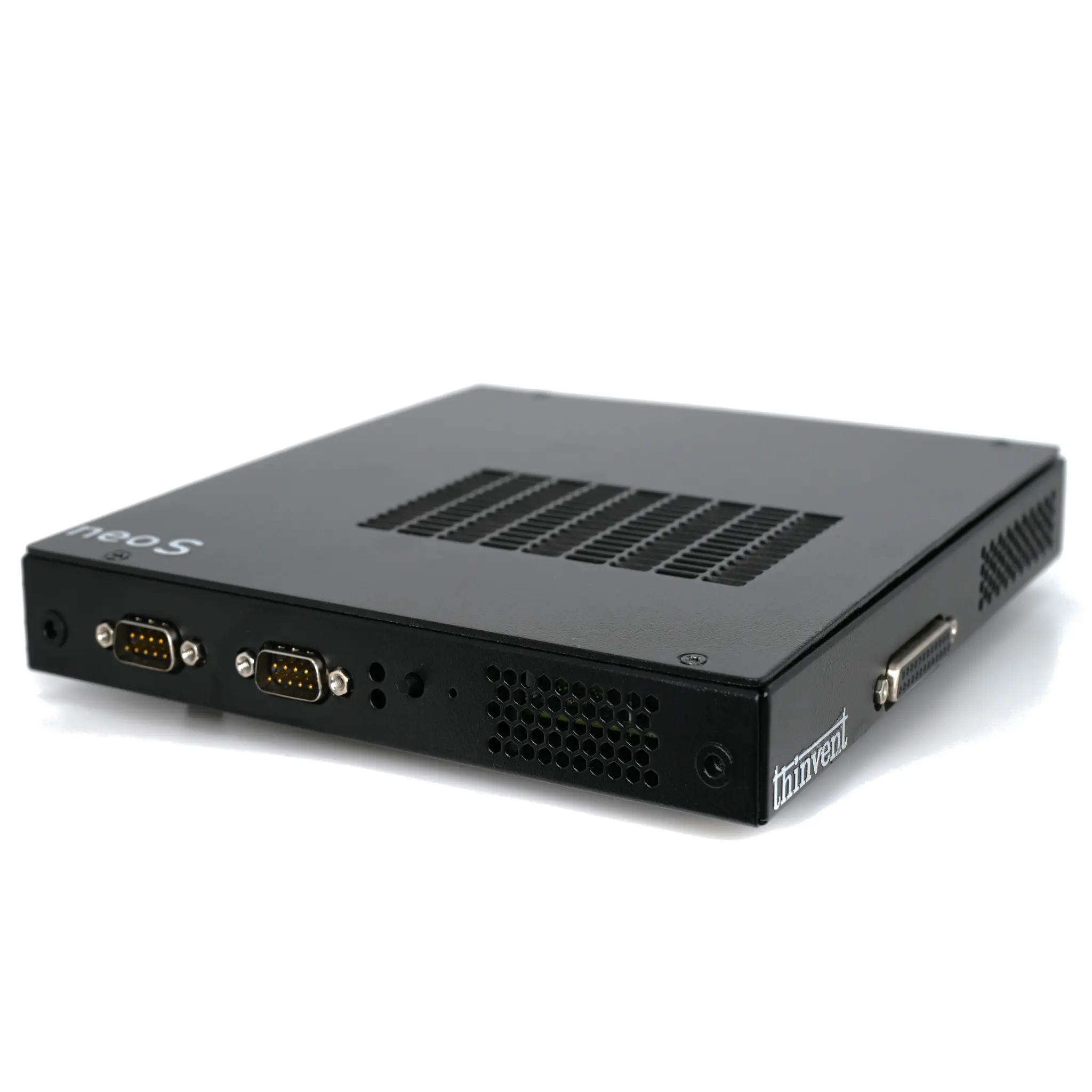
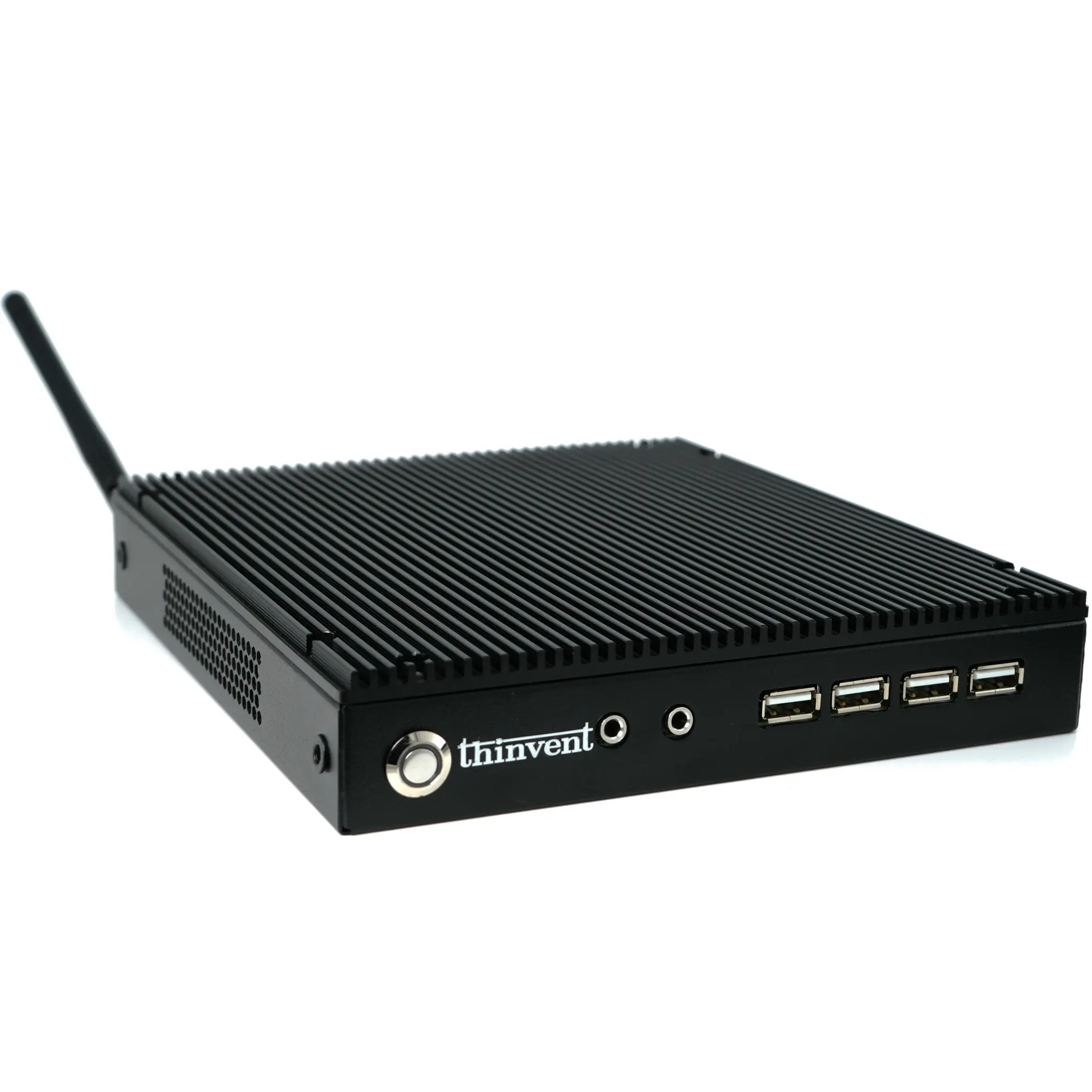
A computer without a CPU, often referred to as a "CPU-less" or "barebones" system, is a specialized industrial computing solution designed for maximum flexibility and long-term reliability. In this context, "without CPU" typically means the central processing unit is not permanently soldered to the motherboard. Instead, these systems are built with a socketed CPU design, allowing the processor to be installed, upgraded, or replaced by the end-user or system integrator. This is a critical feature for industrial and embedded applications where technology refresh cycles, specific performance requirements, and extended product lifecycles are paramount. It separates them from standard commercial PCs with fixed, non-upgradable processors.
The primary advantage of a socketed, CPU-less industrial computer is future-proofing and maintenance ease. In demanding environments like factory automation, digital signage, or medical equipment, a system might need to be deployed for 7-10 years. During this time, a processor could fail, or performance requirements could change. Instead of replacing the entire computer, a technician can simply swap the CPU. This reduces downtime, lowers total cost of ownership, and minimizes electronic waste. These systems also allow for precise configuration, enabling integrators to pair the exact processor needed for an application with the appropriate chassis, cooling, and I/O.
Key specifications to look for in such systems include the CPU socket type (e.g., LGA 1700 for modern Intel processors), supported processor generations, thermal design power (TDP) limits, and robust power delivery. They are commonly housed in fanless, rugged enclosures for operation in harsh conditions with wide temperature ranges, dust, and vibration. Use cases are extensive: industrial automation controllers, kiosks, point-of-sale terminals, in-vehicle computing, surveillance servers, and laboratory equipment. The ability to customize and upgrade the brain of the system makes them ideal for prototyping and scalable deployments.
Comparison: Socketed vs. Integrated CPU Designs | Feature | Socketed CPU (CPU-less system) | Integrated/Soldered CPU | | :--- | :--- | :--- | | Upgradability | High - CPU can be replaced | None - CPU is fixed | | Repairability | High - Failed CPU can be swapped | Low - Requires full board replacement | | Initial Cost | Often higher due to socket & robust design | Generally lower | | Long-Term TCO | Lower (extends hardware lifecycle) | Higher (full unit replacement likely) | | Application | Industrial, Embedded, Mission-Critical | Consumer, Standard Office, Fixed-Function |
Thinvent's Socketed Industrial Computing Solutions
Thinvent offers a range of industrial-grade computing platforms that embrace the socketed CPU philosophy for ultimate flexibility. Our Industrial PC (IPC) series is engineered with standard desktop CPU sockets, supporting the latest Intel Core processor generations. This allows businesses and system integrators to specify the exact performance tier required, from efficient Intel N-series for basic control to powerful Intel Core i5 and i7 processors for data-intensive edge computing. Built with industrial components, wide-voltage power inputs, and fanless cooling options, Thinvent IPC systems are designed for 24/7 operation in challenging environments. Whether you need a system for a new deployment or require the ability to easily service and upgrade existing installations, our configurable, CPU-ready platforms provide a reliable and adaptable foundation for your industrial applications.