What Are 16-Core CPUs?
A 16-core CPU is a central processing unit containing 16 independent processing cores on a single chip. This architecture provides exceptional parallel processing capabilities, allowing the computer to handle numerous tasks and complex computations simultaneously. In industrial computing, such high core counts are essential for demanding applications that require substantial multitasking, data processing, and computational power without compromising system stability or responsiveness.
Key Specifications and Performance
Industrial-grade 16-core processors are typically found in high-performance segments, such as Intel's Core i7 and i9 series or Xeon workstation-class CPUs. Key technical aspects include:
-
High Core/Thread Count: 16 physical cores, often with Hyper-Threading, providing 32 logical threads for extreme multitasking.
-
Elevated Clock Speeds: High base and turbo frequencies to handle both multi-threaded and single-threaded workloads efficiently.
-
Large Cache Memory: Substantial L3 cache (often 24MB or more) to reduce latency and speed up data access for core-intensive tasks.
-
Advanced Thermal Design Power (TDP): These processors have higher TDP ratings, requiring robust cooling solutions, often fanless with large heatsinks, to ensure reliable operation in harsh environments.
Applications and Use Cases
Systems equipped with 16-core processors are engineered for the most demanding industrial and commercial scenarios:
-
Industrial Automation & Control: Running complex PLCs, SCADA systems, and digital twin simulations.
-
Edge AI and Machine Learning: Processing vast sensor data and executing real-time inference models for quality control and predictive maintenance.
-
Media & Digital Signage: Driving multiple high-resolution displays in video walls or rendering complex 3D content.
-
Scientific Research & Data Analysis: Performing computational modeling, simulation, and large dataset analysis at the edge.
-
High-Performance Workstations: For engineering design (CAD/CAM), financial modeling, and software development.
Comparison: High-Core-Count Processors
| Feature | 10-Core (e.g., i5-1335U) | 16-Core (e.g., i7/i9, Xeon) |
|---|---|---|
| Cores/Threads | 10 Cores / 12 Threads | 16 Cores / 24-32 Threads |
| Typical Use Case | Robust multitasking, mid-range servers, kiosks | Heavy computational loads, AI, advanced simulation |
| Power Profile | Moderate TDP (15-28W) | Higher TDP (45W+), requires advanced cooling |
| Ideal For | Most industrial IoT, digital signage, thin clients | Mission-critical automation, edge servers, research |
Thinvent Products Featuring High-Core-Count Technology
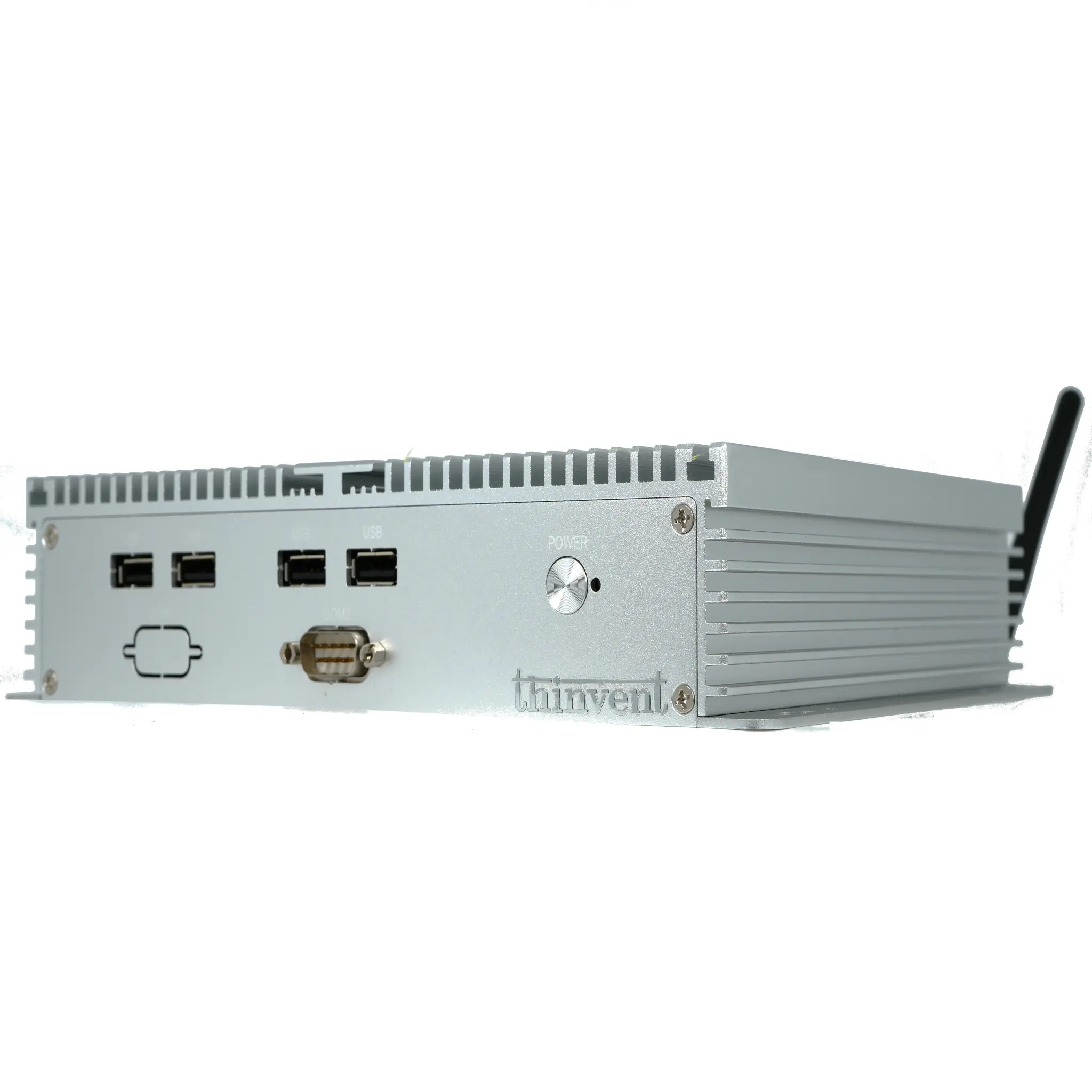
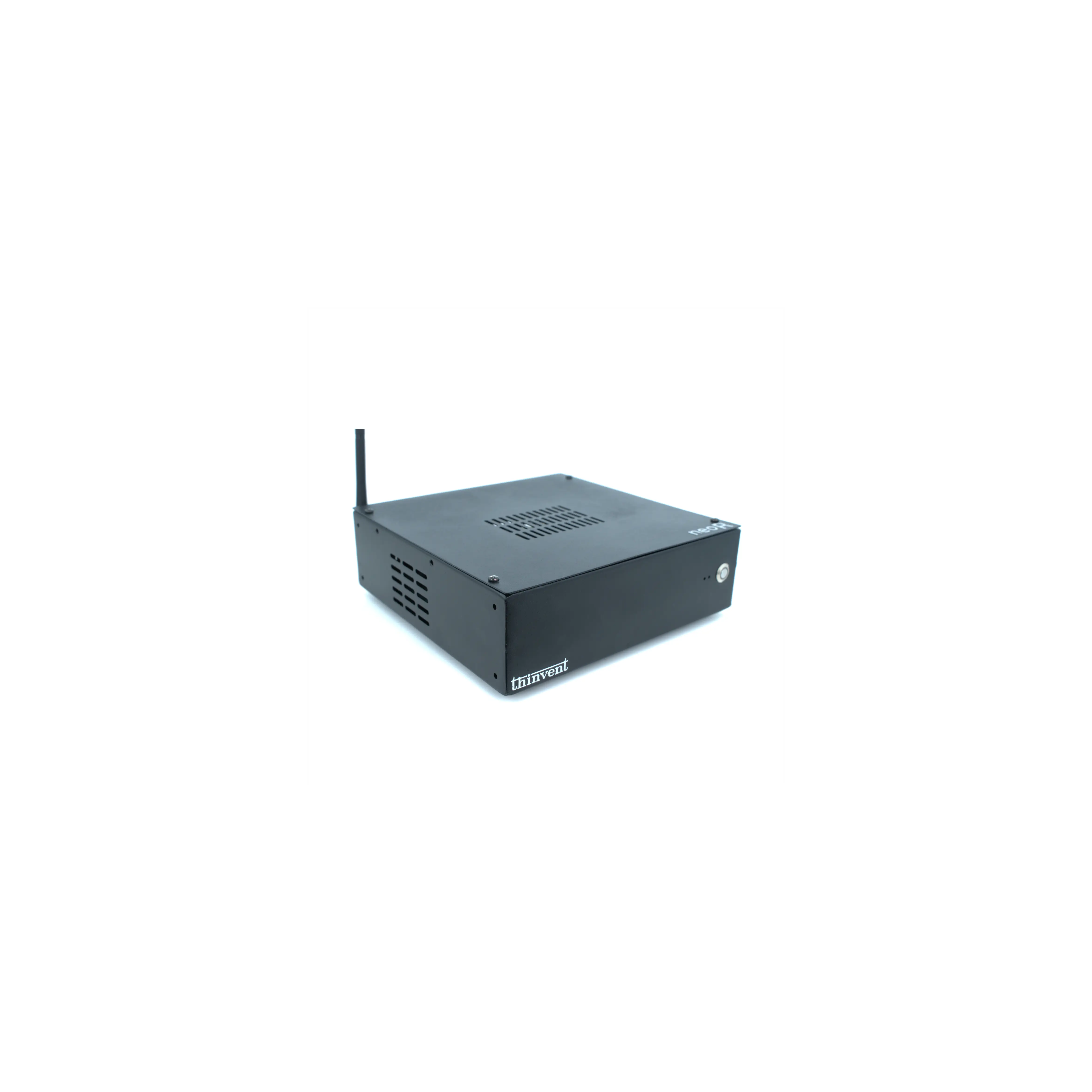
While the sample products listed feature a powerful 10-core Intel Core i5 processor, Thinvent's industrial computing portfolio is designed to scale with your processing needs. We offer a range of robust Mini PCs, Industrial PCs, and All-in-One solutions that can be configured with the latest high-core-count processors from Intel, including options suitable for workloads that demand 16-core performance. Our systems are built with fanless, solid-state designs for reliability in challenging environments, ensuring your high-performance applications run continuously without failure. Contact our technical team to discuss a custom configuration tailored to your specific computational requirements.