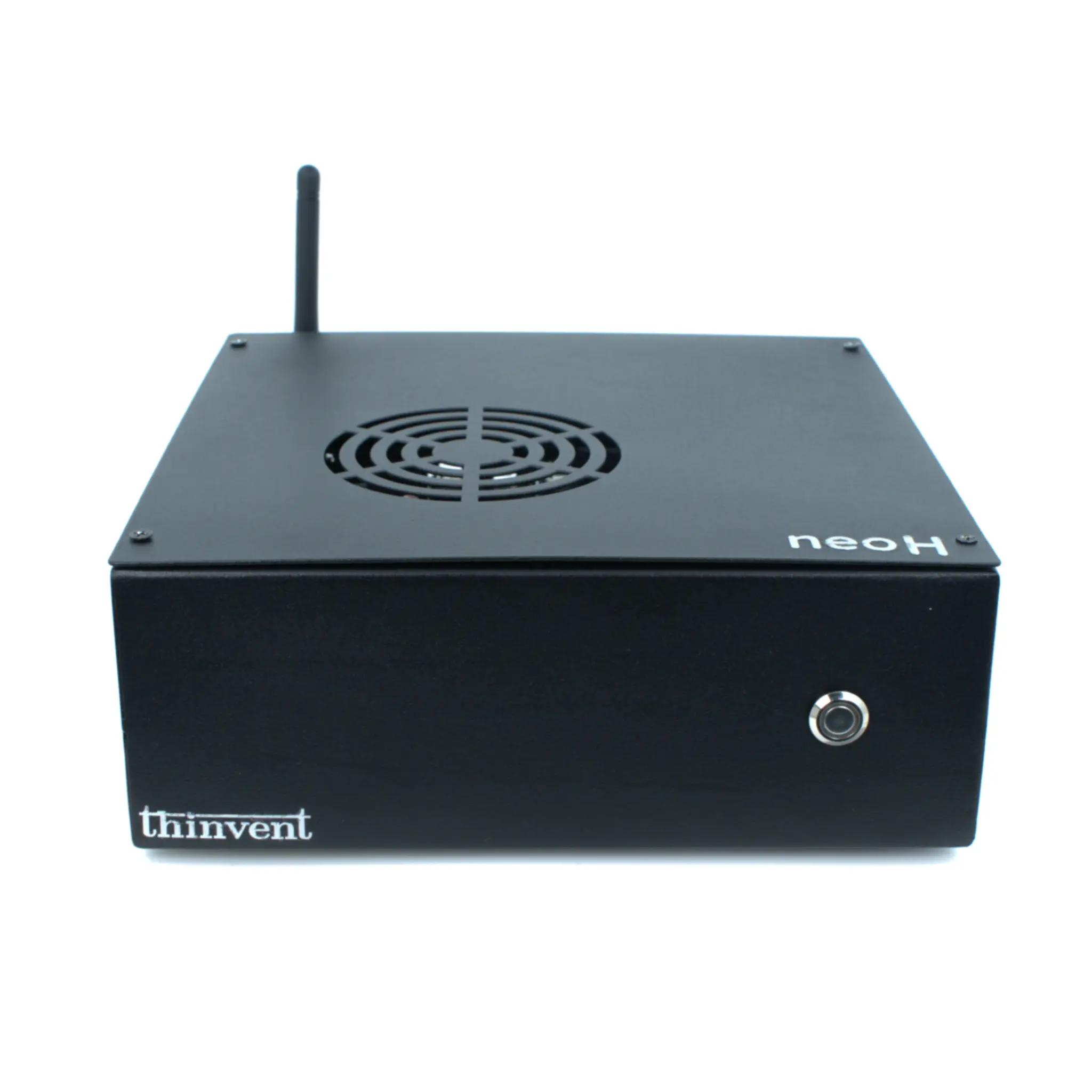
What Are Micro PCs and Why Choose Them for Business & Industry?
Micro PCs, also known as ultra-compact mini PCs, are small form-factor computers designed to deliver reliable performance while occupying minimal space. Unlike traditional desktop towers, these devices are typically smaller than a paperback book yet pack sufficient processing power for business tasks, digital signage, industrial automation, and embedded systems. Their compact footprint makes them ideal for environments where space is at a premium—such as retail counters, factory floors, medical carts, or office hot-desking stations.
For business and industrial use, micro PCs offer several critical advantages: fanless cooling options for silent operation and dust resistance, low power consumption for 24/7 operation, and robust build quality to withstand vibration and temperature variations. Many models support VESA mounting, allowing them to be discreetly attached behind monitors or under desks, creating a clean, clutter-free workspace.
Key Specifications to Consider
When selecting a micro PC for professional environments, pay attention to these core specifications:
-
Processor: Entry-level Intel N100 (4 cores, up to 3.4 GHz) handles office productivity and light multitasking. Mid-range Intel Core i3/i5 (6-12 cores) supports more demanding applications like data analysis or industrial control software. ARM Cortex processors (4 cores, up to 2.0 GHz) excel in energy-efficient, single-purpose deployments.
-
Memory: 4GB RAM minimum for basic tasks; 8-16GB recommended for multitasking; 32GB+ for virtualization or heavy industrial software.
-
Storage: 64GB eMMC for lightweight OS and limited data; 128-512GB SSD for faster boot times and ample application space.
-
Connectivity: Look for dual-band WiFi, multiple USB 3.2 ports, HDMI output (often 1-2 ports), and Gigabit Ethernet for reliable networking.
-
Operating System: Options include Windows 11 Pro for full compatibility, Ubuntu Linux for open-source flexibility, or embedded Linux (e.g., Thinux™) for locked-down industrial use.
Common Use Cases for Micro PCs
Micro PCs serve diverse roles across business and industrial sectors:
| Use Case | Requirements | Recommended Specs |
|---|---|---|
| Office productivity | Word processing, email, web browsing | Intel N100, 4-8GB RAM, 128GB SSD |
| Digital signage | 24/7 display content, remote management | ARM Cortex A55, 2-4GB RAM, 16-64GB eMMC |
| Industrial automation | PLC connectivity, rugged environment | Intel Core i3/i5, 8-16GB RAM, 256-512GB SSD |
| Point-of-sale (POS) | Peripheral connectivity, reliability | Intel N100, 4-8GB RAM, 128GB SSD |
| Thin client / VDI | Remote desktop access, security | ARM or Intel N-series, 2-4GB RAM, 16-64GB storage |
Industrial environments particularly benefit from models with extended temperature ranges, wide voltage input support, and fanless designs that prevent dust ingress and mechanical failure.
Thinvent's Micro PC Solutions
Thinvent offers a comprehensive range of micro PCs tailored for business and industrial applications. Our portfolio includes:
-
ARM-based Micro PCs (e.g., Micro 5 Wifi, Micro 6 Pro): Ultra-low power consumption (5V operation), fanless design, and embedded Linux for dedicated tasks like digital signage or thin client deployment.
-
Intel N-Series Mini PCs (e.g., Treo, IPC1): Cost-effective performance for office work, POS, and light industrial use with 4-core processors and flexible storage options.
-
Intel Core Mini PCs (e.g., Aero, IPC3): Higher performance for demanding industrial automation, data processing, and multitasking environments with 6-12 core processors and up to 32GB RAM.
All Thinvent micro PCs are engineered for reliability, with solid-state storage, industrial-grade components, and options for Windows, Linux, or no operating system to match your deployment requirements.