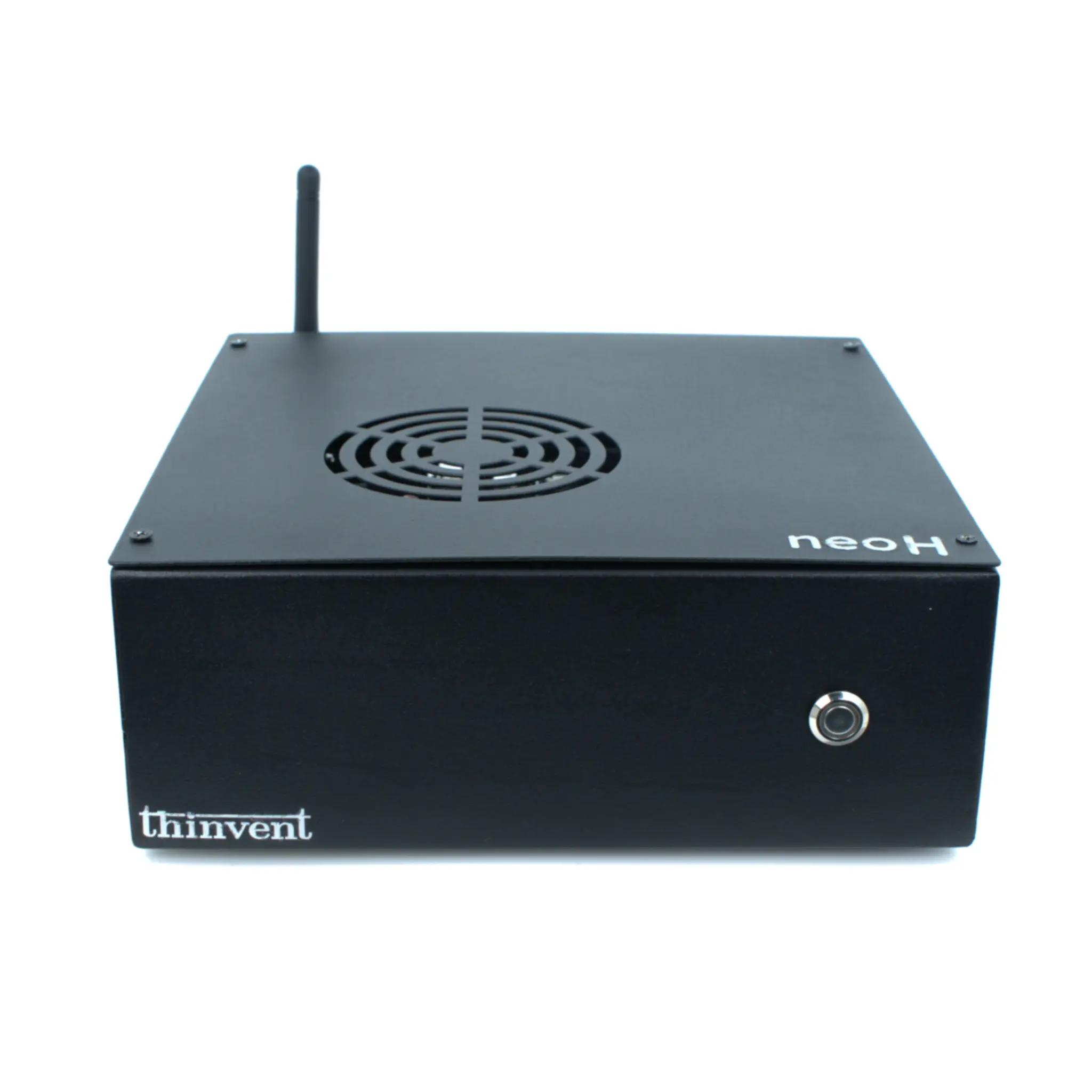
A home lab is a personal computing environment used for learning, development, testing, and running various services. The ideal PC for a home lab balances compact size, efficient performance, low power consumption, and reliable operation. Compact mini PCs are an excellent choice for home labs due to their small footprint, quiet or fanless operation, and sufficient processing power for a wide range of tasks.
Key Specifications for Home Lab Mini PCs For a versatile home lab, key specifications to consider include a modern multi-core processor (Intel Core i3/i5 or N-series, or ARM for specific workloads), at least 8GB of RAM (with 16GB or more recommended for virtualization), and ample SSD storage (256GB or more). Multiple connectivity options like Gigabit Ethernet, USB ports, and HDMI outputs are crucial for networking and peripheral attachment. Many home lab applications benefit from an x86 architecture for software compatibility, making Intel-based systems a common choice.
Common Home Lab Use Cases
-
Virtualization & Containers: Running hypervisors (like Proxmox, ESXi) or container platforms (Docker, Kubernetes) to host multiple virtual machines or services.
-
Network Services: Acting as a firewall/router (pfSense/OPNsense), network-attached storage (NAS), or DNS/ad-blocker (Pi-hole).
-
Development & Testing: Providing a sandboxed environment for coding, web development, and testing software across different operating systems.
-
Media & Home Automation: Hosting media servers (Plex, Jellyfin) or home automation hubs (Home Assistant).
Choosing the Right Mini PC The best mini PC for your home lab depends on your primary workload. For lightweight containerization, network services, or as a learning platform, an energy-efficient Intel N-series processor (like the N100) with 8-16GB RAM is sufficient. For more demanding tasks involving multiple virtual machines, software development environments, or media transcoding, a mini PC with a higher-core-count Intel Core i3 or i5 processor (12th Gen or newer) and 16-32GB of RAM is recommended.
| Use Case | Recommended Processor | Recommended RAM | Key Considerations |
|---|---|---|---|
| Lightweight Services / Learning | Intel N100 / ARM | 8 GB | Ultra-low power, fanless, cost-effective. |
| General Virtualization / Dev | Intel Core i3 / i5 (12th+) | 16 GB | Balanced performance, good multi-core for VMs. |
| Demanding Multi-VM / Media Server | Intel Core i5 (12th+) | 32 GB+ | Higher core/thread count, faster storage support. |
Thinvent Mini PCs for Your Home Lab Thinvent offers a range of compact and industrial-grade mini PCs perfectly suited for building a robust and reliable home lab. Our portfolio includes fanless models for silent operation in living spaces, as well as more powerful systems with Intel Core processors for demanding workloads. From the energy-efficient Treo Mini PC with an Intel N100 processor for foundational services, to the Aero Mini PC with Intel Core i3/i5 processors for advanced virtualization, Thinvent provides durable, compact solutions that deliver the performance, connectivity, and stability required for a professional-grade home lab environment.