What is a Desktop Computer?
A desktop computer is a personal computing device designed for regular use at a single location, typically on or near a desk. Unlike laptops, desktops are not portable and consist of separate components: a system unit (tower or case), a monitor, and input devices like a keyboard and mouse. This modular design allows for greater customization, easier upgrades, and typically offers more powerful hardware for the cost compared to mobile alternatives.
Key Specifications and Components
The core of a desktop is its system unit, which houses the motherboard, processor (CPU), memory (RAM), storage (HDD/SSD), and power supply. Key specifications to consider include:
-
Processor (CPU): Determines overall speed and multitasking capability. Common brands are Intel and AMD, with series like Intel Core i3, i5, i7, and i9.
-
Memory (RAM): Temporary workspace for active applications. 8GB is standard for general use, while 16GB or more is recommended for demanding tasks.
-
Storage: Solid State Drives (SSDs) offer fast boot and load times, while Hard Disk Drives (HDDs) provide high-capacity, cost-effective storage.
-
Graphics: Integrated graphics are sufficient for office work, while a dedicated Graphics Processing Unit (GPU) is essential for gaming, video editing, and 3D rendering.
-
Connectivity: Includes USB ports (for peripherals), Ethernet (for wired networking), and video outputs like HDMI or DisplayPort.
Types of Desktop Computers
The traditional desktop tower is just one form factor. Modern desktops include:
-
Tower Desktop: The classic, modular design offering maximum internal expansion.
-
All-in-One (AIO): Integrates the system components into the monitor for a sleek, space-saving design.
-
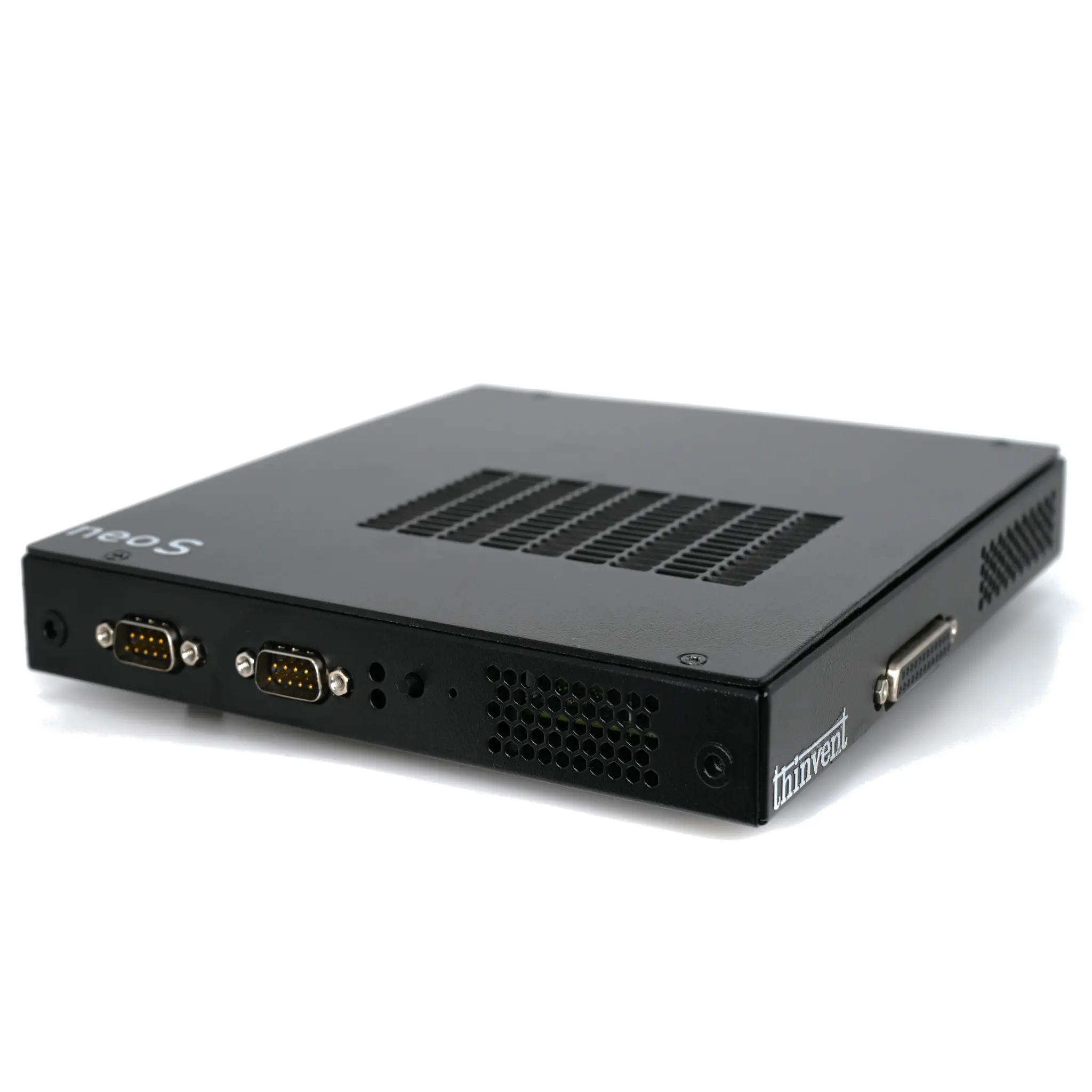
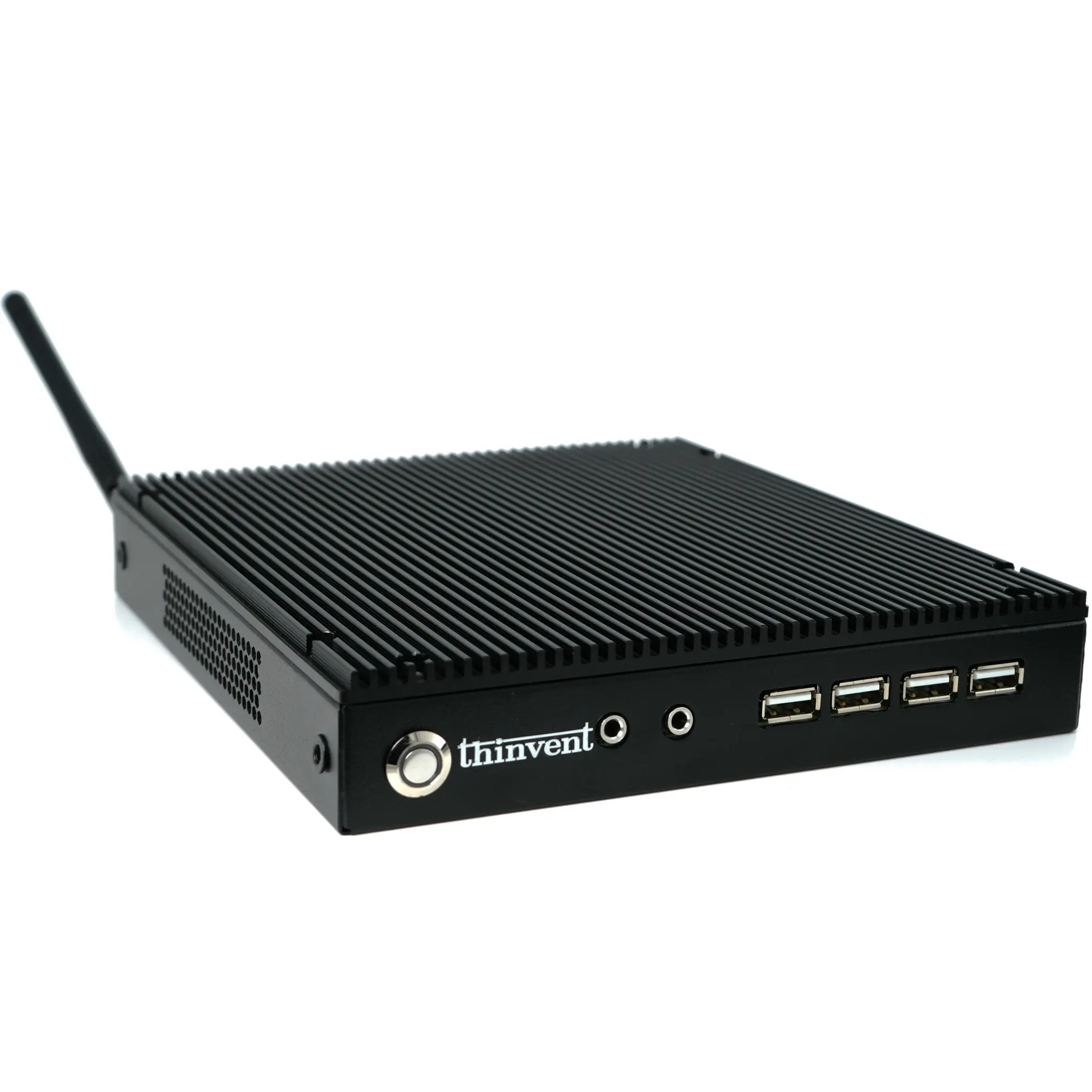
Mini PC / Small Form Factor (SFF): Compact, fanless, or low-profile systems ideal for digital signage, kiosks, office work, and space-constrained environments.
-
Workstation: High-performance desktops built for professional applications like engineering, scientific computing, and content creation.
-
Gaming PC: Desktops optimized with high-end CPUs, powerful GPUs, and enhanced cooling for gaming performance.
Common Use Cases and Applications
Desktop computers are versatile and serve numerous roles:
-
Business & Office Productivity: Running office suites, email, CRM software, and video conferencing.
-
Creative & Professional Work: Video editing, graphic design, 3D modeling, and software development.
-
Education: Computer labs, research, and e-learning platforms.
-
Industrial & Embedded Applications: Powering digital signage, kiosks, point-of-sale systems, and factory automation in rugged, fanless designs.
-
Home & Entertainment: Media centers, home servers, casual gaming, and general web browsing.
Desktop Computers from Thinvent
Thinvent specializes in robust, industrial-grade computing solutions, including a range of desktop form factors built for reliability and performance. Our product lines include:
-
Industrial Mini PCs: Fanless, compact systems like the Aero series, designed for 24/7 operation in challenging environments. They are perfect for digital signage, machine control, and thin client setups.
-
All-in-One PCs: Space-saving solutions that integrate computing power into a sleek display, ideal for retail, hospitality, and office reception areas.
-
Traditional & Compact Industrial Desktops: Rugged towers and small form factor PCs that offer expansion slots and durable construction for factory floors and control rooms.
All Thinvent desktops are engineered with quality components, support a wide range of operating systems (including Windows, Linux, and embedded options), and are built to deliver consistent performance for commercial and industrial applications worldwide.