What is a Professional Computer?
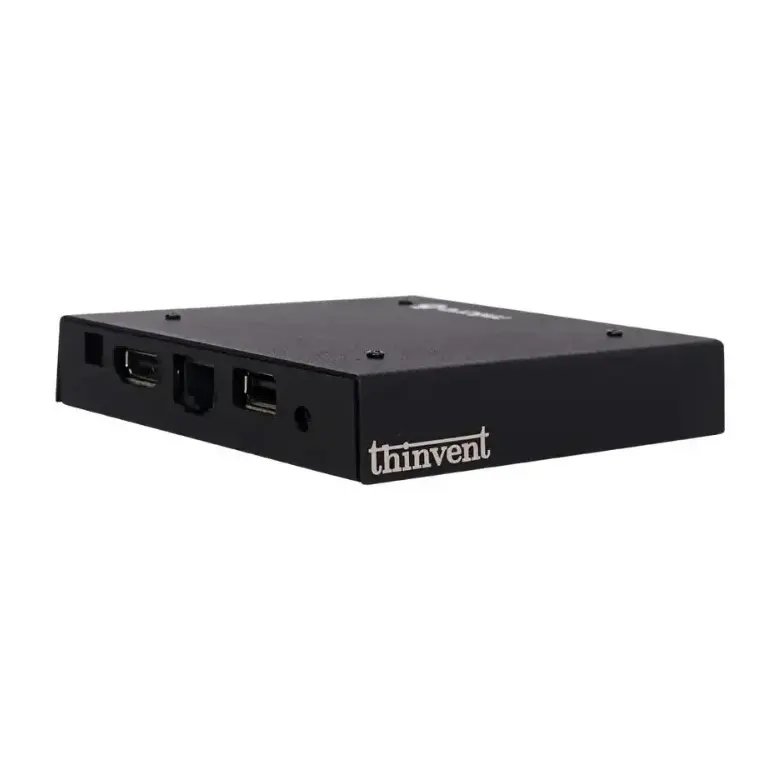
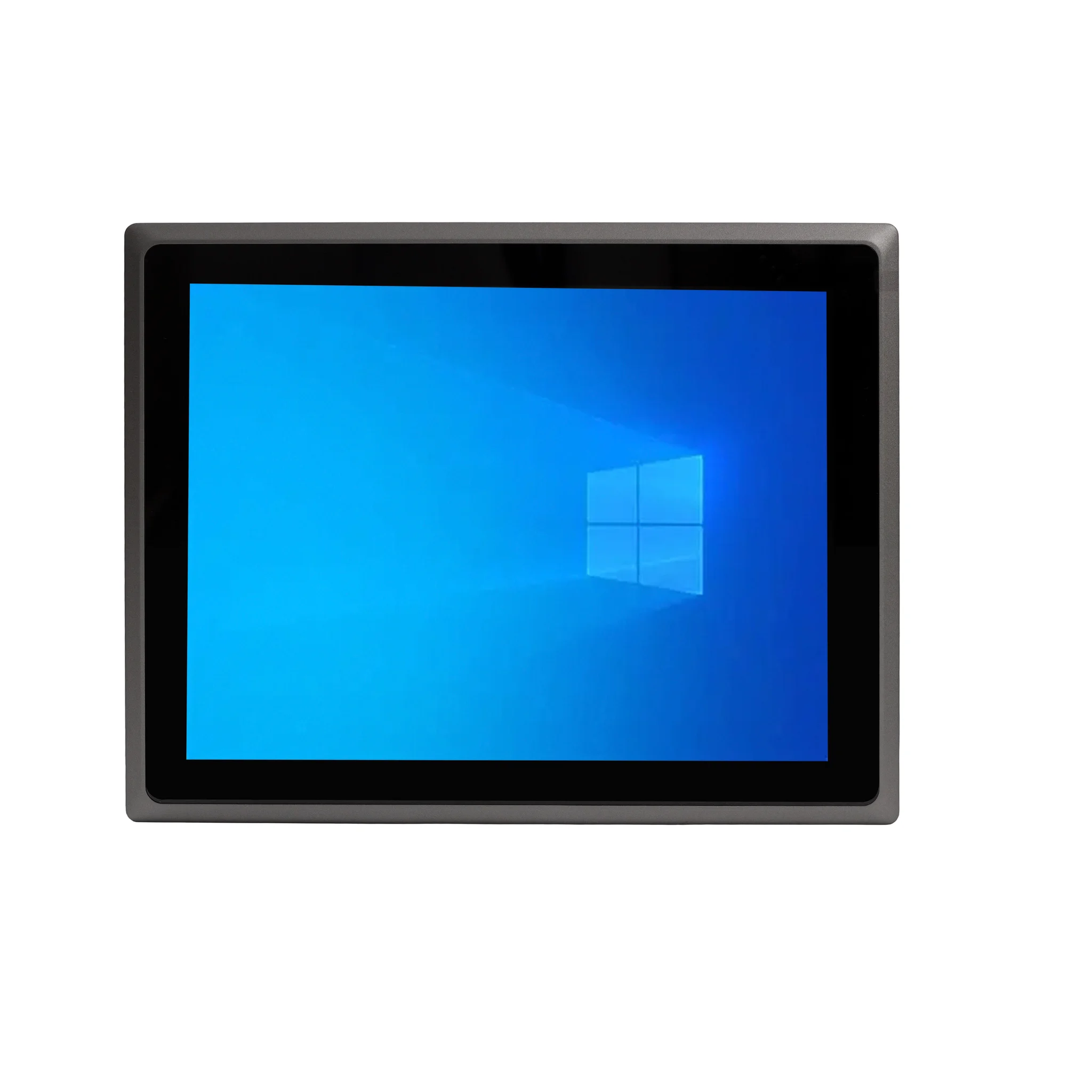
A professional computer is a purpose-built computing system designed for reliability, performance, and stability in business, industrial, and commercial environments. Unlike consumer-grade PCs, these systems prioritize durability, long-term component availability, and specialized features for 24/7 operation. They are engineered to handle specific workloads such as digital signage, point-of-sale (POS) systems, industrial automation, virtualization, and office productivity with minimal downtime. Key characteristics include robust construction, support for professional operating systems like Windows 11 Pro/Enterprise or Linux distributions, and enhanced connectivity for peripherals and networks.
Key Specifications and Architecture
Professional computers span a wide performance spectrum, from ultra-efficient thin clients to powerful industrial workstations. Core specifications defining their capability include:
-
Processor (CPU): Ranges from power-efficient ARM cores (e.g., Cortex A55) for lightweight tasks to high-performance Intel Core i-series (e.g., i5-1250P) and Intel N-series (e.g., N100) processors for demanding applications.
-
Memory (RAM): Configurations typically start at 2GB for basic terminal services and scale up to 16GB or more for multitasking and data-intensive applications.
-
Storage: Utilizes reliable solid-state storage (eMMC or SSD) from 16GB to 512GB, chosen for speed, durability, and resistance to vibration.
-
Operating System: Options include embedded Linux (Thinux™), Ubuntu Linux, and Windows 11 IoT/Pro, selected based on software compatibility and security needs.
-
Form Factor: Includes compact Mini PCs, fanless thin clients, and ruggedized Industrial PCs (IPCs) designed for harsh environments.
Applications and Use Cases
The right professional computer is selected based on its intended operational role:
-
Thin Clients & Light Computing: ARM-based systems like the Micro 5/6 are ideal for cloud-based applications, virtual desktop infrastructure (VDI), kiosks, and simple digital signage, offering low power consumption and silent operation.
-
General Office & Productivity: Mini PCs with Intel Core i3 or N-series processors, such as the Treo or Aero models, are perfect for office suites, web conferencing, and entry-level design software.
-
Industrial & Edge Computing: Rugged Industrial PCs (IPCs) with higher-core-count Intel Core i5/i7 processors and robust I/O are built for manufacturing floors, automation control, machine vision, and IoT gateways, where temperature, dust, and reliability are critical.
Comparing Professional Computer Tiers
The following table illustrates typical configurations across different performance tiers:
| Tier | Example CPU | Typical RAM | Typical Storage | Best For |
|---|---|---|---|---|
| Entry / Thin Client | ARM Cortex A53/A55 | 2GB - 4GB | 16GB - 64GB eMMC | VDI, Digital Signage, Kiosks |
| Mainstream / Office | Intel N100, Core i3-1215U | 4GB - 8GB | 128GB - 256GB SSD | Office Productivity, Light Design, POS |
| Performance / Industrial | Intel Core i5-1250P, Core 5 120U | 16GB+ | 512GB+ SSD | CAD, Data Analysis, Industrial Automation, Servers |
Thinvent's Professional Computing Solutions
Thinvent offers a comprehensive portfolio of professional computers engineered for global enterprise and industrial deployment. Our range includes the ultra-compact Micro Series thin clients for efficient endpoint management, the versatile Treo and Aero Mini PCs for mainstream business computing, and the rugged Industrial PC (IPC) Series built for demanding environments. Whether you need a low-power device for a digital signage network, a reliable mini PC for a corporate desktop, or a high-performance IPC for a production line, Thinvent provides scalable, secure, and supportable solutions. All systems are designed with quality components, professional OS support, and the connectivity required for modern professional workflows.