What is PXI?
PXI (PCI eXtensions for Instrumentation) is a rugged, modular, and high-performance platform for measurement and automation systems. It combines the electrical features of the PCI bus with the modular, Eurocard packaging of CompactPCI, adding specialized synchronization buses and key software features. PXI is governed by the PXI Systems Alliance (PXISA) and is widely adopted in industries requiring precise, reliable, and synchronized data acquisition and control. It is not a specific product but a hardware and software standard used to build systems from modular components like chassis, controllers, and instrument modules.
Key Specifications and Architecture
A PXI system is built around a chassis that houses modular instruments. Its core technical specifications include:
-
Modular Form Factor: Uses 3U or 6U Eurocard modules.
-
High-Performance Bus: Based on PCI and PCI Express (PXIe) for high-speed data transfer.
-
Synchronization Buses: Includes dedicated clock and trigger lines (PXI Trigger Bus, 10 MHz reference clock, Star Trigger) for precise timing and synchronization between modules.
-
Software Standards: Requires compliance with standard operating system frameworks and device drivers, ensuring interoperability.
Typical components of a PXI system are:
-
Chassis: Provides power, cooling, and the PCI/PCIe backplane.
-
System Controller: An embedded computer module or an external PC connected via a bus interface.
-
Peripheral Modules: Specialized instruments for functions like data acquisition (DAQ), signal generation, switching, and protocol analysis.
Use Cases and Applications
PXI systems excel in applications demanding high precision, reliability, and modularity. Common use cases include:
-
Automated Test Equipment (ATE): For manufacturing test of electronics, semiconductors, and automotive components.
-
Data Acquisition and Logging: High-speed, multi-channel measurement in research and development.
-
Military and Aerospace Test: Ruggedized systems for testing avionics, radar, and communication systems.
-
Industrial Monitoring and Control: Real-time machine condition monitoring and process control.
PXI System Comparison
When selecting a PXI system, key differentiators include the bus type, slot count, and controller type. Here is a comparison of common configurations:
| Feature | Standard PXI (Hybrid) | PXI Express (PXIe) |
|---|---|---|
| Backplane Bus | PCI + PXI Timing | PCI Express + PXI Timing |
| Data Throughput | Up to 132 MB/s per slot | Significantly higher, from 250 MB/s to several GB/s per slot |
| Module Compatibility | 3U PXI modules | 3U PXIe modules (backward compatible with hybrid slots) |
| Typical Use | Mixed-signal test, lower bandwidth DAQ | High-speed digitizers, RF test, video test |
Thinvent's Industrial Computing Solutions for PXI Systems
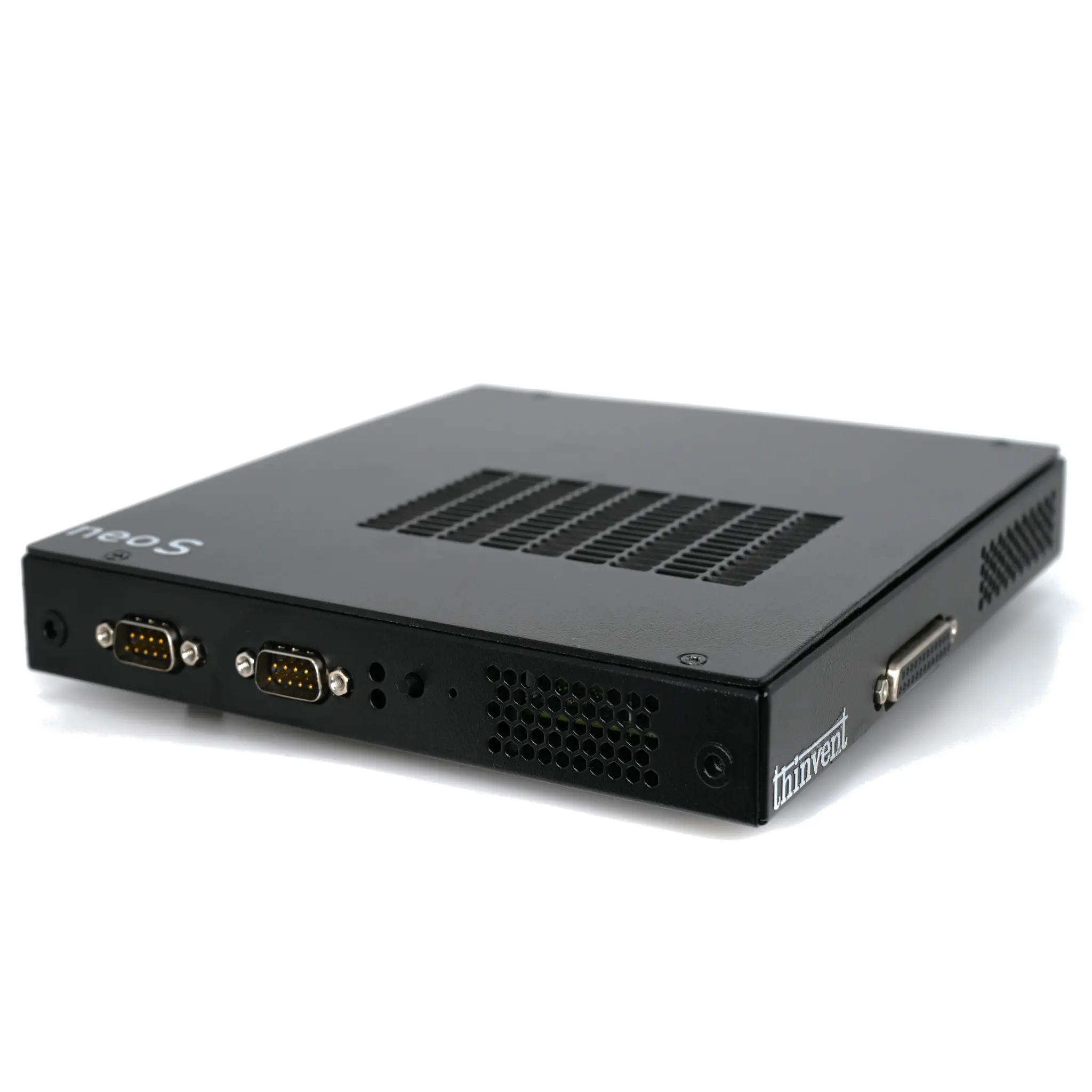
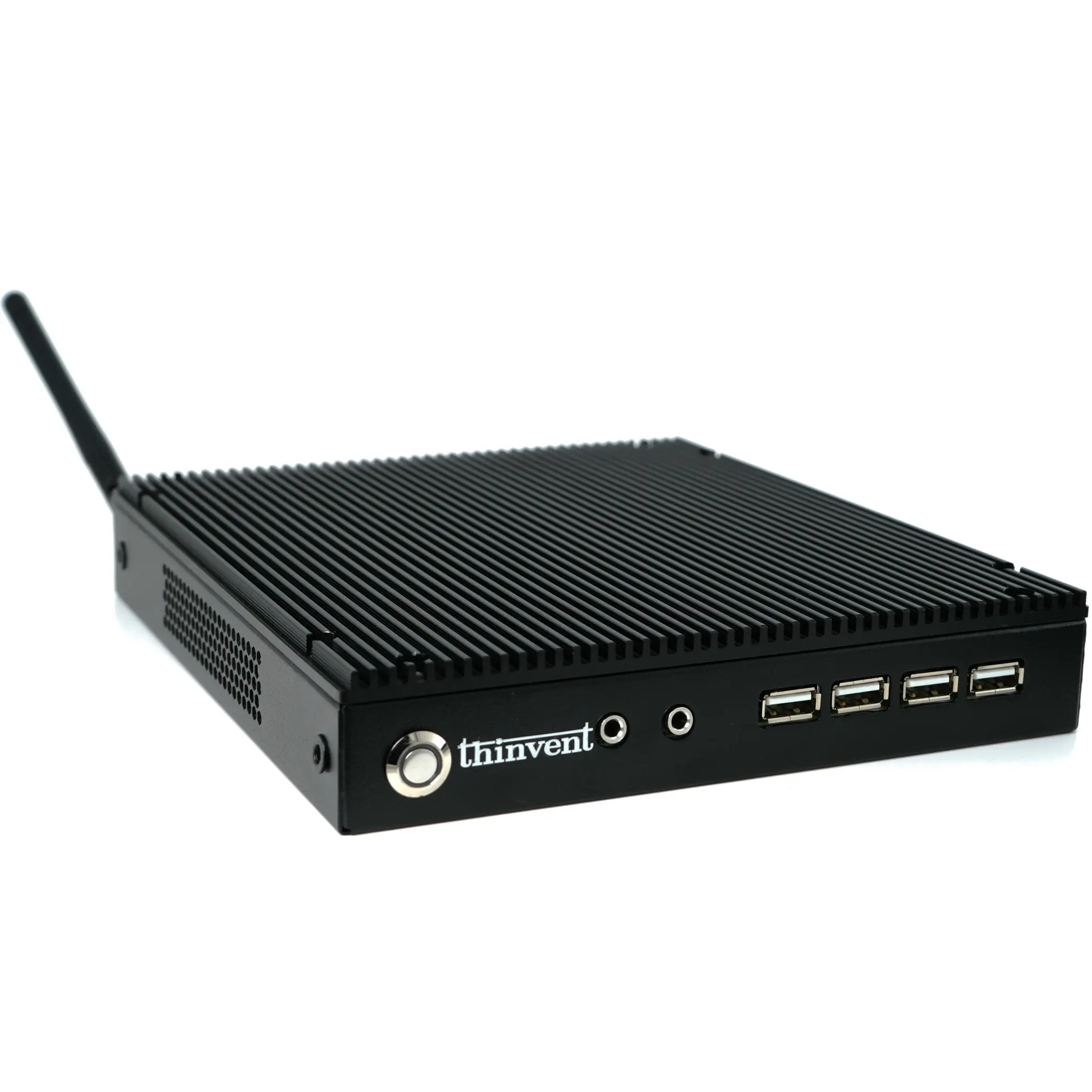
While Thinvent specializes in robust, fanless industrial computers and thin clients, these devices are ideal for serving as the system controllers or host computers in PXI-based setups. Our products provide the reliable computing backbone required to manage PXI chassis and process acquired data. For instance, our high-performance Industrial PC IPC5 with an Intel® Core™ i5 processor and ample RAM is perfectly suited to act as an external controller for a PXIe chassis via a high-speed link (like PCIe over cable), handling complex test sequences and data analysis. Our compact and rugged Treo and Aero Mini PCs can be deployed as dedicated hosts in space-constrained test racks, running the necessary control software with high reliability. Thinvent's commitment to durable, industrial-grade computing ensures seamless integration and long-term stability in demanding PXI test and measurement environments.