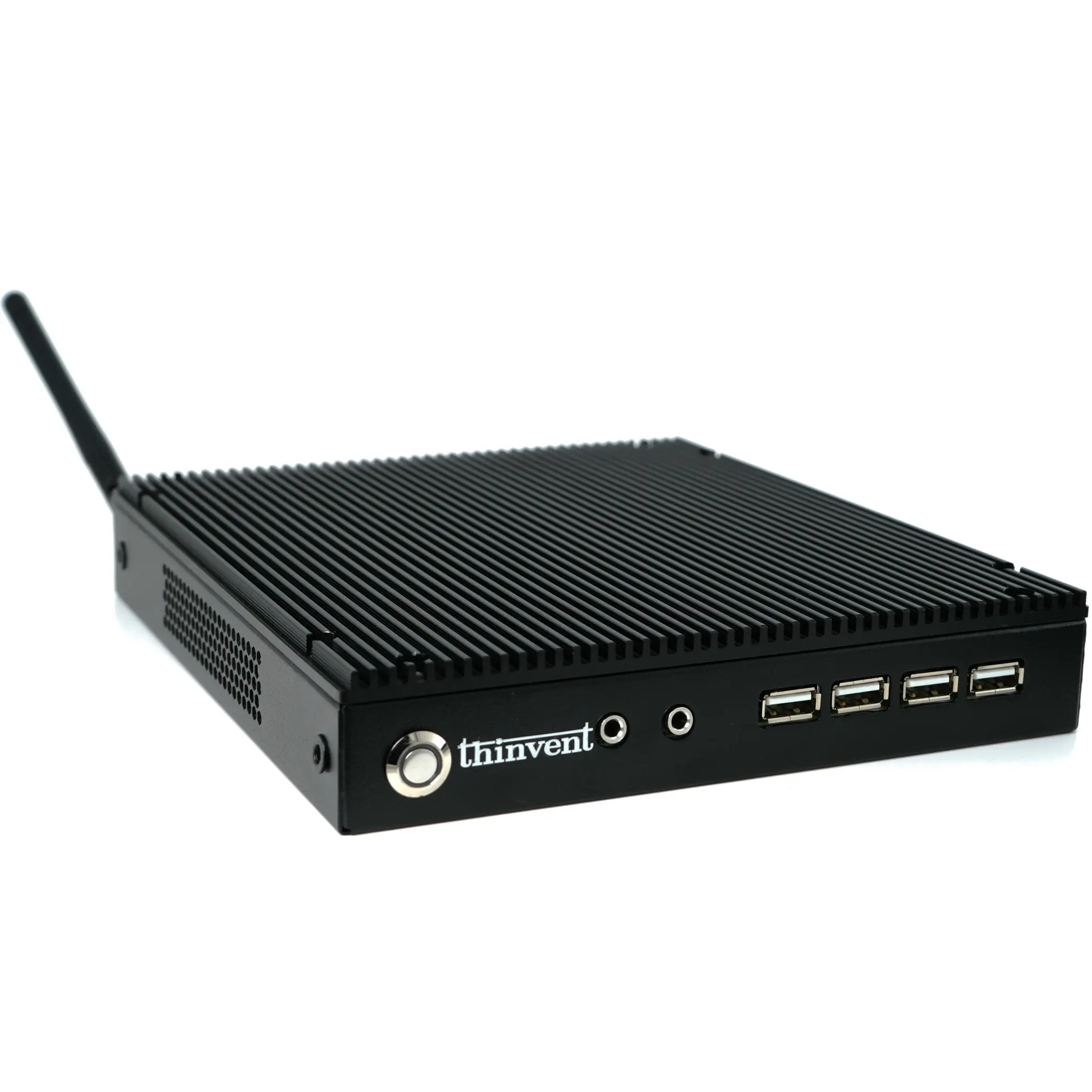
Understanding Server Systems for Industrial Computing
A server system in the context of industrial computing refers to a robust, reliable computing platform designed to manage, process, and distribute data and applications in demanding environments. Unlike consumer-grade hardware, these systems prioritize stability, longevity, and connectivity to serve critical business functions. They can range from compact, low-power devices for edge computing and virtualization to high-performance workstations for data processing and control systems. The core function is to provide uninterrupted service, often supporting multiple users or processes simultaneously.
Key specifications that define a server system's capability include its processor architecture, core count, memory, storage, and operating system. Processor choice is critical, with options spanning efficient ARM-based systems for lightweight tasks to powerful Intel Core and Xeon processors for intensive workloads. Memory (RAM) directly impacts multitasking and application performance, while storage type and capacity determine data access speed and volume. The operating system, whether a lightweight embedded Linux like Thinux™, Ubuntu, or Windows IoT/Pro, dictates software compatibility and management features.
These systems are deployed in diverse industrial and commercial use cases. Common applications include:
-
Digital Signage & Kiosks: Driving multiple displays with reliable, always-on operation.
-
Edge Computing & IoT Gateways: Collecting and pre-processing data from sensors and machines at the network edge.
-
Thin Client & VDI Hosting: Centralizing applications and desktops for secure, manageable user access.
-
Industrial Automation: Acting as a controller or HMI (Human-Machine Interface) in manufacturing lines.
-
Network Appliances: Serving as firewalls, routers, or small business servers.
The following table compares typical server system tiers based on the sample products:
| Tier | Typical Processor | RAM | Storage | Ideal Use Case |
|---|---|---|---|---|
| Entry / Edge | ARM Cortex A55, Intel N100 | 2GB - 4GB | 16GB - 128GB eMMC/SSD | Thin clients, basic kiosks, IoT gateways |
| Mid-Range | Intel Core i3/i5 (U-Series) | 8GB - 16GB | 256GB - 512GB SSD | Digital signage, light virtualization, industrial HMIs |
| Performance | Intel Core i5/i7 (P-Series) | 16GB+ | 512GB+ SSD | Data processing, multi-application servers, control systems |
Selecting the right server system involves matching these technical specifications with the environmental demands (like temperature ranges and shock resistance) and the required software ecosystem for the intended application.
Thinvent's Range of Industrial Server Systems
Thinvent offers a comprehensive portfolio of industrial server systems engineered for reliability across global deployments. Our product lines are segmented to address specific performance and form-factor needs. The Micro Series, featuring ARM-based processors, provides ultra-low-power, fanless operation perfect for space-constrained edge computing and lightweight server applications like terminal services. The Treo and Aero Mini PC lines utilize efficient Intel processors, balancing compact size with capable performance for roles such as network servers, application hosts, and digital signage controllers in office or retail settings.
For the most demanding industrial environments, the Industrial PC (IPC) series delivers enhanced durability and processing power. Models like the IPC5 with an Intel Core i5-1250P processor offer high core counts and substantial memory, making them suitable for complex automation, machine vision, and localized data server duties. Across all lines, Thinvent systems support a choice of operating systems, including Thinux™, Ubuntu Linux, and Windows IoT/Pro, ensuring flexibility for any software stack. Our focus on robust construction, stable performance, and global support makes Thinvent server systems a trusted foundation for critical industrial computing infrastructure worldwide.