What Is the Sixth Generation of Computers?
The sixth generation of computers is the most recent computing era in the classification commonly used by educators. It is generally dated from the 2000s onward. The sixth generation is defined by artificial intelligence (AI), quantum computing, parallel processing and real-time processing. Some sources also count nanotechnology as part of this generation.
Generations of Computers at a Glance
| Generation | Core technology | Period |
|---|---|---|
| First | Vacuum tubes | 1940 to 1956 |
| Second | Transistors | 1956 to 1963 |
| Third | Integrated circuits (IC) | Mid to late 1960s onward |
| Fourth | Microprocessor (CPU) | Introduced desktop and laptop computers |
| Fifth | Artificial intelligence | Ongoing |
| Sixth | AI, quantum computing, parallel processing | From the 2000s |
Each generation brought smaller size, higher speed and lower cost. Vacuum tubes filled entire rooms. Transistors reduced size and power use. Integrated circuits and microprocessors allowed computers to fit on a desk.
Key Features of Sixth-Generation Computing
Sixth-generation systems combine several capabilities. Artificial intelligence lets systems learn from data and support decisions. Quantum computing is still in development and is not yet widely used. Parallel processing runs many tasks at the same time across multiple cores. Real-time processing returns results without delay, which suits control and monitoring tasks.
Where the Sixth Generation Is Used
Sixth-generation technology supports AI applications, data analysis, factory automation and real-time monitoring. Parallel and real-time processing are central to these uses.
Thinvent Products Featuring Parallel Processing
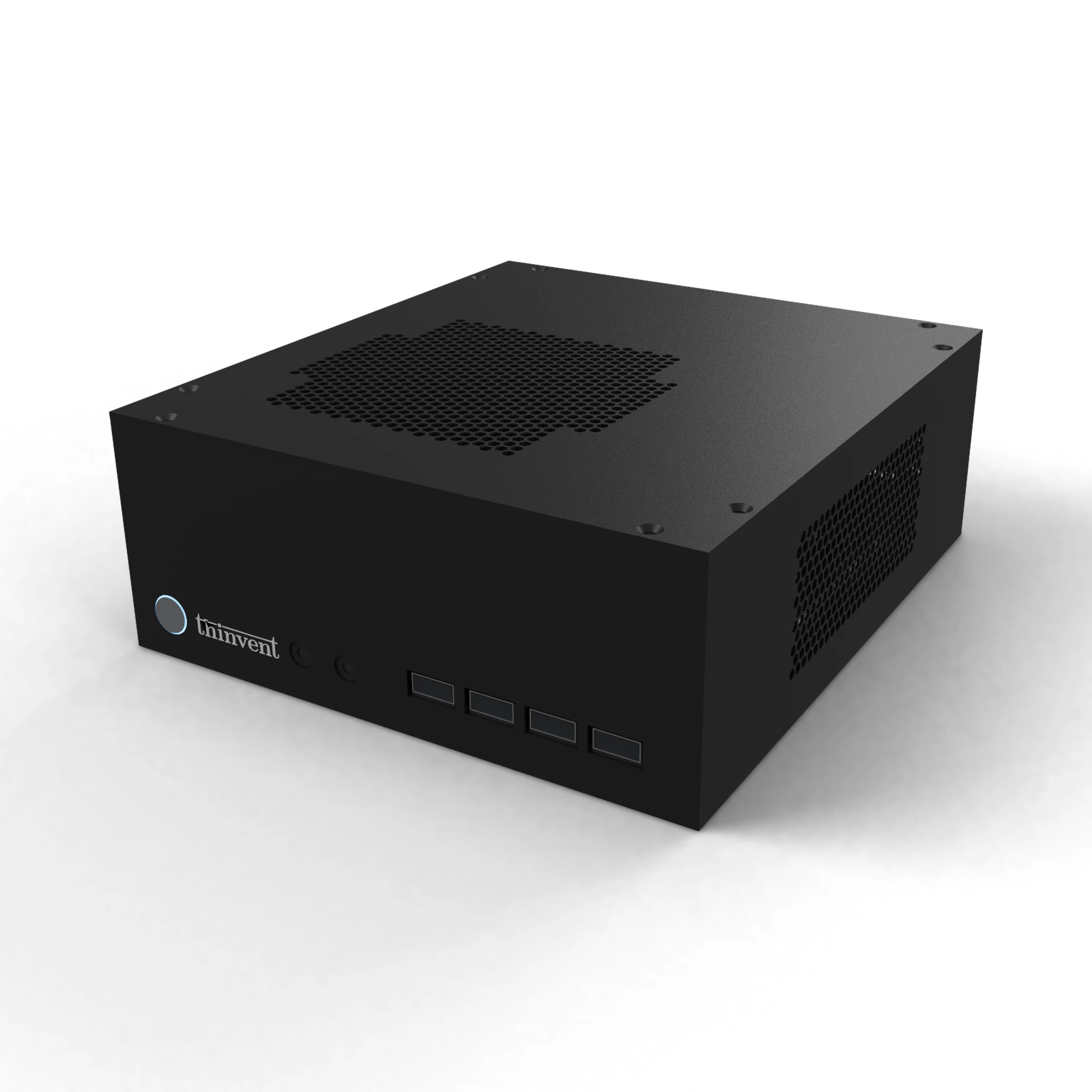
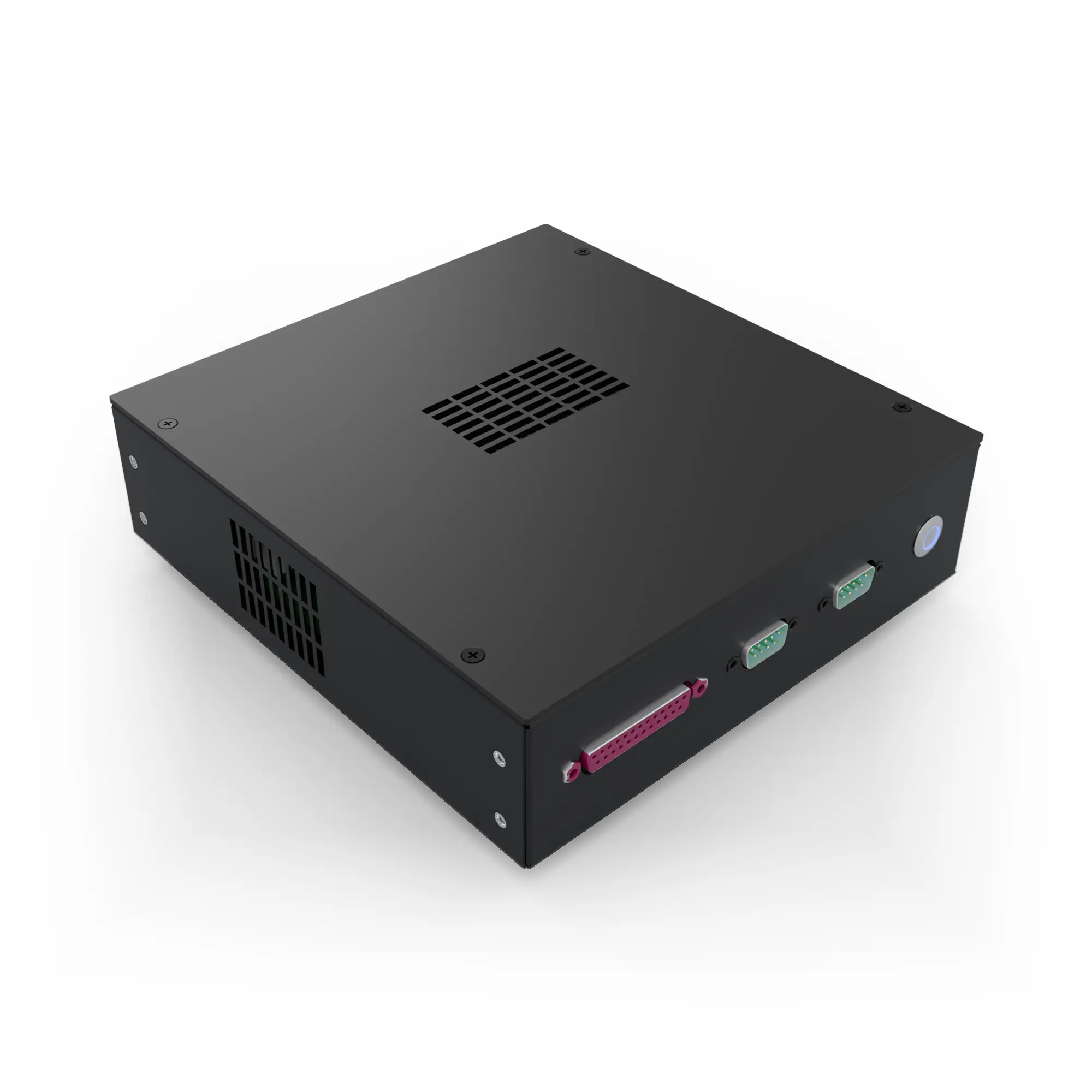
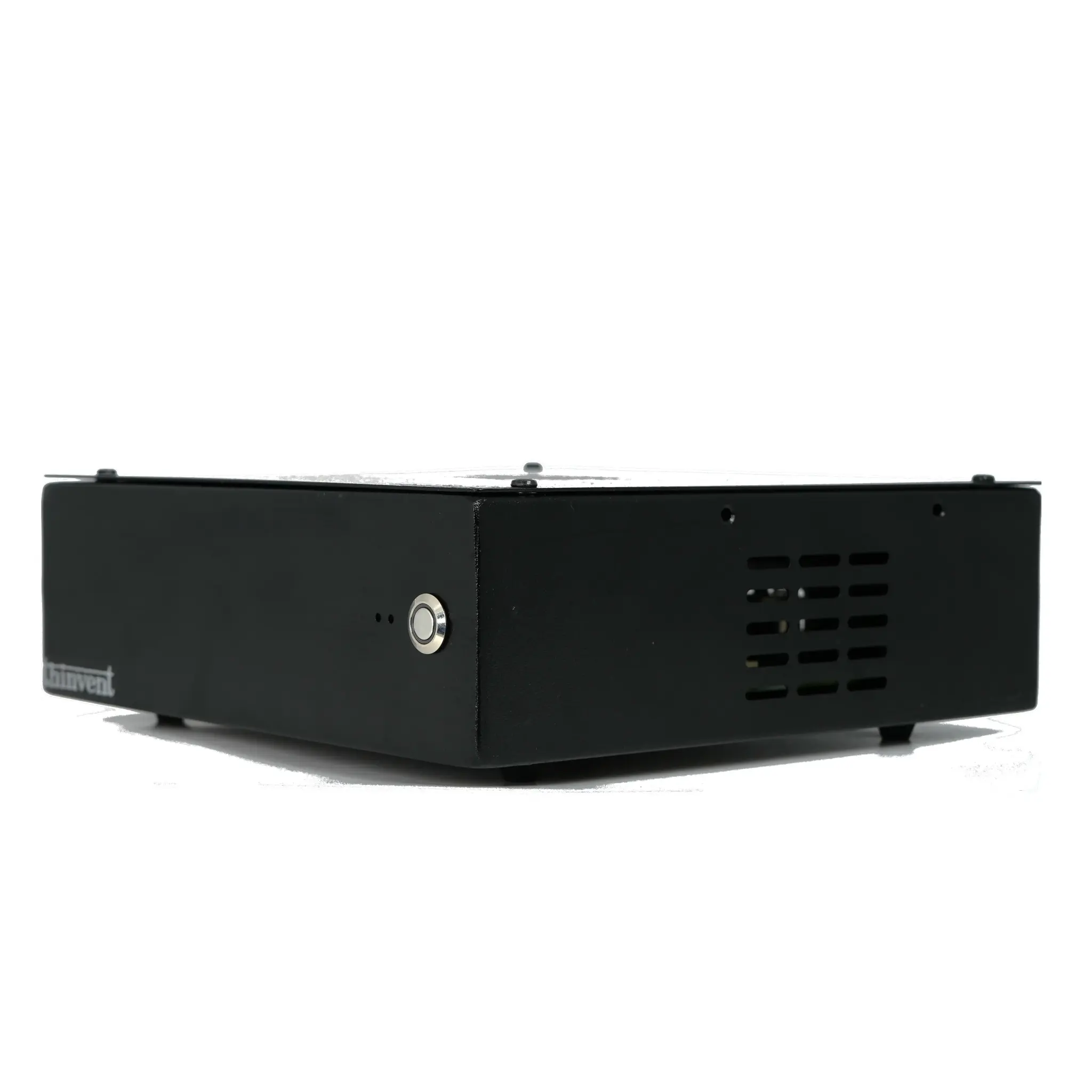
Thinvent Neo S thin clients use the Intel Celeron J1900 processor, which is a 7th-generation Intel processor. The processor has 4 cores, runs up to 2.4 GHz and has a 2 MB cache. Each Neo S unit includes 4 GB DDR3 RAM and a 128 GB SSD. The 4-core design runs several tasks in parallel. The Thinvent range does not include quantum computing or AI accelerator hardware. The Neo S models are available with Windows 11 IoT, Windows 11 Pro, DOS, Thinux Embedded Linux or Ubuntu Linux. Keyboard and mouse sets are available for each configuration.