What Does "AMD Ryzen 5 Hexa Core" Mean for Industrial Computing?
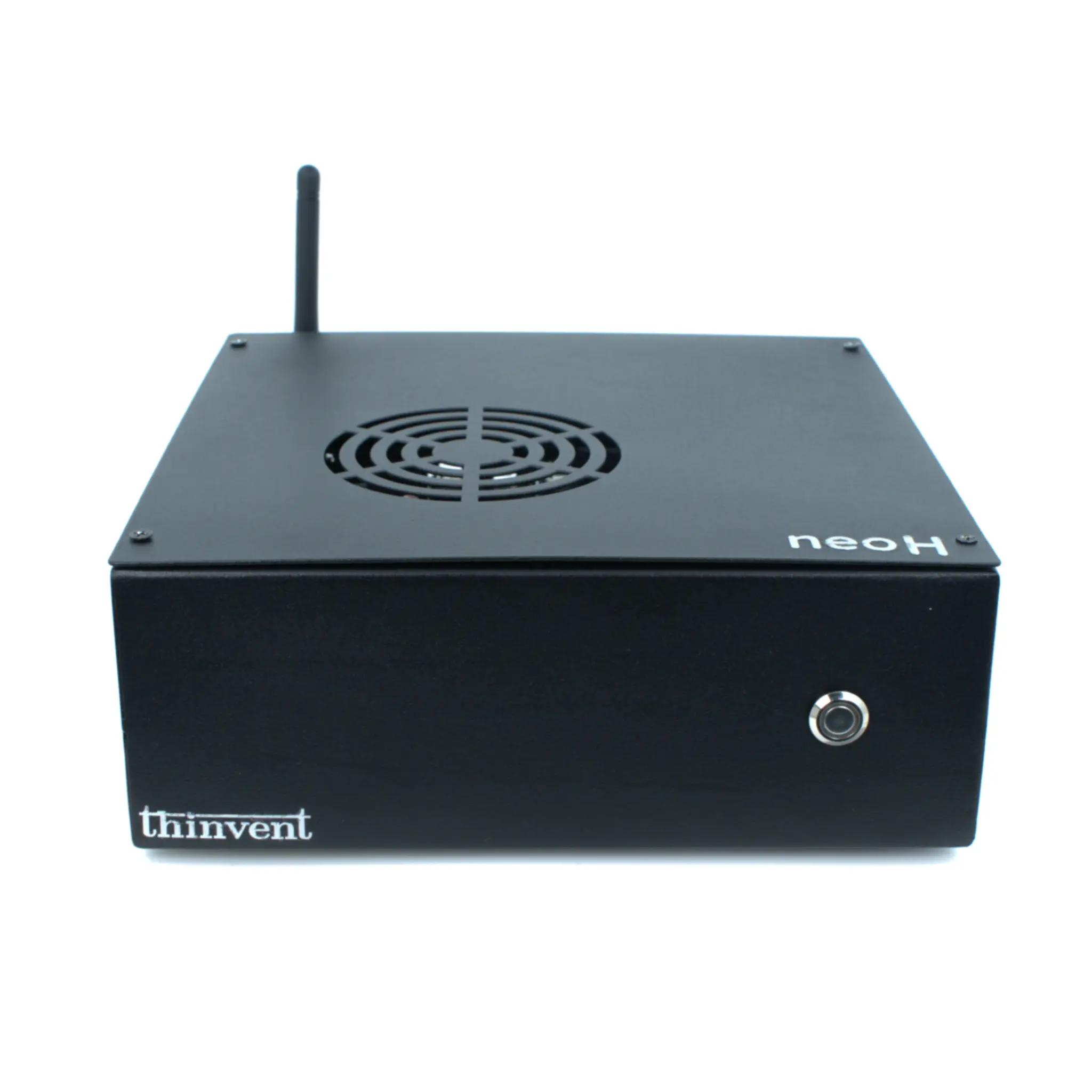
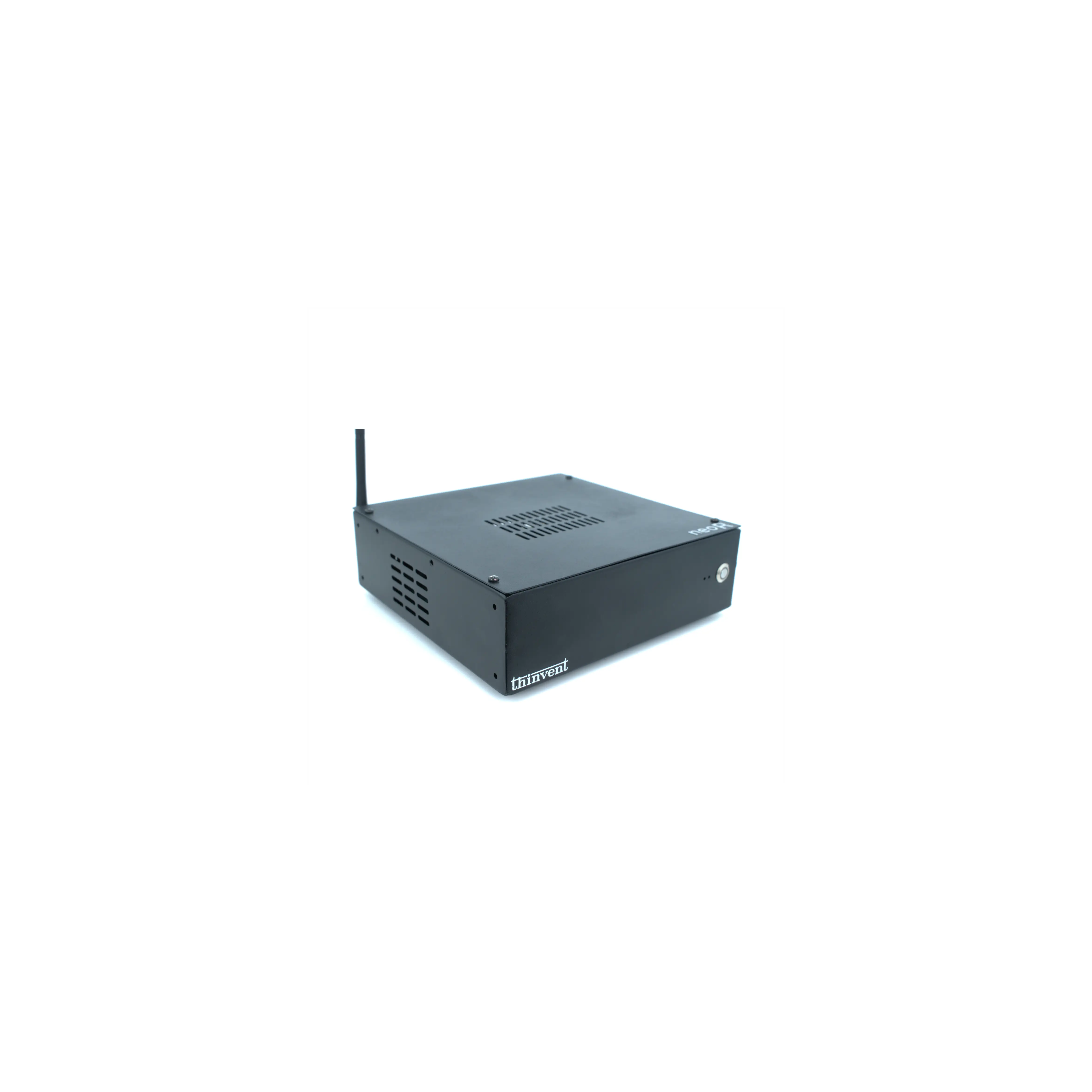
An AMD Ryzen™ 5 hexa core processor is a six-core CPU from AMD's Ryzen 5 family, built on modern Zen microarchitecture. In industrial settings, this class of processor is valued for balancing performance, power draw and cost. The hexa core layout lets a single system run several workloads at once — a SCADA dashboard, a database, a vision application and network services — without the latency spikes that appear when a dual- or quad-core chip is oversubscribed. The Thinvent Treo Mini PC, for example, pairs an AMD Ryzen™ 5 7430U (6 cores, up to 4.3 GHz, 16 MB cache) with 16 GB DDR4 RAM.
The mention of "16 core" in many industrial PC searches usually refers to a different requirement than the CPU core count alone. Buyers often mean 16 GB of memory, a 16-thread processor, or a system sized for 16 concurrent workloads. It is worth clarifying which one matters for your deployment: a 6-core/12-thread CPU with 16 GB RAM handles most industrial automation, kiosk and edge workloads comfortably, while genuine 16-core processors belong to workstation and server-class platforms with very different thermal and power envelopes.
Key Specifications to Evaluate
| Specification | Typical Value | Why It Matters in Industry |
|---|---|---|
| CPU cores / threads | 6 cores / 12 threads | Runs multiple HMI, SCADA or vision tasks concurrently |
| Max frequency | Up to 4.3 GHz | Fast response for interactive and time-sensitive tasks |
| Cache | 16 MB L3 | Reduces memory stalls in data-heavy applications |
| Memory | 16 GB DDR4 | Headroom for VMs, databases and browser-based HMI |
| Storage | 1 TB SSD | Local logging, image capture and OS durability |
| Power input | 19 V DC adapter | Simple integration with industrial DC supplies |
| OS options | Windows 11 Pro, Windows 11 IoT, Linux, DOS | Matches plant IT standards and licensing policy |
Use Cases and Applications
Hexa core industrial PCs are commonly deployed where a fanless or compact chassis must still deliver desktop-class responsiveness. Typical applications include factory-floor HMI and SCADA terminals, machine vision pre-processing, edge gateways aggregating PLC and sensor data, digital signage and kiosk controllers, laboratory instrument front-ends, and thin-client or VDI endpoints in control rooms. Because these systems often run 24x7, storage endurance, thermal design and long-term component availability matter as much as raw clock speed.
Choosing Between 6-Core and Higher-Core Systems
A 6-core processor is usually the sweet spot when workloads are mixed but not heavily parallel. If your application is a single HMI screen with a database behind it, 6 cores and 16 GB RAM are ample. If you are running multiple virtual machines, real-time analytics on high-frame-rate camera feeds, or simulation workloads, step up to 8-, 12- or 16-core platforms and match them with 32 GB or 64 GB of memory. The right answer depends on concurrency, not on the biggest number available.
Thinvent's AMD Ryzen 5 Hexa Core Industrial Solutions
Thinvent builds compact industrial and mini PC systems around the AMD Ryzen™ 5 7430U hexa core processor, configured with 16 GB DDR4 RAM and 1 TB SSD storage. These systems are offered with a choice of operating environments — Microsoft Windows 11 Pro, Windows 11 IoT Value, embedded Linux or DOS — so they can be standardised against your existing plant software stack. With a 19 V DC input, no fan-dependent cooling path in the compute enclosure, and options for keyboard and mouse bundles, they are suited to control rooms, kiosks, edge cabinets and laboratory benches. For deployments that need more memory or storage, Thinvent can configure higher RAM and SSD capacities to match the application.