What Is an Arm Based Linux PC?
An Arm based Linux PC is a computer that uses an Arm processor architecture and runs the Linux operating system. Linux supports Arm processors through a port of the Linux kernel, and the kernel community maintains support for many Arm processors and platforms. Arm chips are common in low-power embedded systems, while Intel and AMD x86 processors are common in desktop and mini PCs.
Key Specifications to Check
When you choose a Linux PC, check the processor architecture first. Arm and x86 systems run different binary software, so confirm that your applications are built for your processor. For basic desktop use, a dual-core processor running at 1 GHz or faster is generally sufficient. For multitasking, more cores and more memory help. Check the operating system support for the exact hardware, because Arm systems have a wider range of board-specific configurations than standard PCs.
Arm and x86 Comparison
| Feature | Arm based Linux | x86 based Linux (Intel) |
|---|---|---|
| Architecture | Arm | x86-64 |
| Typical use | Embedded and low-power systems | Desktop and mini PCs |
| Software compatibility | Arm-built packages | Standard x86-64 packages |
| Board configuration | Varies by platform | Standardised PC hardware |
Use Cases
Linux PCs suit kiosks, digital signage, office work, web browsing, development, and industrial control. Low power draw and small size make mini PCs practical for fixed installations.
Thinvent Mini PCs Running Linux
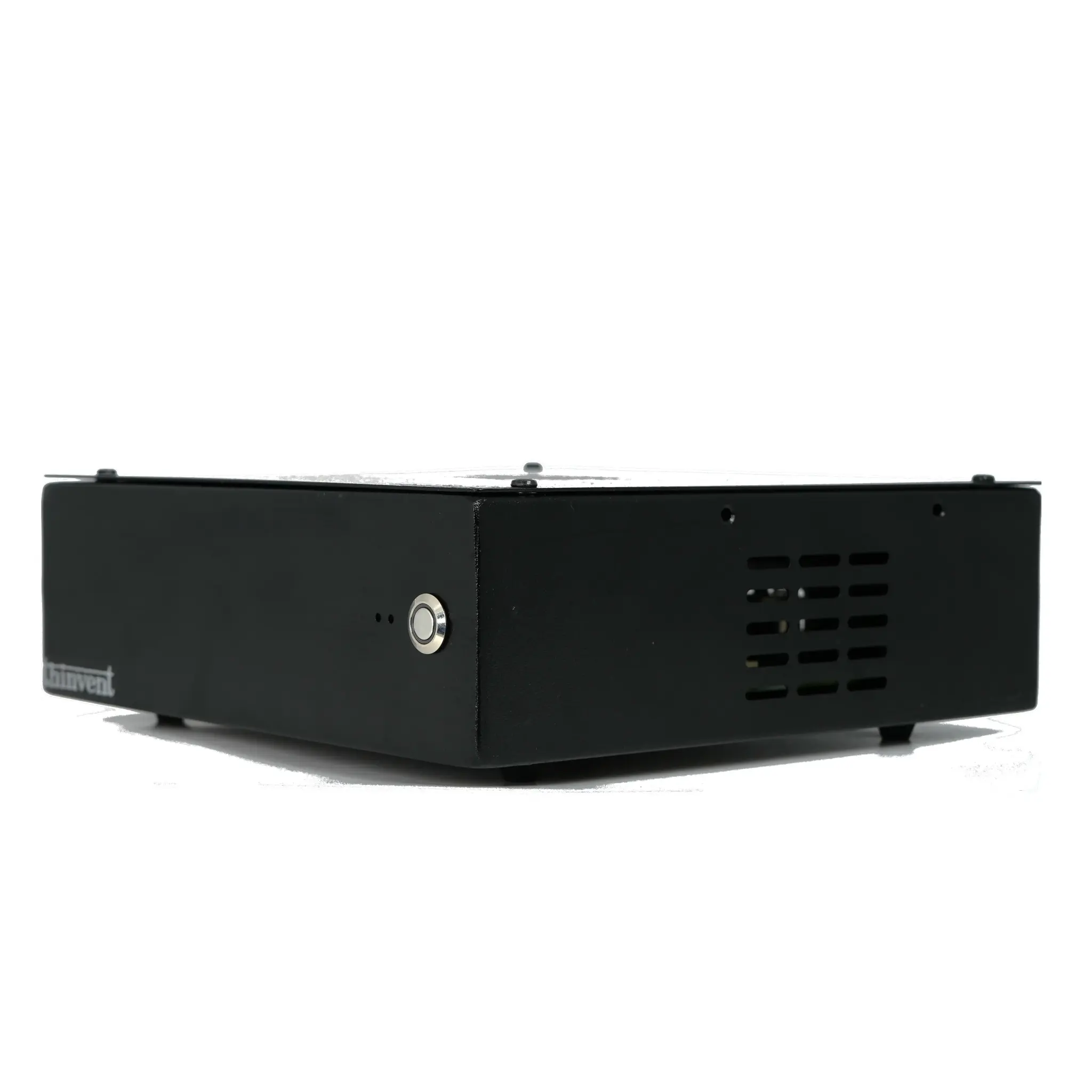
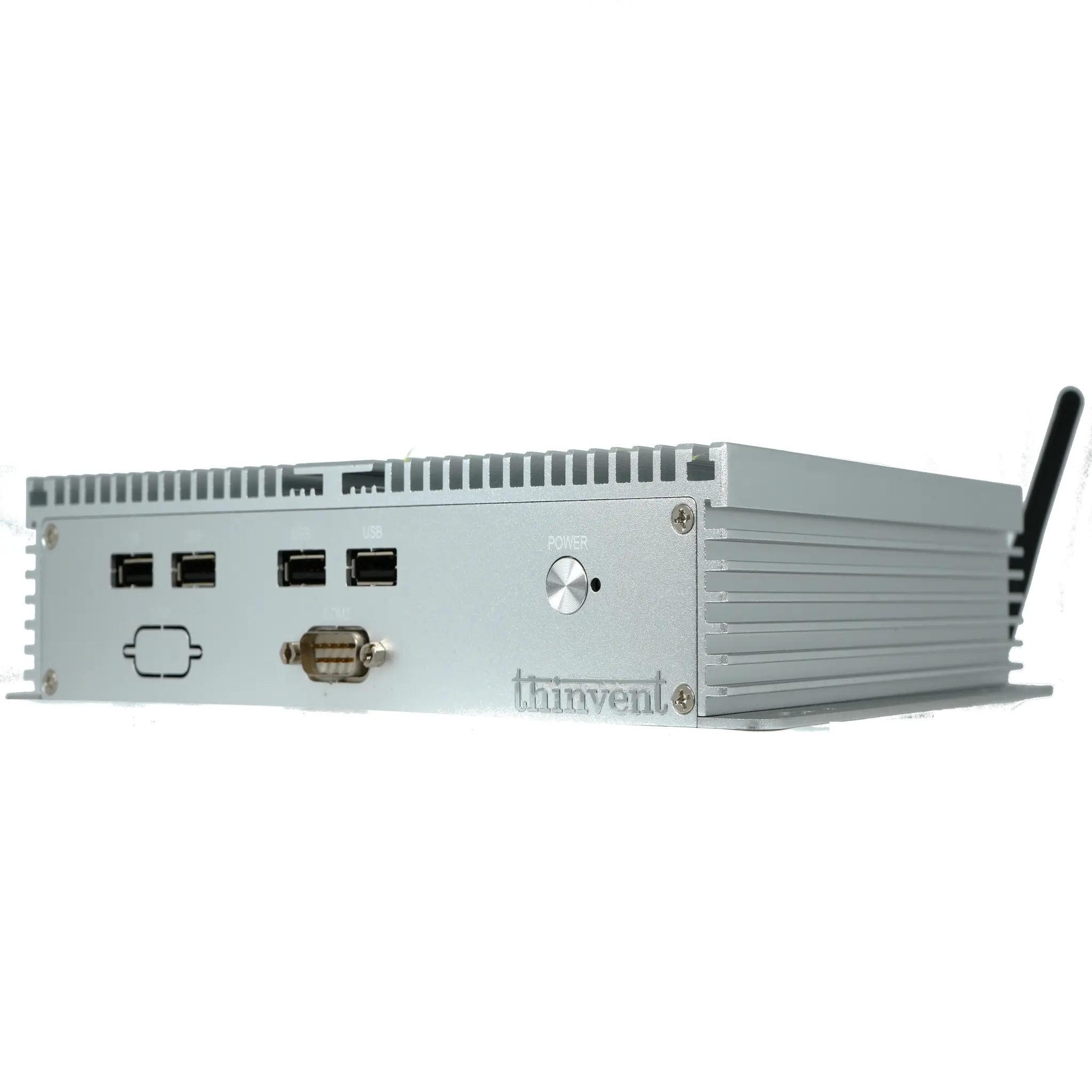
The Thinvent range does not include an Arm processor. Thinvent has the Thinvent® Aero Mini PC with an Intel® N5095A processor (4 cores, up to 2.9 GHz, 4 MB cache), 16GB DDR4 RAM, 128GB SSD and Ubuntu Linux pre-installed. Models are available with or without WiFi, with Dual Band WiFi as an option, and with 5A, 7A or 10A power adapters. A keyboard and mouse set can be added to any configuration.