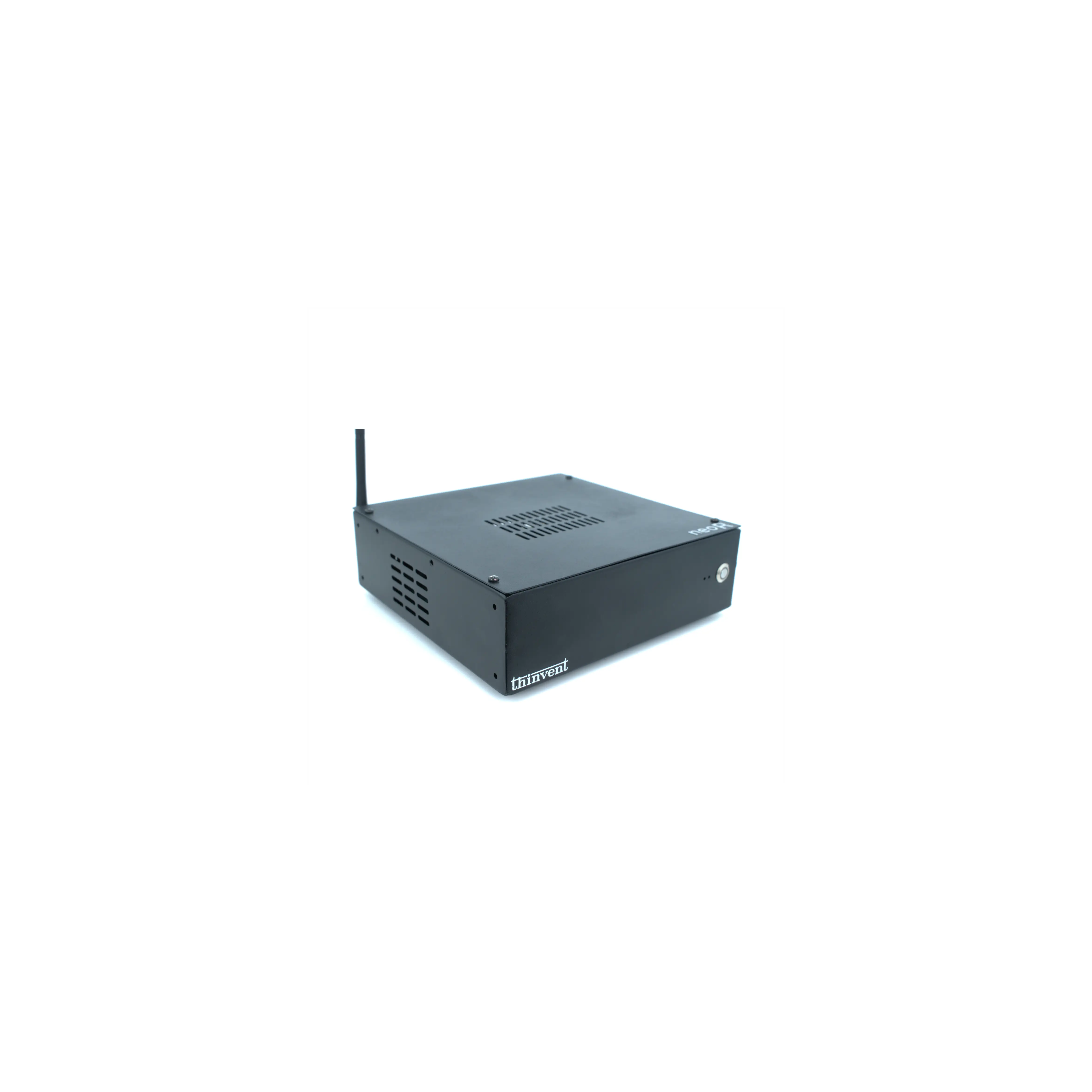
An ARM processor for a PC refers to a computer system that utilizes a CPU based on the ARM (Advanced RISC Machine) architecture, as opposed to the more common x86 architecture from Intel and AMD. These systems are known for their exceptional power efficiency, low heat generation, and compact form factors, making them ideal for always-on, embedded, and edge computing applications. Unlike traditional desktop PCs, ARM-based PCs often run specialized or lightweight operating systems like various Linux distributions or Windows on ARM, which are optimized for the RISC (Reduced Instruction Set Computer) design.
Key Specifications and Technical Details
ARM processors are characterized by their System-on-a-Chip (SoC) design, integrating the CPU, GPU, memory controller, and I/O onto a single chip. This leads to fanless, silent operation—a critical feature for industrial environments. Key technical advantages include:
-
Power Efficiency: Extremely low Thermal Design Power (TDP), often under 10W, enabling passive cooling and reduced energy costs.
-
Integrated Graphics: Most ARM SoCs include capable onboard graphics for dual-display support and multimedia playback.
-
Connectivity: Native support for modern I/O like USB 3.2, PCIe, and multiple Gigabit Ethernet ports is common.
-
Memory and Storage: Typically support LPDDR4/LPDDR5 RAM and high-speed NVMe or eMMC storage.
Ideal Use Cases and Applications
The unique benefits of ARM architecture make these PCs perfect for specific deployment scenarios:
-
Digital Signage & Kiosks: Reliable, fanless operation for 24/7 display in retail, hospitality, and public spaces.
-
Thin Clients & VDI: Secure, low-power endpoints for accessing virtualized desktop environments.
-
IoT Gateways & Edge Computing: Processing data locally at the network edge in manufacturing, smart cities, and logistics.
-
Embedded Systems: Integration into medical devices, transportation systems, and industrial automation where size, heat, and reliability are paramount.
Comparison: ARM vs. x86 for Industrial PCs
| Feature | ARM-Based PCs | Traditional x86 PCs |
|---|---|---|
| Architecture | RISC (Reduced Instruction Set) | CISC (Complex Instruction Set) |
| Power & Heat | Very Low (Fanless Design) | Moderate to High (Often Requires Active Cooling) |
| Performance Profile | Excellent Efficiency & Per-Watt Performance | High Raw Compute for Demanding Applications |
| Software Ecosystem | Linux, Android, Windows on ARM | Broadest compatibility (Full Windows, Linux) |
| Typical Use Case | Embedded, Edge, Always-On Applications | General-Purpose Computing, High-Performance Workstations |
Thinvent ARM-Based Industrial Solutions
Thinvent offers a range of robust industrial computing solutions built around efficient ARM architecture. Our ARM-based systems are engineered for reliability in demanding environments, featuring fanless metal chassis, wide operating temperature ranges, and rich I/O connectivity for seamless integration. These PCs are ideal for customers seeking durable, low-maintenance, and energy-efficient computing for embedded and edge applications. Explore our catalog to find the perfect ARM-powered platform for your project.