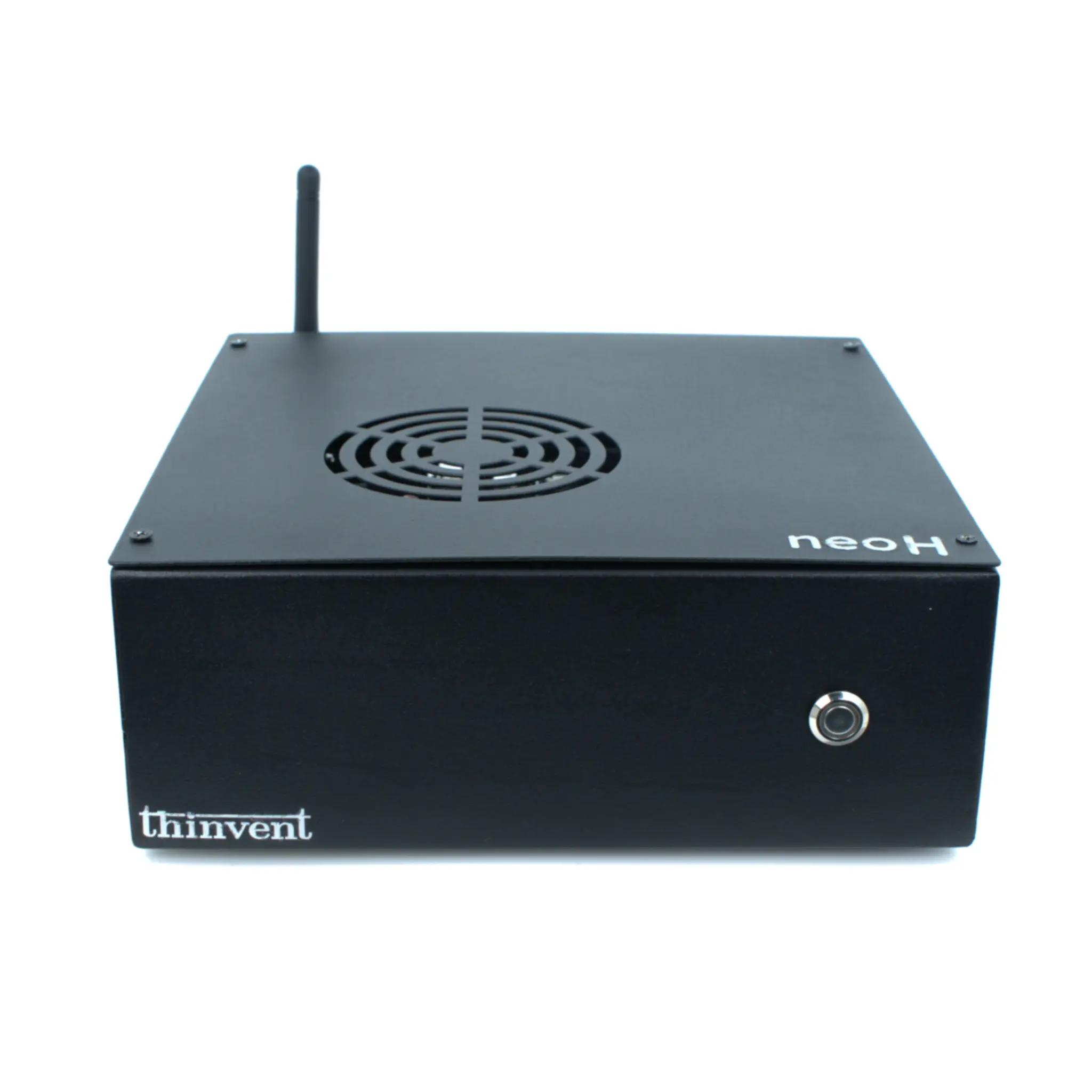
For developers, hobbyists, and businesses seeking a robust alternative to the Raspberry Pi, modern industrial mini PCs offer significant advantages in performance, reliability, and connectivity. While Raspberry Pi excels as a low-cost, community-driven development board, its limitations in processing power, I/O options, and commercial-grade durability become apparent in demanding or production environments. The best alternatives provide x86 or ARM-based architectures with superior CPU performance, greater memory and storage expandability, and industrial certifications for 24/7 operation.
Key specifications to consider in an alternative include the processor architecture, thermal design, and expansion capabilities. For tasks similar to a Raspberry Pi, such as running a media server, IoT gateway, or digital signage player, an Intel N-series processor (like the N100) offers excellent performance-per-watt in a fanless design. For more intensive workloads like edge computing, light CAD, or multiple VM hosting, Intel Core i3/i5 processors from the 12th generation or newer provide a substantial leap in multi-core performance and integrated graphics. Alternatives also typically offer standard DDR4/DDR5 SO-DIMM slots for easy RAM upgrades and M.2 slots for NVMe storage, moving beyond the limitations of soldered eMMC or microSD cards.
Common Use Cases for Raspberry Pi Alternatives:
-
Digital Signage & Kiosks: Reliable, fanless operation for public displays.
-
Industrial Automation: Rugged designs with wide voltage input and extended temperature ranges.
-
Thin Clients & VDI: Secure, managed endpoints for virtual desktop infrastructure.
-
Home Labs & Servers: Low-power, always-on servers for networking, media, and development.
-
Edge AI & Computer Vision: Leveraging Intel's integrated GPU or NPU for lightweight inference tasks.
| Feature | Typical Raspberry Pi | Industrial Mini PC Alternative |
|---|---|---|
| Processor | ARM-based SoC | Intel/ARM, higher performance cores |
| Cooling | Passive (can throttle) | Engineered passive or active |
| RAM | Soldered, LPDDR | User-upgradable SO-DIMM slots |
| Storage | microSD / eMMC | M.2 NVMe / SATA SSD |
| I/O & Expansion | GPIO, limited PCIe | Multiple USB, COM, LAN, optional expansion slots |
| OS Support | Linux-based | Windows, Linux, ThinOS, FreeDOS |
| Durability | Consumer-grade | Industrial-grade, often fanless & ruggedized |
Thinvent's Range of Industrial-Grade Alternatives
Thinvent provides a comprehensive portfolio of compact computing solutions that serve as powerful, reliable alternatives to development boards. Our product lines cater to diverse performance needs. For entry-level and ARM-based projects, the Micro series offers fanless, low-power thin clients perfect for lightweight OS and embedded applications. The Treo and IPC series feature efficient Intel N-series processors, like the N100, delivering a balance of performance and energy efficiency ideal for digital signage and kiosks.
For demanding applications requiring desktop-level power, the Aero and IPC series are equipped with Intel Core i3, i5, and i7 processors from the latest generations. These systems support up to 64GB of RAM and high-speed NVMe storage, making them suitable for edge servers, industrial automation, and advanced thin client setups. All Thinvent products are built for reliability with fanless designs where applicable, wide operating temperature ranges, and global certifications, ensuring they perform consistently in commercial and industrial environments worldwide.