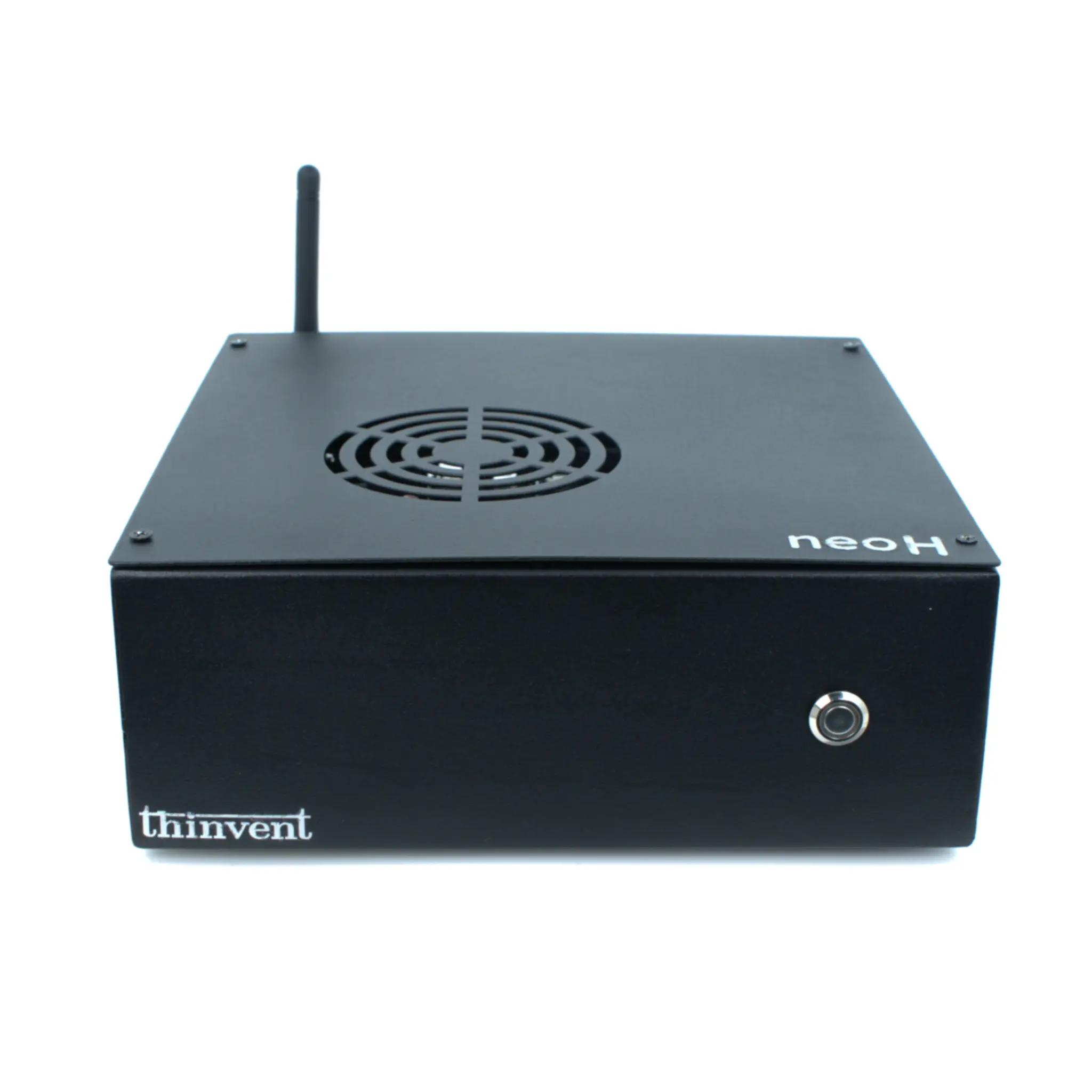
What Are Compact Linux Mini PCs?
Compact Linux Mini PCs are small-form-factor computers designed to run the Linux operating system, offering a powerful, stable, and open-source platform for specialized computing tasks. These devices are engineered for space-constrained environments, providing the full functionality of a desktop PC in a significantly smaller footprint. They are ideal for embedded applications where reliability, low power consumption, and silent operation (often fanless) are critical. Pre-installed with Ubuntu Linux, they offer a secure, customizable, and cost-effective solution for developers and businesses.
Key Specifications and Technical Details
These mini PCs are built around efficient Intel processors, ranging from the entry-level Intel N-series (e.g., N95, N100) for basic tasks to high-performance Intel Core i3, i5, and the latest Core 5 series for demanding workloads. Key specifications across models include:
-
Processors: Intel processors from 12th to 14th Generation, with core counts from 4 to 12 and boost frequencies up to 5.0 GHz.
-
Memory: Configurable DDR4 RAM from 4GB to 64GB to suit application requirements.
-
Storage: SSD storage options from 32GB to 1TB, ensuring fast boot times and responsive performance.
-
Connectivity: Options include models with or without Dual-Band Wi-Fi, alongside standard Ethernet ports.
-
Power: Efficient 12V DC power adapters (5A or 7A) enable low-power operation suitable for 24/7 use.
-
Form Factor: Ultra-compact designs that can be VESA-mounted or placed discreetly.
Ideal Use Cases and Applications
Due to their reliability and compact size, Linux Mini PCs are perfect for embedded and industrial applications. Common use cases include:
-
Digital Signage & Kiosks: Driving displays in retail, hospitality, and public information points.
-
IoT Gateways: Acting as a central hub for collecting and processing data from sensors and devices in smart factories or buildings.
-
Thin Clients & Desktop Virtualization: Providing secure, manageable endpoints for accessing cloud or virtual desktop infrastructures.
-
Edge Computing: Processing data locally with low latency for applications in automation, surveillance, and robotics.
-
Software Development & Testing: Offering a dedicated, stable environment for coding, compiling, and testing Linux-based applications.
Comparison of Common Configurations
| Processor Series | Typical Cores | Max Frequency | Ideal For | Example Model Specs |
|---|---|---|---|---|
| Intel N-Series (N95, N100) | 4 | Up to 3.4 GHz | Basic computing, digital signage, lightweight IoT gateways | 4GB RAM, 128GB SSD, No Wi-Fi |
| Intel Core i3 (1315U) | 6 | Up to 4.5 GHz | Office productivity, multi-tab browsing, entry-level development | 4GB RAM, 256GB SSD |
| Intel Core i5 / Core 5 (1335U, 120U, 1240P) | 10-12 | Up to 5.0 GHz | Advanced multitasking, edge computing, media servers, software development | 16GB-64GB RAM, 128GB-1TB SSD, Dual-Band Wi-Fi |
Thinvent's Range of Compact Linux Mini PCs
Thinvent offers a comprehensive portfolio of compact Linux Mini PCs under its Treo and Aero series, catering to a wide spectrum of embedded and industrial needs. Our systems come pre-installed with Ubuntu Linux, ensuring an out-of-the-box ready experience. From the ultra-efficient, fanless designs powered by Intel N-series processors for basic embedded tasks to the high-performance models featuring 13th and 14th Gen Intel Core i5 and Core 5 processors for demanding edge computing, Thinvent provides scalable solutions. We offer extensive customization in RAM, storage, and connectivity (including Wi-Fi options), allowing you to select the perfect configuration for your specific application, all backed by robust build quality designed for reliable, long-term deployment.