Understanding PC Processors for Industrial Applications
A PC processor, or Central Processing Unit (CPU), is the primary component responsible for executing instructions and processing data in an industrial computer. When selecting a processor for industrial use, key considerations extend beyond raw speed to include thermal design, power efficiency, long-term reliability, and compatibility with industrial software and hardware. Industrial PCs require processors that can operate reliably in demanding environments with wide temperature ranges, constant operation, and resistance to dust and vibration.
Key Specifications and Technical Details
The performance of an industrial PC is largely defined by its processor's specifications. Critical factors include:
-
Core Count: Determines how many tasks (threads) the CPU can handle simultaneously. Industrial automation and edge computing often benefit from multi-core processors (e.g., 4, 6, or more cores).
-
Clock Speed (Frequency): Measured in GHz, this indicates how many cycles a core can execute per second, affecting the speed of single-threaded tasks.
-
Cache Memory: A small, high-speed memory on the CPU that stores frequently accessed data, reducing latency (e.g., 6MB, 12MB).
-
Thermal Design Power (TDP): Indicates heat generation and power consumption. Lower TDP processors (common in fanless designs) are ideal for silent, maintenance-free operation in enclosed spaces.
-
Generation: Newer processor generations (e.g., 12th, 13th, 14th Gen Intel®) offer improved performance, efficiency, and integrated graphics over older ones.
Use Cases and Application Matching
Choosing the right processor depends on the specific industrial workload:
-
Entry-Level / HMI & Digital Signage: Processors like the Intel® Celeron or Intel® N-series (e.g., N95, N100) are cost-effective for basic Human-Machine Interfaces (HMI), kiosks, and thin clients.
-
Mid-Range / Edge Computing & Automation: Intel® Core™ i3 or i5 processors (e.g., i3-1215U, i5-1335U) provide balanced performance for data acquisition, machine vision, and PLC systems.
-
High-Performance / AI & Advanced Analytics: Intel® Core™ i5/i7 processors with higher core counts (e.g., 10+ cores) and newer architectures are suited for complex data processing, AI inference at the edge, and industrial workstations.
| Application Area | Recommended Processor Series | Key Requirement |
|---|---|---|
| Basic Kiosk / Thin Client | Intel® Celeron, Intel® N-series | Low Power, Fanless |
| Factory Automation & Control | Intel® Core™ i3, i5 | Multi-core, Reliable |
| Edge AI & Machine Vision | Intel® Core™ i5, i7 (12th Gen+) | High Performance, AI Acceleration |
Thinvent Industrial PCs with Advanced Processors
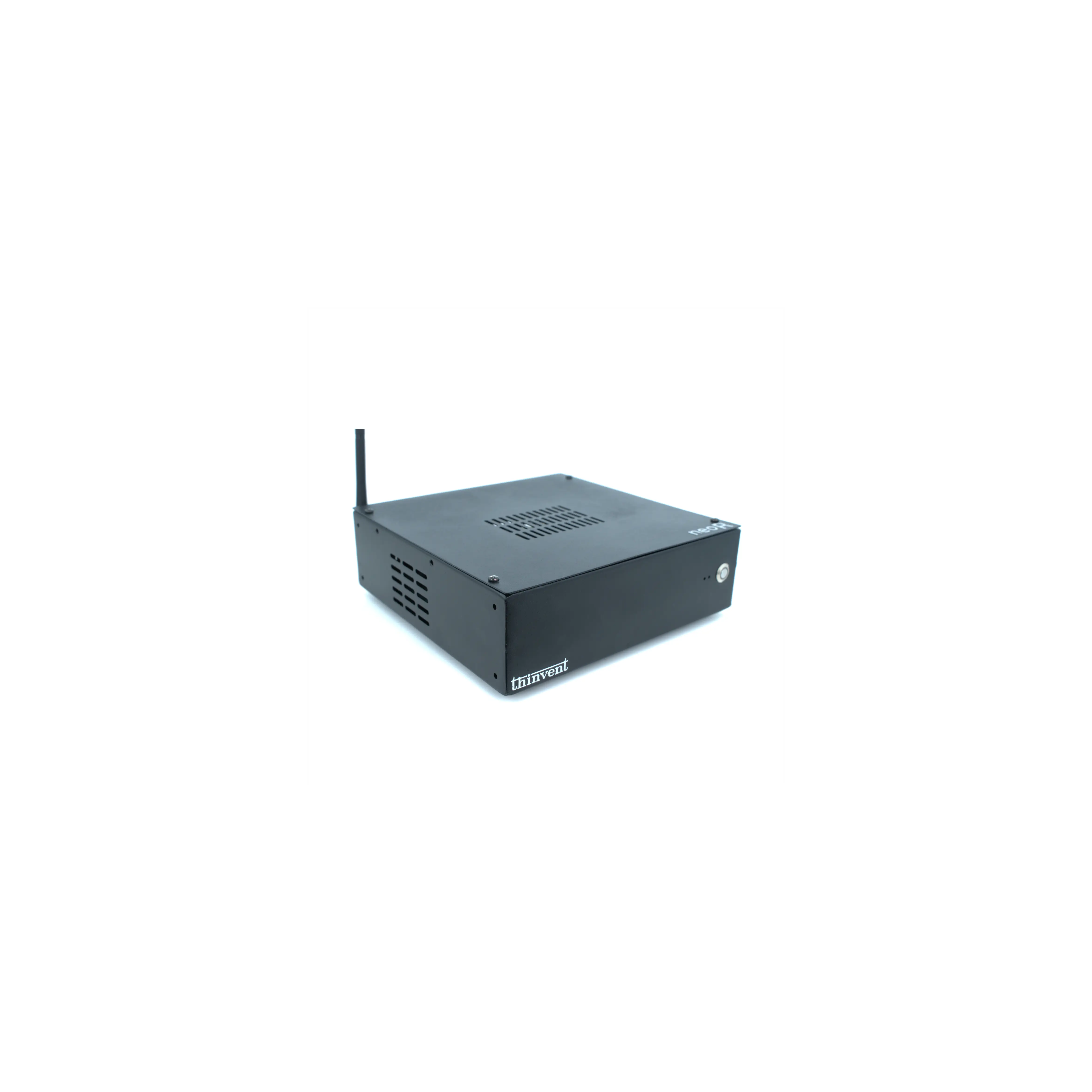
Thinvent integrates a wide range of industrial-grade processors into robust computing solutions. Our product lines, including the Aero Mini PC series, feature the latest Intel® architectures—from efficient N-series chips for fanless, compact designs to powerful Core™ series processors for demanding computational tasks. Every Thinvent industrial computer is engineered for 24/7 operation, with a focus on durability, stable performance in harsh conditions, and long-term component availability. Explore our catalog to find the perfect processor-powered solution for your automation, digital signage, or edge computing project.