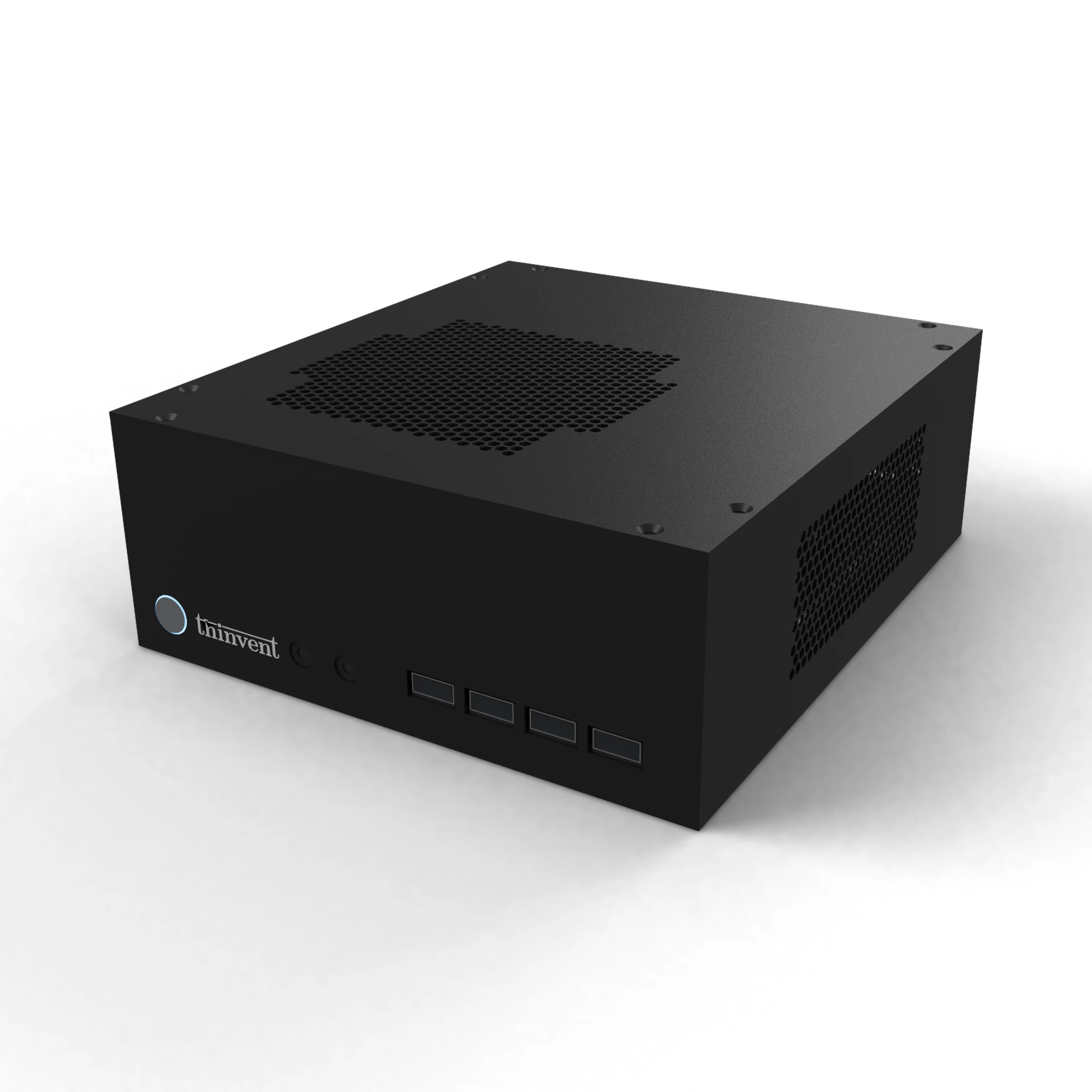
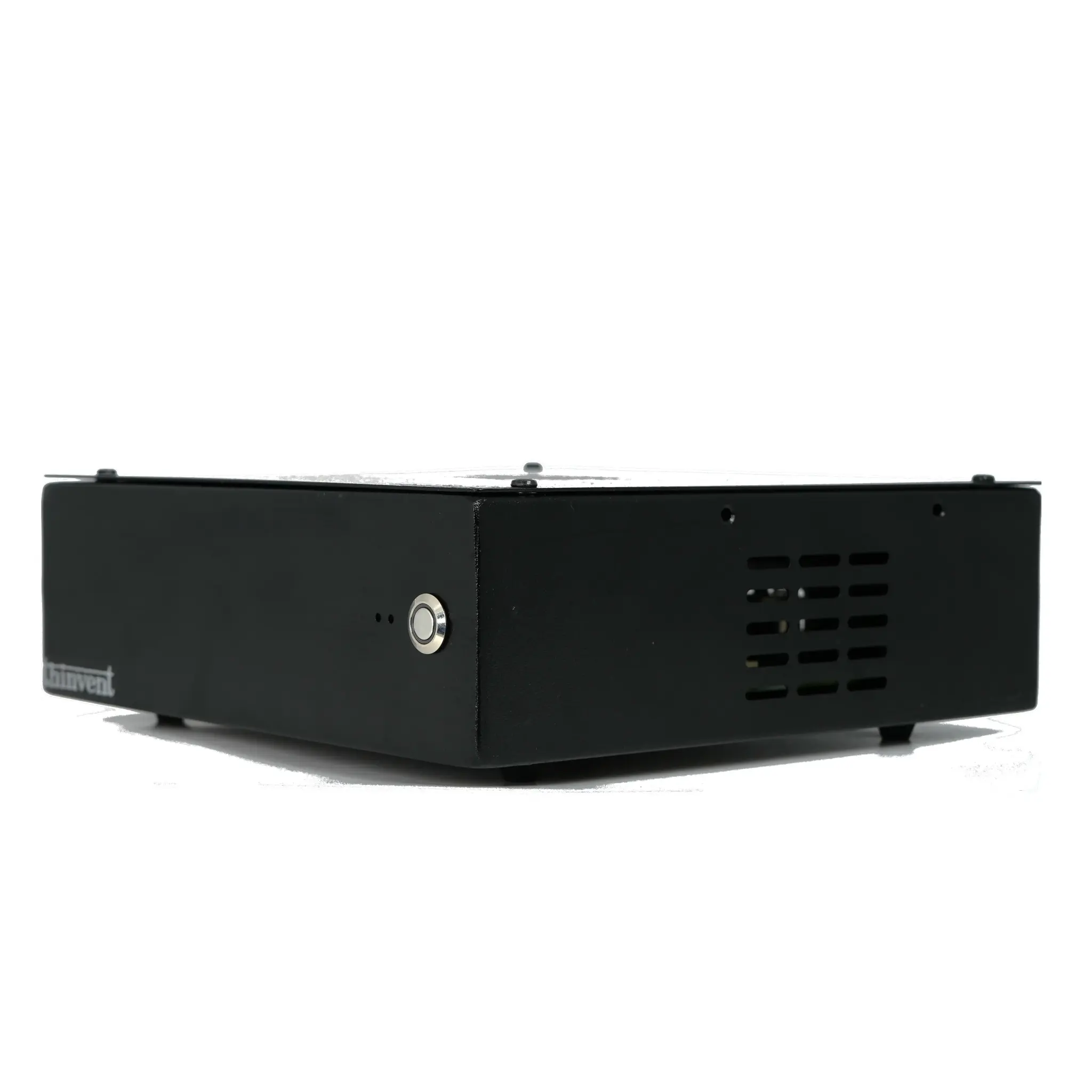
An Intel Celeron J1900 Mini PC is a compact, low-power computing solution built around the Intel Celeron J1900 processor. This quad-core, 2.0 GHz (burst up to 2.42 GHz) SoC (System on a Chip) is based on the Bay Trail microarchitecture and is designed for fanless operation, making it ideal for environments where silence, reliability, and minimal maintenance are critical. These mini PCs typically feature a small form factor, low thermal design power (TDP), and support for essential I/O ports, providing a balance of adequate performance for basic computing tasks within strict power and space constraints.
Key Specifications and Technical Details
The defining characteristic of these systems is the Intel Celeron J1900 processor. Key technical details include:
-
CPU: Quad-core, 4-thread processor with a base frequency of 2.0 GHz and a burst frequency of 2.42 GHz.
-
TDP: A very low 10W, enabling completely fanless, silent cooling designs.
-
Memory: Typically supports up to 8GB of DDR3L SODIMM RAM.
-
Graphics: Integrated Intel HD Graphics (Bay Trail) capable of driving dual displays, often via VGA and HDMI ports.
-
Connectivity: Standard features include multiple USB ports (2.0/3.0), Gigabit Ethernet, audio jacks, and storage options like mSATA or 2.5" SATA drives.
-
Form Factor: Extremely compact, often in small plastic or metal enclosures designed for VESA-mounting behind monitors or under desks.
Ideal Use Cases and Applications
The efficiency and fanless design of the J1900 platform make it perfect for specific embedded and light-duty commercial applications. Its primary strengths lie in reliability and low operational cost rather than raw computing power.
-
Digital Signage & Kiosks: Powering menu boards, information displays, and interactive kiosks where silent operation is a must.
-
Thin Client & Basic Office Computing: Serving as a terminal for virtual desktop infrastructure (VDI) or handling everyday tasks like web browsing, email, and document editing.
-
Lightweight POS Systems: Running point-of-sale software in retail or hospitality settings.
-
Industrial Automation: Acting as a control unit or HMI in environments where dust and fan failure are concerns.
-
Home Theater PCs (HTPC): Streaming media content in a living room setup due to its silent profile.
Modern Alternatives and Comparison
While the Celeron J1900 was a popular choice, newer processor families offer significantly improved performance, efficiency, and modern feature sets like hardware video decoding. For users considering an upgrade or a new deployment, comparing platforms is essential.
| Feature | Intel Celeron J1900 (Bay Trail) | Intel Processor N100 (Alder Lake-N) |
|---|---|---|
| CPU Architecture | 22nm, Silvermont (2013) | Intel 7, Gracemont (2023) |
| Cores/Threads | 4 Cores / 4 Threads | 4 Cores / 4 Threads |
| Max Turbo Frequency | 2.42 GHz | 3.4 GHz |
| Cache | 2 MB L2 | 6 MB L2 |
| Integrated Graphics | Intel HD Graphics (Bay Trail) | Intel UHD Graphics (24 EU) |
| Memory Support | DDR3L-1333 | DDR4-3200 / DDR5-4800 / LPDDR5 |
| TDP | 10W | 6W (Base) |
| Modern Features | Limited | AV1 decode, PCIe 3.0, USB 3.2, Dual 4K60 support |
As shown, modern alternatives like the Intel N100 provide a substantial leap in performance per watt, graphics capabilities, and support for faster memory and storage.
Thinvent's Modern Mini PC Solutions
Thinvent offers a range of advanced, fanless mini PCs that provide a powerful and efficient upgrade path from legacy J1900-based systems. Our current-generation models, like the Thinvent® Aero Mini PC, are built with the latest Intel processors such as the efficient Intel N100. These systems deliver superior performance for digital signage, office productivity, and embedded applications while maintaining the silent, reliable operation that defines the mini PC form factor.
Key advantages of Thinvent mini PCs include:
- Modern Performance: Featuring 12th Gen Intel processors with higher clock speeds and larger caches for snappier multit