What Are Computer CPU Parts?
Computer CPU parts refer to the core hardware components that make up a Central Processing Unit (CPU) or are critical to its operation within a complete computing system. The CPU itself is an integrated circuit, but its performance depends on several key parts working together. These include the processor cores, cache memory, and the integrated graphics unit. Surrounding the CPU, essential supporting parts include the motherboard, system memory (RAM), storage (SSD), and cooling solutions. Understanding these parts is crucial for selecting or building a reliable industrial computer.
Key Specifications and Technical Details
The performance of a computer system hinges on the synergy of its CPU and associated parts. Key specifications to consider are:
-
Processor Cores & Threads: Determines multitasking capability. More cores (e.g., 4, 6, 10, 12) allow for better parallel processing.
-
CPU Cache: A small, fast memory (e.g., 6 MB) on the CPU die that stores frequently accessed data, drastically reducing latency.
-
Clock Speed: Measured in GHz (e.g., up to 3.4 GHz), it indicates how many cycles a core can execute per second.
-
Main Memory (RAM): System memory (e.g., 16GB DDR4) acts as the CPU's short-term workspace. More RAM allows more applications and data to be held ready for instant processing.
-
Storage (SSD): The long-term storage (e.g., 128GB SSD) holds the operating system and files. SSDs provide fast read/write speeds for quick boot and load times.
-
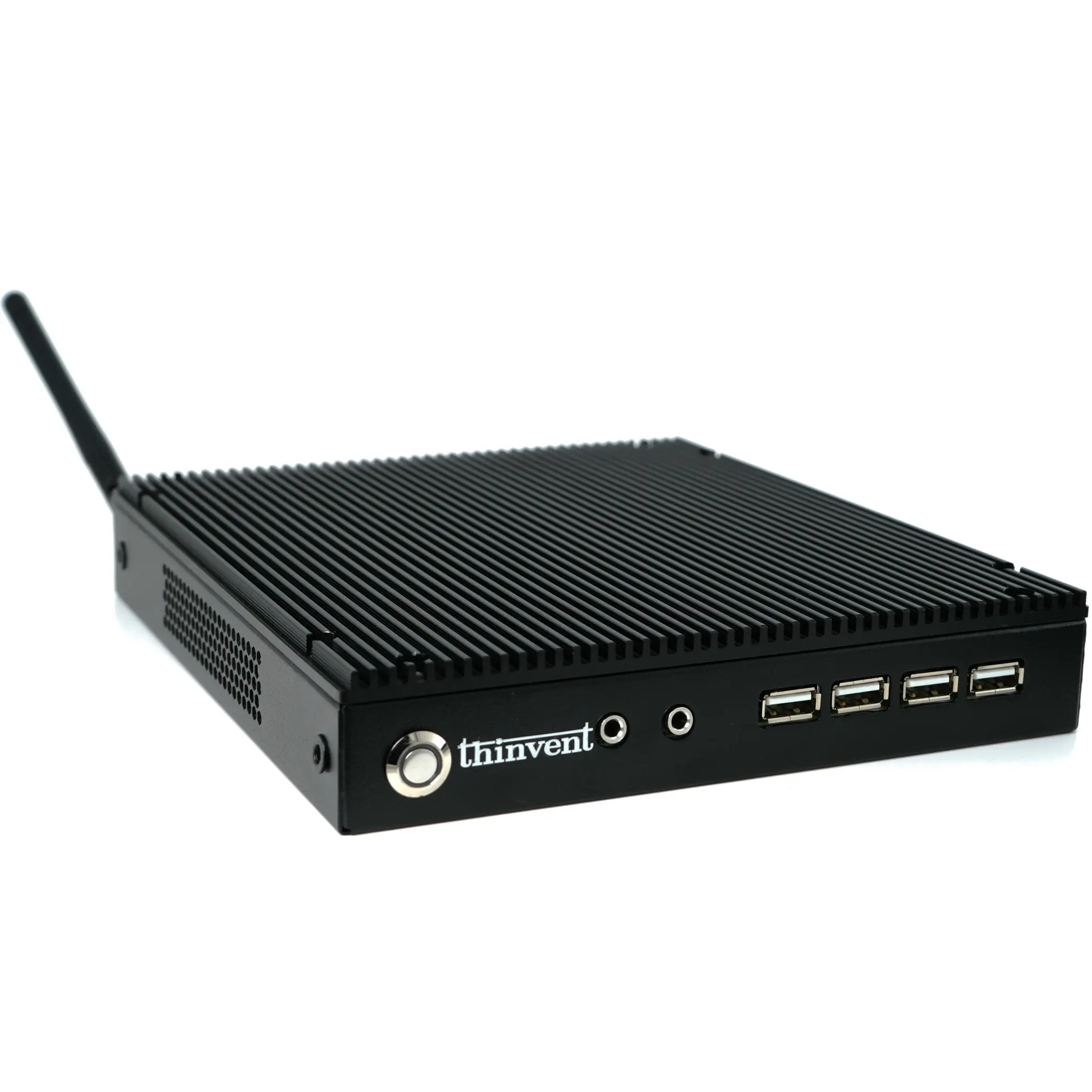
Thermal Design: Industrial computers often use fanless, passive cooling systems with heatsinks, which eliminate moving parts for silent operation and higher reliability in dusty environments.
Use Cases and Applications
Different CPU parts configurations are suited for specific industrial and commercial tasks:
-
Lightweight Computing & Digital Signage: Systems with efficient 4-core processors (e.g., Intel N-series), 8-16GB RAM, and 128GB SSD are ideal for running kiosks, thin clients, and basic office applications.
-
Edge Computing & IoT Gateways: Reliable, fanless mini PCs with capable processors and multiple I/O ports (USB, Ethernet) are perfect for data acquisition and control in manufacturing and automation.
-
General-Purpose Workstations: For design, programming, and administrative tasks, systems with higher core counts (i5/i7), 16-32GB RAM, and larger SSDs (512GB+) provide the necessary performance.
Comparison of Common Processor Types
| Processor Series | Typical Cores | Use Case Focus | Power Efficiency | Ideal For |
|---|---|---|---|---|
| Intel N-Series (e.g., N100) | 4 | Value & Efficiency | Very High | Digital Signage, Thin Clients, Basic POS |
| Intel Core i3 | 2-4 | Entry Performance | High | Office Workstations, Light Multitasking |
| Intel Core i5 | 6-10 | Mainstream Performance | Medium-High | General Workstations, CAD, Entry-level Servers |
| Intel Core i7/i9 | 10-24 | High Performance | Medium | Advanced Workstations, Simulation, Data Analysis |
Thinvent Products Featuring Robust CPU Components
Thinvent designs and manufactures a comprehensive range of industrial computers built with reliable, performance-matched CPU parts. Our product lines include compact Mini PCs and Thin Clients powered by efficient Intel processors like the N100, perfect for space-constrained and always-on applications. For more demanding tasks, our Industrial PCs and All-in-One systems feature higher-performance Intel Core i3, i5, and i7 processors from the latest generations, paired with ample RAM and fast SSD storage. Every system is engineered for durability, often featuring fanless cooling for silent and maintenance-free operation in challenging environments worldwide.