What is a High-Processor Computer?
A high-processor computer is a system designed with a powerful central processing unit (CPU) to deliver superior computational performance, multitasking capability, and responsiveness. For industrial and commercial applications, this means selecting a computer with a modern processor featuring a high core count, elevated clock speeds, and advanced architecture. These systems are engineered to handle demanding workloads such as data processing, machine vision, digital signage, and edge computing without performance bottlenecks.
Key Specifications and Technical Details
The performance of a high-processor computer is defined by several key specifications:
-
Processor Series & Generation: Modern Intel Core i3, i5, and i7 series from the 12th, 13th, and 14th generations offer significant performance gains over older or entry-level processors like Celeron or N-series chips. Newer generations provide better instructions per cycle (IPC), power efficiency, and integrated graphics.
-
Core Count & Threads: A higher number of physical cores (e.g., 6, 10, 12) allows the system to process more tasks simultaneously, which is critical for parallel workloads and virtualization.
-
Clock Speed & Turbo Boost: Base frequency determines consistent performance, while maximum turbo frequency indicates the peak speed for burst workloads. Look for processors with high turbo frequencies (e.g., over 4.0 GHz).
-
Thermal Design Power (TDP): High-performance processors often have a higher TDP, requiring robust, often fanless, cooling solutions in industrial designs to ensure sustained performance without thermal throttling.
-
Supporting Hardware: To unlock the full potential of a high-performance CPU, it must be paired with sufficient fast RAM (16GB, 32GB, or 64GB DDR4/DDR5) and high-speed storage (NVMe SSDs).
Use Cases and Applications
High-processor computers are indispensable in environments where computational power is paramount:
-
Industrial Automation & Control: Running complex PLC software, SCADA systems, and real-time analytics.
-
Digital Signage & Media: Driving multiple 4K displays with dynamic, high-resolution content.
-
Edge AI & Machine Vision: Processing data from cameras and sensors locally for quality control or object recognition.
-
Thin Client & VDI Hosts: Serving as a powerful host for multiple virtual desktop instances.
-
Research & Development: Performing simulations, data analysis, and software development.
Processor Series Comparison
| Series | Typical Use Case | Core Count (Example) | Key Advantage |
|---|---|---|---|
| Intel Core i5/i7 | High-Performance Workstations | 6-14 Cores | Maximum power for demanding applications, AI acceleration. |
| Intel Core i3 | Balanced Performance | 4-10 Cores | Excellent price-to-performance for general industrial computing. |
| Intel Celeron/N-Series | Entry-Level & Basic Computing | 4 Cores | Low power, fanless design for simple tasks and kiosks. |
Thinvent High-Performance Computing Solutions
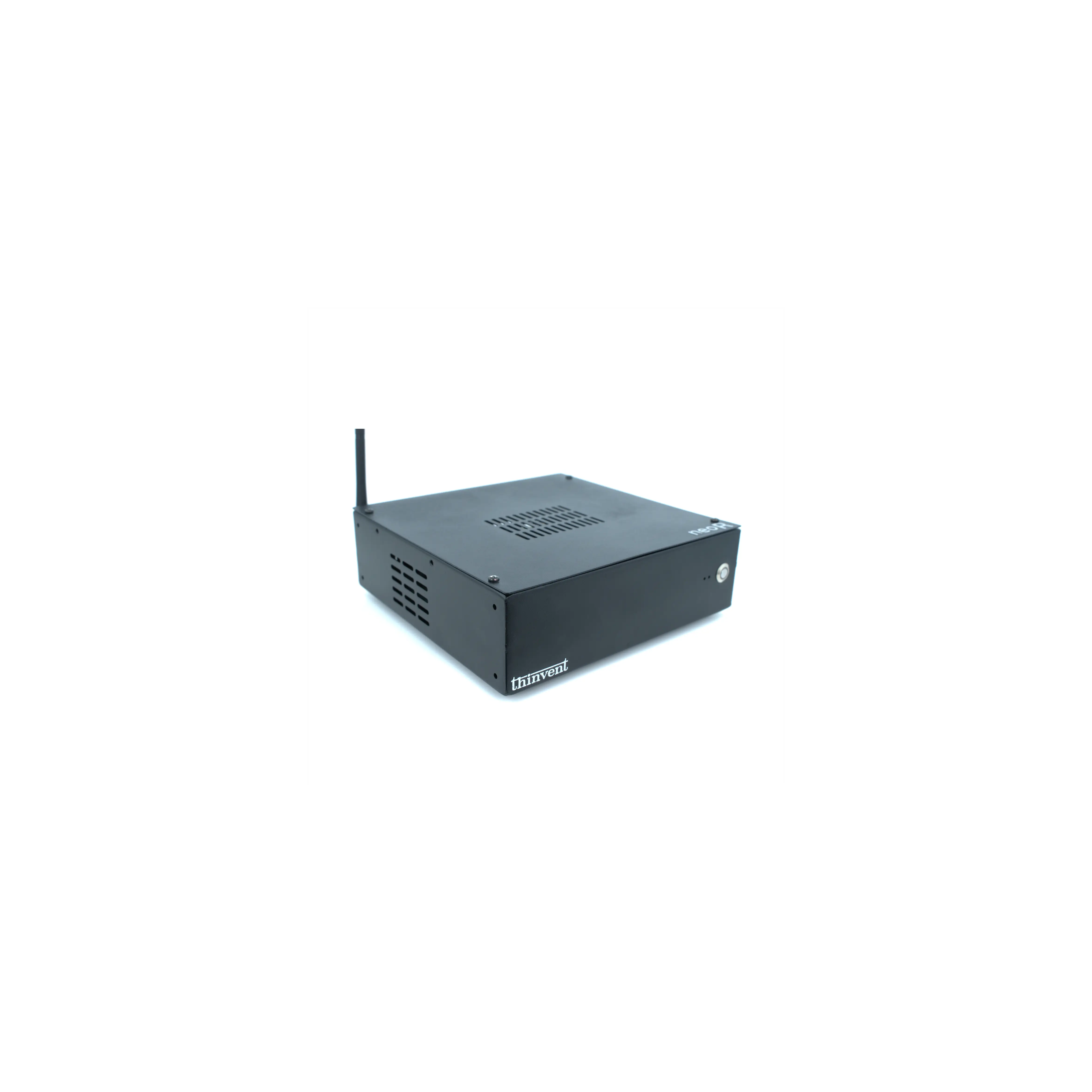
Thinvent offers a comprehensive range of industrial computers equipped with high-performance processors to meet diverse global demands. Our product lines include compact Mini PCs, robust Industrial PCs, and space-saving All-in-One systems featuring the latest Intel Core processors from the 12th to 14th generations. These systems are built with reliability in mind, often utilizing fanless cooling for silent, maintenance-free operation in harsh environments. Whether you need a powerful edge computing node, a digital signage controller, or an automation controller, Thinvent's high-processor computers provide the performance, durability, and connectivity required for critical industrial applications.