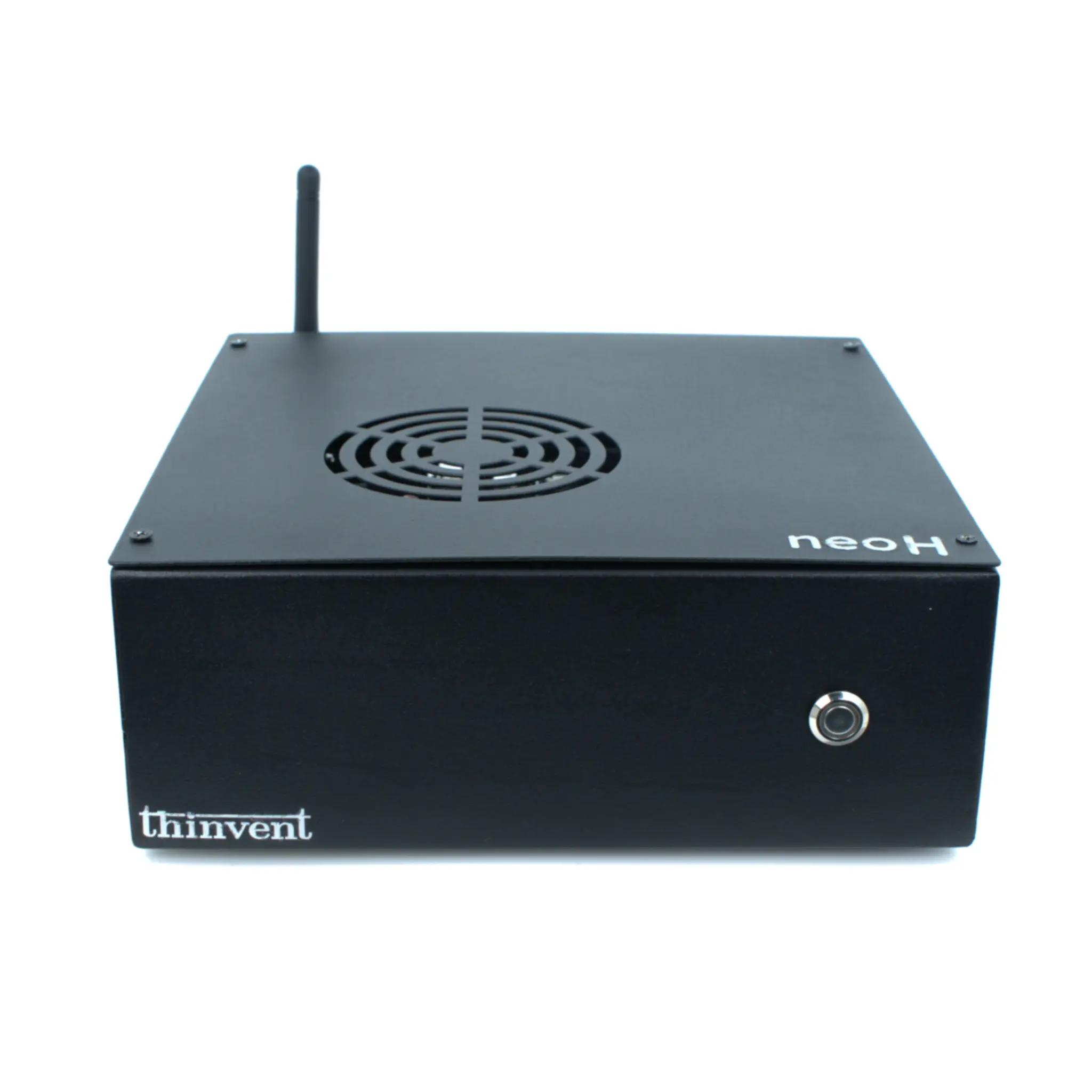
What is a Ryzen 5 Computer?
A computer featuring an AMD Ryzen 5 processor is a mid-range to high-performance computing solution designed for demanding tasks. The Ryzen 5 series is part of AMD's modern CPU lineup, known for offering excellent multi-core performance, high clock speeds, and integrated Radeon graphics at a competitive price point. These processors typically feature 6 cores and 12 threads, making them ideal for applications that require efficient multitasking and processing power beyond basic computing needs.
Key Specifications and Technical Details
Ryzen 5 processors are built on advanced architectures (like Zen 3 or Zen 4) and offer significant advantages for industrial and commercial use. Key specifications often include:
-
Core Count: Typically 6 cores with Simultaneous Multithreading (SMT) for 12 threads.
-
Clock Speed: High base and boost clock speeds, often exceeding 3.5 GHz, ensuring responsive performance.
-
Integrated Graphics: Most models include capable AMD Radeon Graphics, eliminating the need for a discrete GPU in many visual applications.
-
Cache: Generous L2 and L3 cache sizes (e.g., 19MB total cache common) for faster data access.
-
Thermal Design Power (TDP): Efficient power profiles, often between 45W and 65W, suitable for fanless or low-noise industrial designs.
-
Support for Modern Technologies: Includes support for PCIe 4.0/5.0, DDR4/DDR5 memory, and advanced security features.
Use Cases and Applications
Computers powered by Ryzen 5 processors are versatile and suited for a wide range of industrial and professional environments:
-
Digital Signage & Kiosks: Handle multiple high-resolution displays and media playback smoothly.
-
Light CAD/CAM and Engineering Workstations: Provide the necessary horsepower for 3D modeling, rendering, and design software.
-
Factory Automation & Control: Reliably run SCADA, HMI, and PLC programming software.
-
Edge Computing & IoT Gateways: Process data from multiple sensors and devices at the network edge.
-
Healthcare Imaging: Support medical display stations and diagnostic equipment requiring stable, consistent performance.
-
General Office Productivity: Excel in multitasking environments with numerous applications, browsers, and virtual machines open.
Comparison: Ryzen 5 vs. Common Intel Equivalents
For industrial applications, choosing the right processor involves balancing performance, power efficiency, and graphics capability. Below is a general comparison.
| Feature | AMD Ryzen 5 (e.g., 5600G/6600H) | Intel Core i5 (e.g., 12400/13400) |
|---|---|---|
| Typical Core/Thread Count | 6 Cores / 12 Threads | 6 P-cores + 4 E-cores / 16 Threads* |
| Integrated Graphics | AMD Radeon Graphics (Generally stronger) | Intel UHD Graphics |
| Power Efficiency | Excellent, often favored in compact, fanless designs | Good, with efficient E-cores for background tasks |
| Multi-threaded Performance | Very Strong | Very Strong (benefits from hybrid architecture) |
| Single-threaded Performance | Strong | Strong |
| Ideal For | Applications needing strong CPU+GPU combo in one chip, value-oriented performance. | Applications leveraging hybrid core scheduling, wide software optimization. |
Note: Intel's hybrid architecture uses Performance-cores (P-cores) and Efficiency-cores (E-cores).
Thinvent's Range of High-Performance Computing Solutions
While Thinvent's current showcased portfolio emphasizes robust, fanless Intel-based systems like the Aero Mini PC with efficient N-series processors, we understand the demand for AMD's powerful Ryzen platform. Thinvent is continuously evaluating and expanding its product lines to include solutions featuring AMD Ryzen 5 and other high-performance processors. Our engineering focus remains on delivering reliable, industrial-grade computers with features like wide-temperature operation, rich I/O connectivity, and flexible mounting options—qualities that would define any future Ryzen-powered offering. For the latest on our expanding processor portfolio, including potential AMD-based systems, please contact our technical sales team.