A Core i7 System Unit refers to a complete desktop computer system built around an Intel Core i7 processor. This designation signifies a high-performance tier within Intel's Core lineup, designed for demanding computing tasks that require superior processing power, multitasking capabilities, and responsiveness. These systems are engineered to handle intensive workloads beyond the capabilities of entry-level or mainstream processors.
Key Specifications and Technical Details
Intel Core i7 processors are characterized by high core counts, Hyper-Threading technology (which allows each physical core to handle two processing threads), and large cache sizes (typically 12MB to 36MB). They feature high turbo boost frequencies, often exceeding 5.0 GHz, and support for advanced technologies like Intel® Turbo Boost Max Technology 3.0 and Intel® Thermal Velocity Boost. Modern Core i7 system units commonly feature:
-
Processor Generations: 10th, 11th, 12th, 13th, and 14th Gen Intel Core i7.
-
Core Counts: Typically 8 to 16 cores (with Hyper-Threading enabling 16 to 24 threads).
-
Memory Support: Compatibility with high-speed DDR4 or DDR5 RAM, often configurable from 16GB to 64GB or more.
-
Storage: Fast NVMe PCIe SSDs (256GB to 2TB+) for rapid system and application loading.
-
Graphics: Integrated Intel® UHD or Iris® Xe graphics, with options for discrete GPU add-ons.
-
Connectivity: Multiple USB 3.2/Thunderbolt™ 4 ports, 2.5GbE or 10GbE Ethernet, and Wi-Fi 6E/7.
Use Cases and Applications
Core i7 system units are the workhorses for professionals and power users. Their primary applications include:
-
Content Creation & Professional Workstations: Video editing, 3D rendering, graphic design, and audio production.
-
Engineering & Scientific Computing: CAD/CAM software, simulation, data analysis, and computational modeling.
-
High-End Gaming & Streaming: Providing the necessary CPU power for high frame rates and seamless gameplay streaming.
-
Software Development: Compiling large codebases and running multiple virtual machines or containers.
-
Financial Modeling & Data Science: Handling complex calculations and large datasets.
Comparison with Other Processor Tiers
| Feature | Core i7 Systems | Core i5 Systems | Core i3 / Pentium / Celeron Systems |
|---|---|---|---|
| Performance Tier | High-Performance | Mainstream | Entry-Level / Value |
| Typical Core/Thread Count | 8-16 Cores / 16-24 Threads | 6-14 Cores / 12-20 Threads | 2-4 Cores / 2-8 Threads |
| Cache Size | Large (e.g., 24MB+) | Moderate (e.g., 12-20MB) | Smaller (e.g., 4-12MB) |
| Turbo Boost Frequency | Highest | High | Standard |
| Ideal For | Professional workloads, heavy multitasking, gaming | General office use, moderate gaming, light content creation | Basic computing, digital signage, kiosks, thin clients |
Thinvent's Core i7 Industrial Computing Solutions
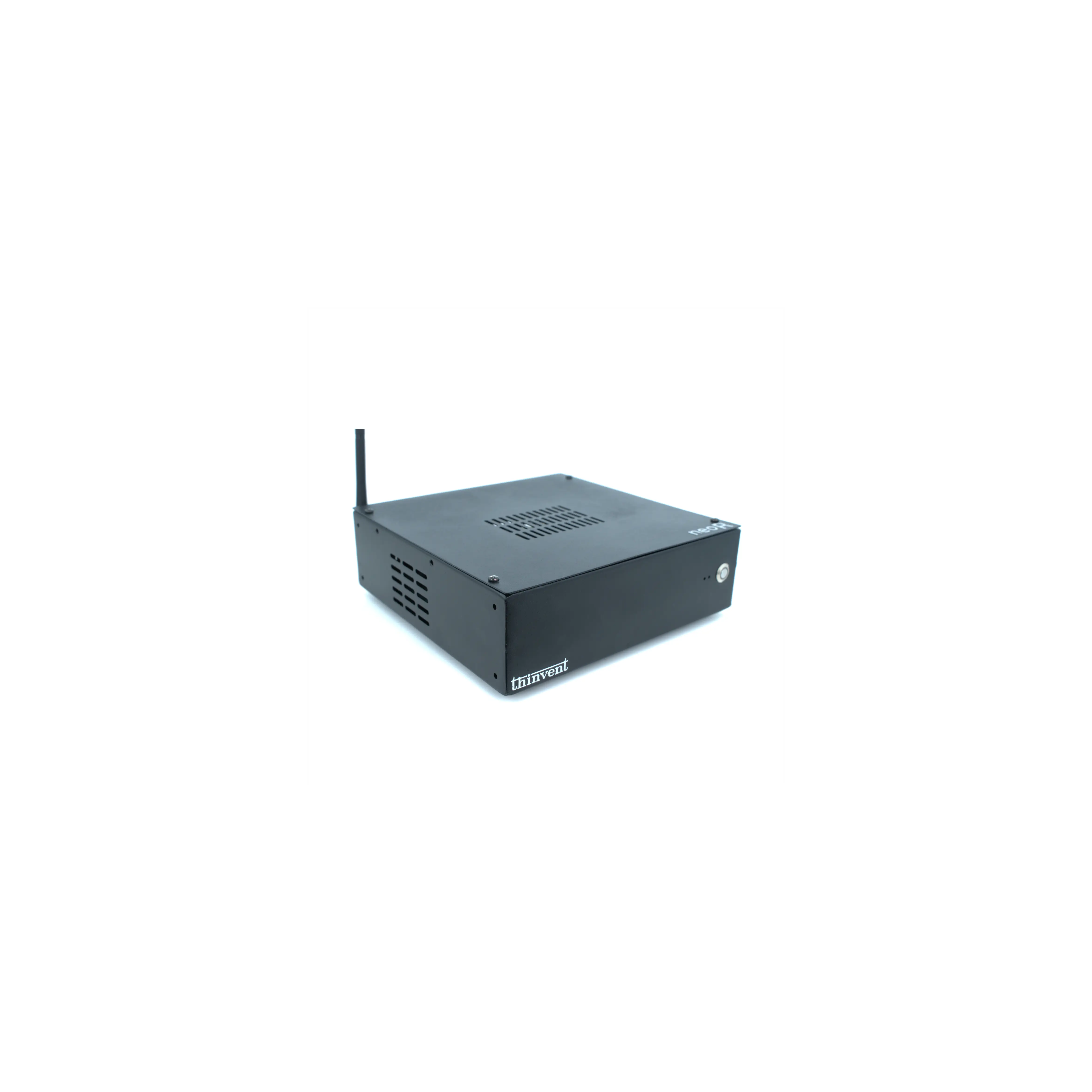
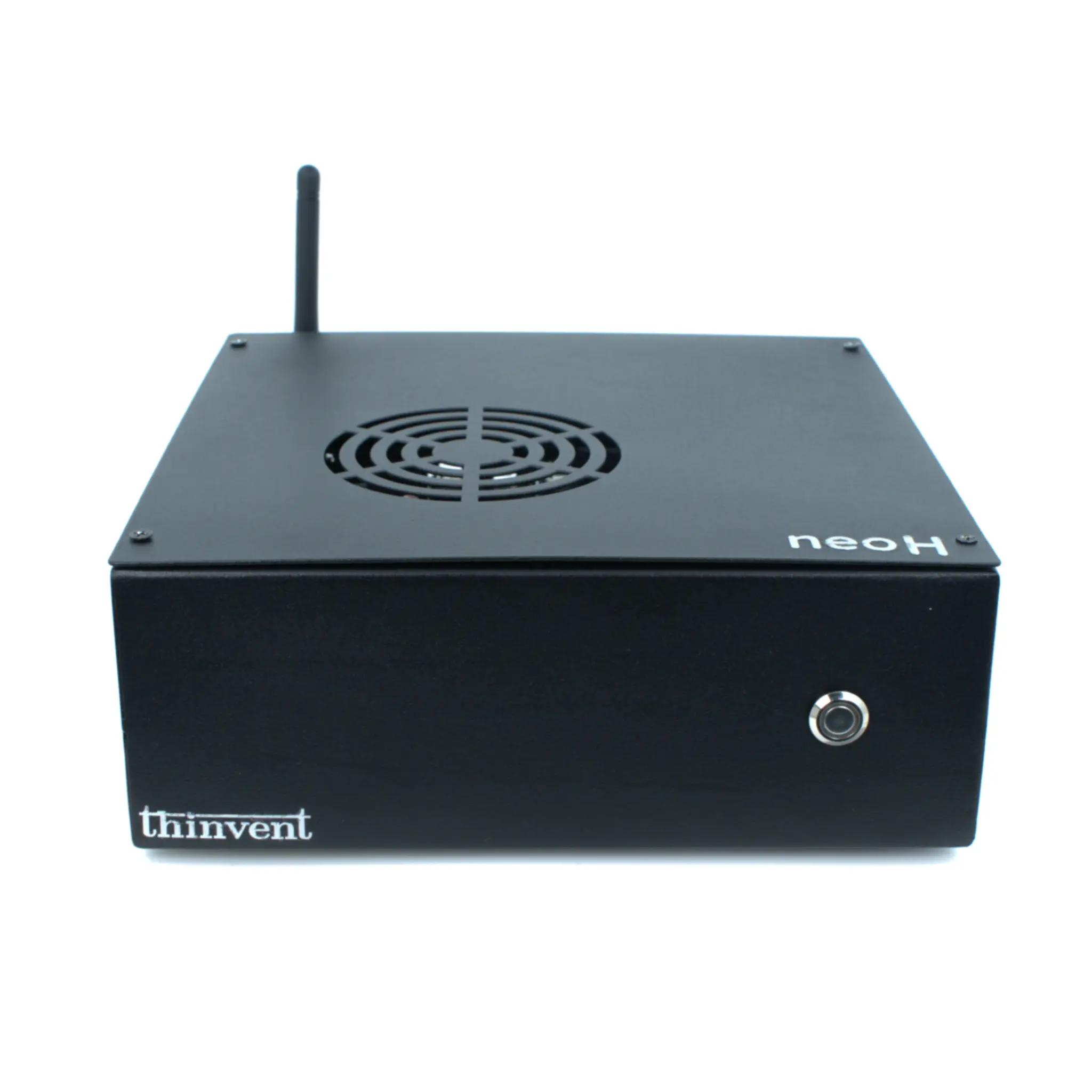
Thinvent offers a robust range of industrial-grade system units powered by Intel Core i7 processors, designed for reliability in challenging environments. Our solutions include fanless Industrial PCs and compact Mini PCs that leverage Core i7 performance while offering features critical for industrial and commercial deployment: wide operating temperature ranges, shock and vibration resistance, and rich I/O connectivity for peripherals. These systems are ideal for deploying powerful computing at the edge, in automation control rooms, or as the backbone for demanding visualization and control applications where consistent, uncompromised performance is non-negotiable.