Understanding Intel Core i7 Processors for Industrial Computing
The query "Cpu I7 Dell" indicates a search for systems powered by Intel's Core i7 processor, a brand often associated with high-performance computing. While Dell is a specific brand of consumer and business PCs, the underlying need is for a powerful, reliable computing platform suitable for demanding tasks. Intel Core i7 processors are part of Intel's Core series, designed for superior performance with features like higher core counts, Hyper-Threading, and larger cache sizes compared to i3 or i5 counterparts. These processors excel in multitasking, data processing, and running complex applications.
Key Specifications and Technical Advantages
Intel Core i7 processors are defined by several key technical specifications that make them ideal for industrial and professional workloads. They typically feature a higher number of physical cores (e.g., 6, 10, or 12) and support Hyper-Threading, effectively doubling the number of logical threads for parallel processing. They also boast higher base and turbo clock speeds, larger Intel Smart Cache (often 12MB to 30MB), and support for more PCIe lanes and faster memory (DDR4/DDR5). This combination delivers the computational power needed for engineering simulations, financial modeling, advanced digital signage, and AI inference at the edge.
Industrial Applications and Use Cases
The robust performance of Core i7-based systems makes them perfect for challenging industrial environments. Common applications include:
-
Industrial Automation & Control: Running complex PLC software and HMI interfaces.
-
Digital Signage & Kiosks: Powering 4K/8K multi-screen video walls and interactive displays.
-
Edge AI and Machine Vision: Processing data from cameras and sensors for quality control and predictive maintenance.
-
Medical Imaging: Supporting diagnostic equipment that requires rapid image rendering.
-
Broadcast & Media: Serving as compact workstations for video editing and live streaming.
Comparing Processor Tiers for Industrial Use
When selecting an industrial computer, understanding the performance tier is crucial. The following table compares common Intel processor series relevant to industrial PCs:
| Feature | Intel Processor N-Series (e.g., N100) | Intel Core i5 Series | Intel Core i7 Series |
|---|---|---|---|
| Primary Use | Basic computing, thin clients, digital signage | Balanced performance for mainstream tasks | High-performance demanding applications |
| Typical Cores/Threads | 4 cores / 4 threads | 6-10 cores / 12-16 threads | 10-14 cores / 16-20 threads |
| Cache Size | 6 MB | 12-20 MB | 20-30 MB |
| Power Profile | Ultra-low power, fanless design | Moderate power, often fanless or active cooling | Higher power, may require active cooling |
| Ideal For | Lightweight OS, single-app kiosks, IoT gateways | Multi-tasking, moderate CAD, point-of-sale systems | Data analysis, complex simulations, high-end graphics |
Thinvent's Range of High-Performance Computing Solutions
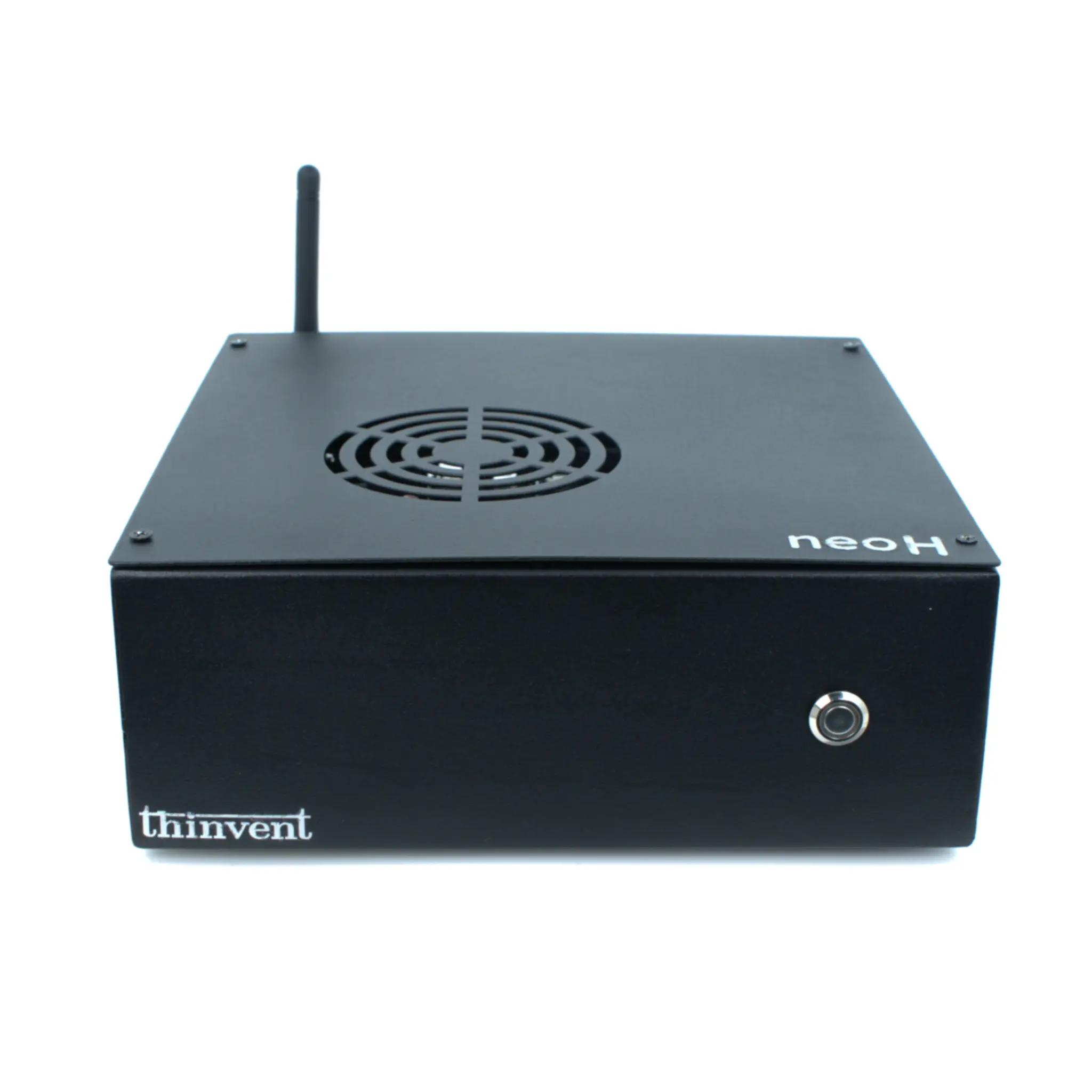
While the sample products on this page feature efficient Intel N-Series processors for entry-level tasks, Thinvent's broader industrial computing portfolio includes powerful solutions designed for workloads that demand an Intel Core i7 level of performance. Our engineers develop robust systems that leverage the latest Intel Core processor technology, ensuring reliability, extended lifecycle support, and stable operation in wide temperature ranges. For applications requiring maximum computational throughput—such as edge servers, advanced automation controllers, or immersive media platforms—explore Thinvent's range of industrial PCs and fanless systems equipped with high-core-count processors to meet your specific performance requirements.