What Are Intel Core i5 H Series Processors?
Intel Core i5 H Series processors are high-performance mobile CPUs designed for demanding applications where both power and efficiency are critical. The "H" designation stands for "High-Performance Graphics," but these chips are renowned for their elevated power limits and robust multi-core performance, making them a cornerstone for powerful compact computing solutions. While the query mentions an 8th Gen i9, modern equivalents and superior performance are now found in newer generations, offering better efficiency, integrated graphics, and thermal management.
Key Specifications and Technical Advantages
Modern H-series processors, such as those from the 12th Gen Intel Core family, offer significant advancements over older 8th Gen parts. They feature a hybrid architecture with Performance-cores (P-cores) and Efficient-cores (E-cores), delivering exceptional multi-threaded performance and improved power efficiency. Key specifications include high core counts (e.g., 10 cores), high turbo frequencies (up to 4.7 GHz), substantial cache memory (e.g., 12 MB Intel Smart Cache), and support for fast DDR4/DDR5 RAM and PCIe 4.0 storage. This combination ensures smooth handling of intensive workloads.
Ideal Use Cases and Applications
Computers powered by Intel Core i5 H Series processors are engineered for professional and industrial environments where space is limited but performance cannot be compromised. Their primary applications include:
-
Digital Signage & Kiosks: Driving multiple high-resolution displays with reliable, 24/7 operation.
-
Industrial Automation: Acting as a controller for PLCs, robotics, and complex machinery.
-
Edge Computing & IoT Gateways: Processing data locally with low latency for smart factories and retail.
-
CAD/CAM and Design Workstations: Providing the necessary CPU power for engineering software in a compact form factor.
-
Network Appliances: Utilizing features like Dual LAN for firewall, routing, or network storage duties.
Comparison: Legacy vs. Modern Performance
For users considering an upgrade from older 8th Gen platforms, modern H-series and U-series processors offer a substantial leap. The table below highlights key generational improvements.
| Feature | 8th Gen Intel Core i9 (Example) | Modern 12th Gen Intel Core i7 (e.g., i7-1255U) |
|---|---|---|
| Architecture | Coffee Lake (Monolithic) | Alder Lake (Hybrid: P-cores + E-cores) |
| Manufacturing Process | 14nm | Intel 7 (10nm Enhanced) |
| Max Turbo Frequency | High (e.g., ~4.8 GHz) | Comparable/High (e.g., up to 4.7 GHz) |
| Core/Thread Count | Typically 6 cores / 12 threads | Up to 10 cores (2P+8E) / 12 threads |
| Integrated Graphics | Intel UHD Graphics 630 | Intel Iris Xe Graphics (significantly more powerful) |
| PCIe Support | PCIe 3.0 | PCIe 4.0 |
| Memory Support | DDR4 | DDR4 / DDR5 |
| Power Efficiency | Standard | Greatly improved, better performance-per-watt |
Thinvent's High-Performance Computing Solutions
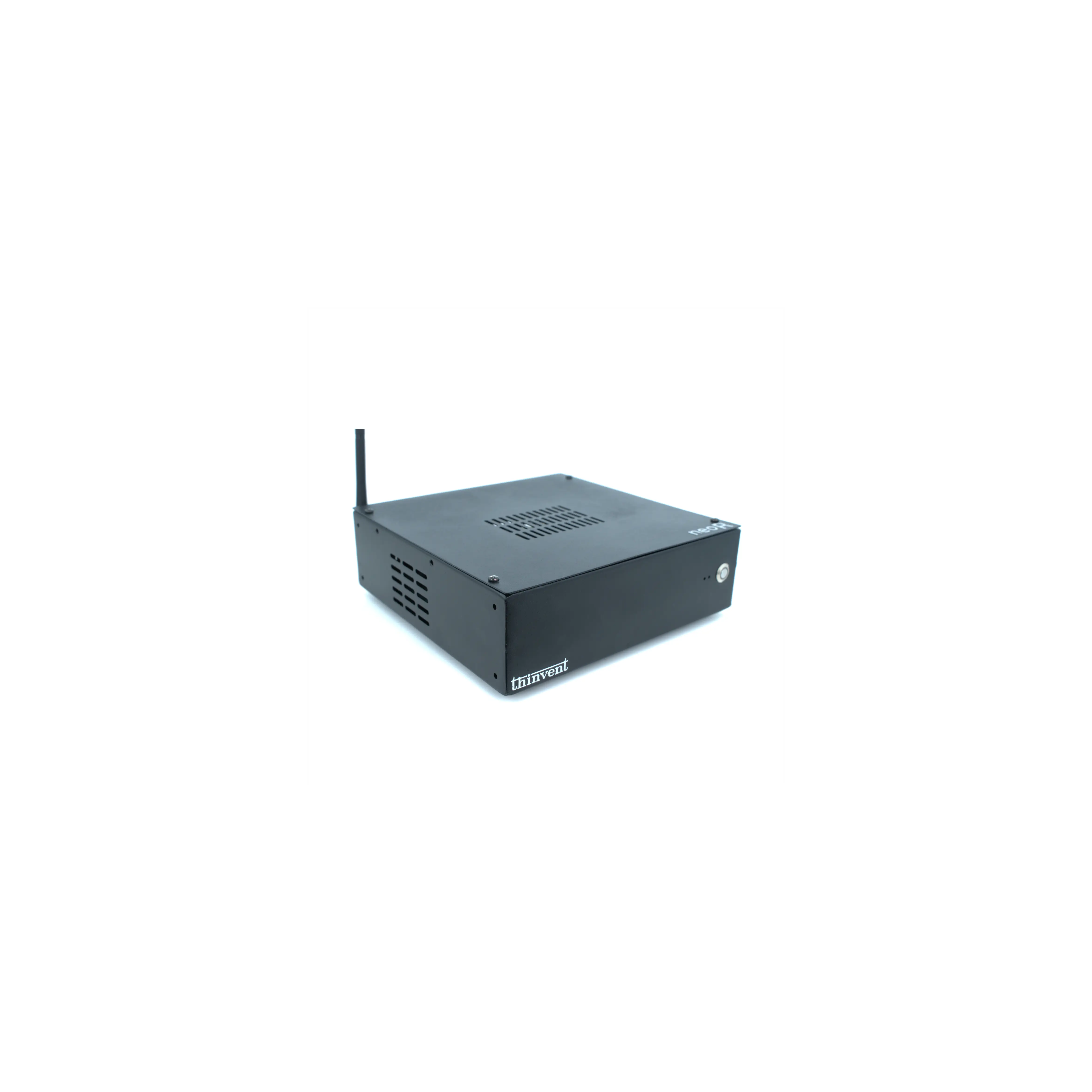
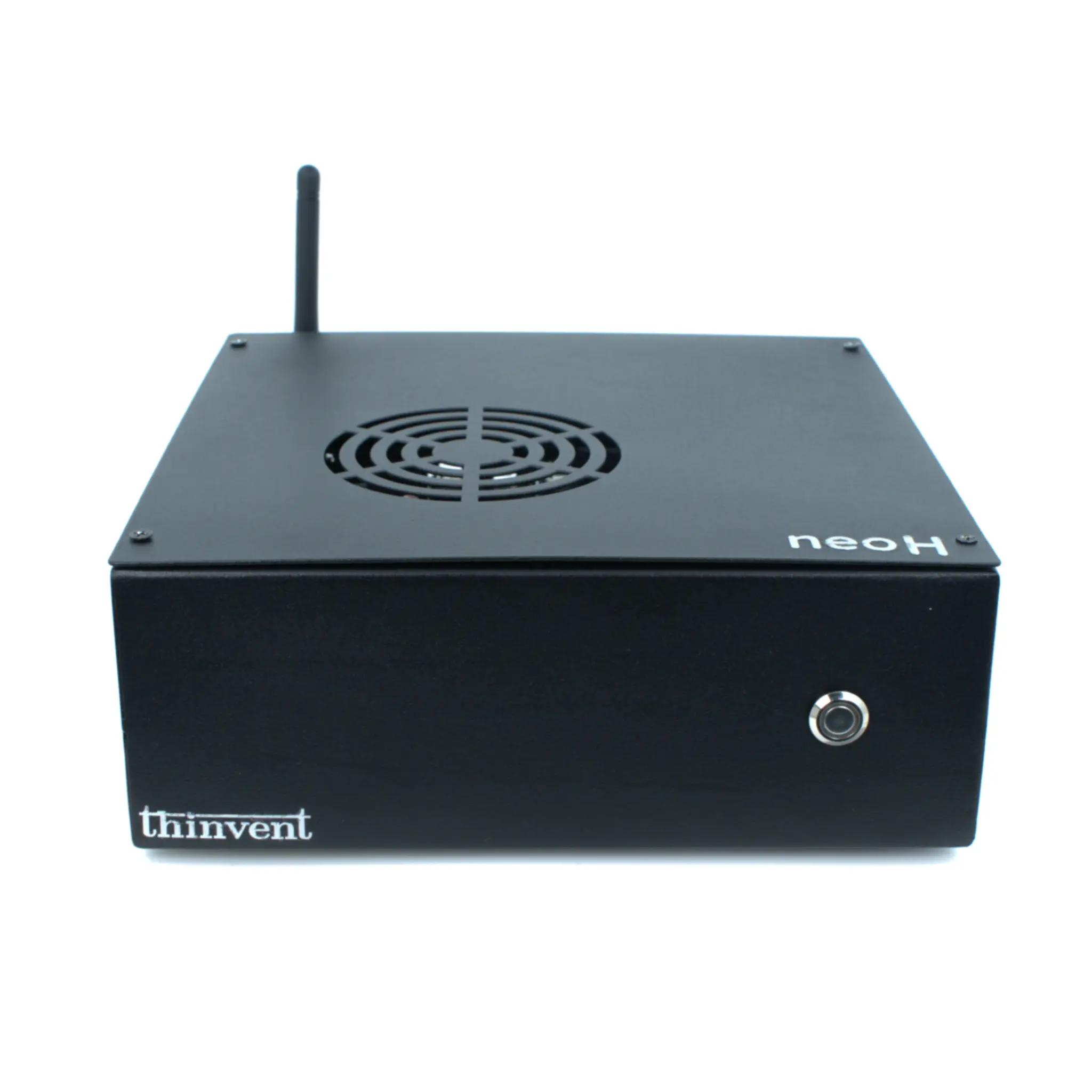
Thinvent incorporates the latest high-performance Intel processors into its robust, compact industrial computers. A prime example is the Thinvent Treo Mini PC, featuring the 12th Gen Intel Core i7-1255U processor. This system delivers 10-core performance with turbo speeds up to 4.7 GHz, making it a powerful successor to older high-performance chips. Configured with up to 64GB DDR4 RAM, 1TB SSD storage, Dual LAN ports, and flexible OS options (Windows 11 Pro, Linux variants, or without OS), the Treo is built for reliability in demanding deployments. Its fanless or actively cooled designs ensure silent and durable operation in industrial settings, providing a modern, compact, and vastly more capable alternative to systems based on older 8th Gen processors.