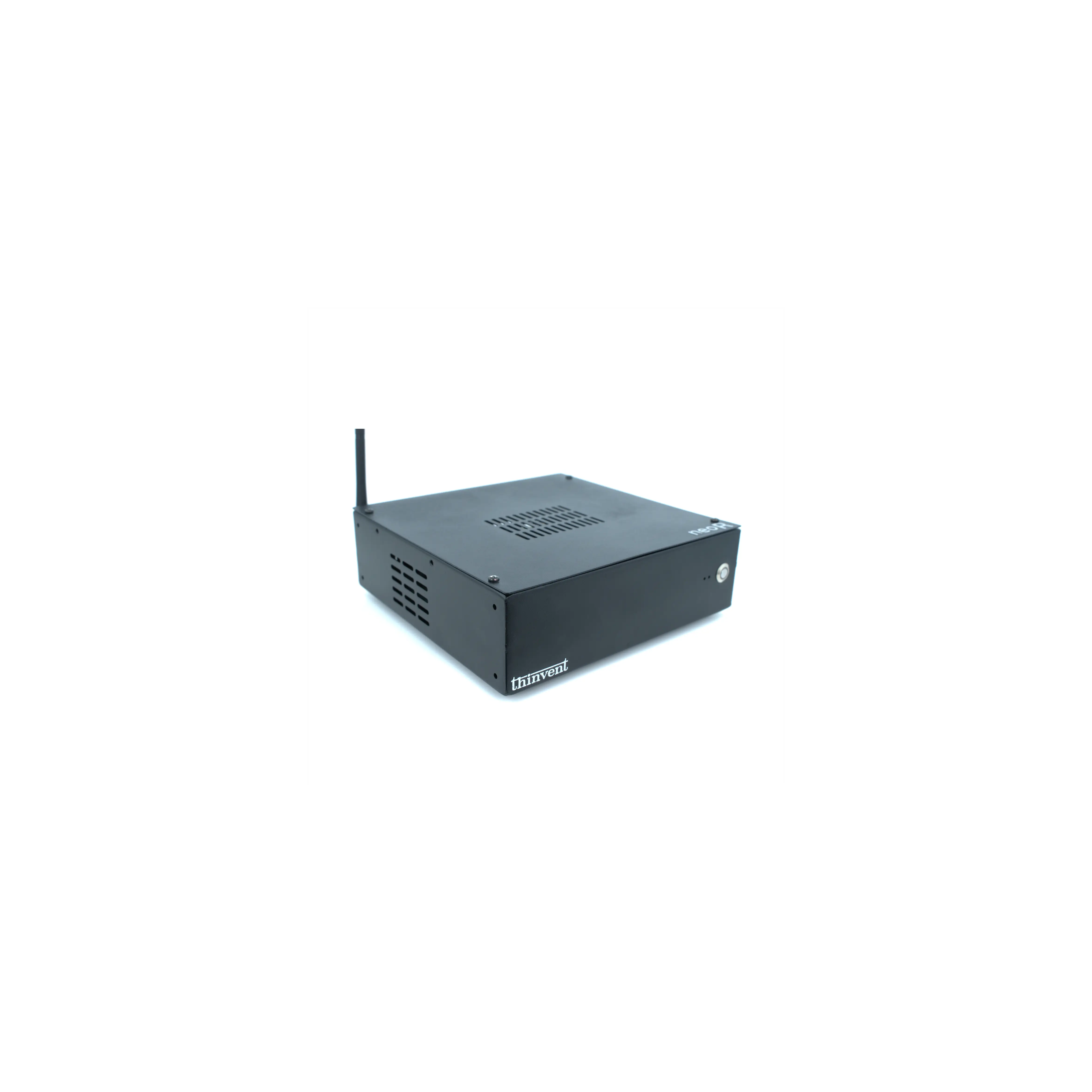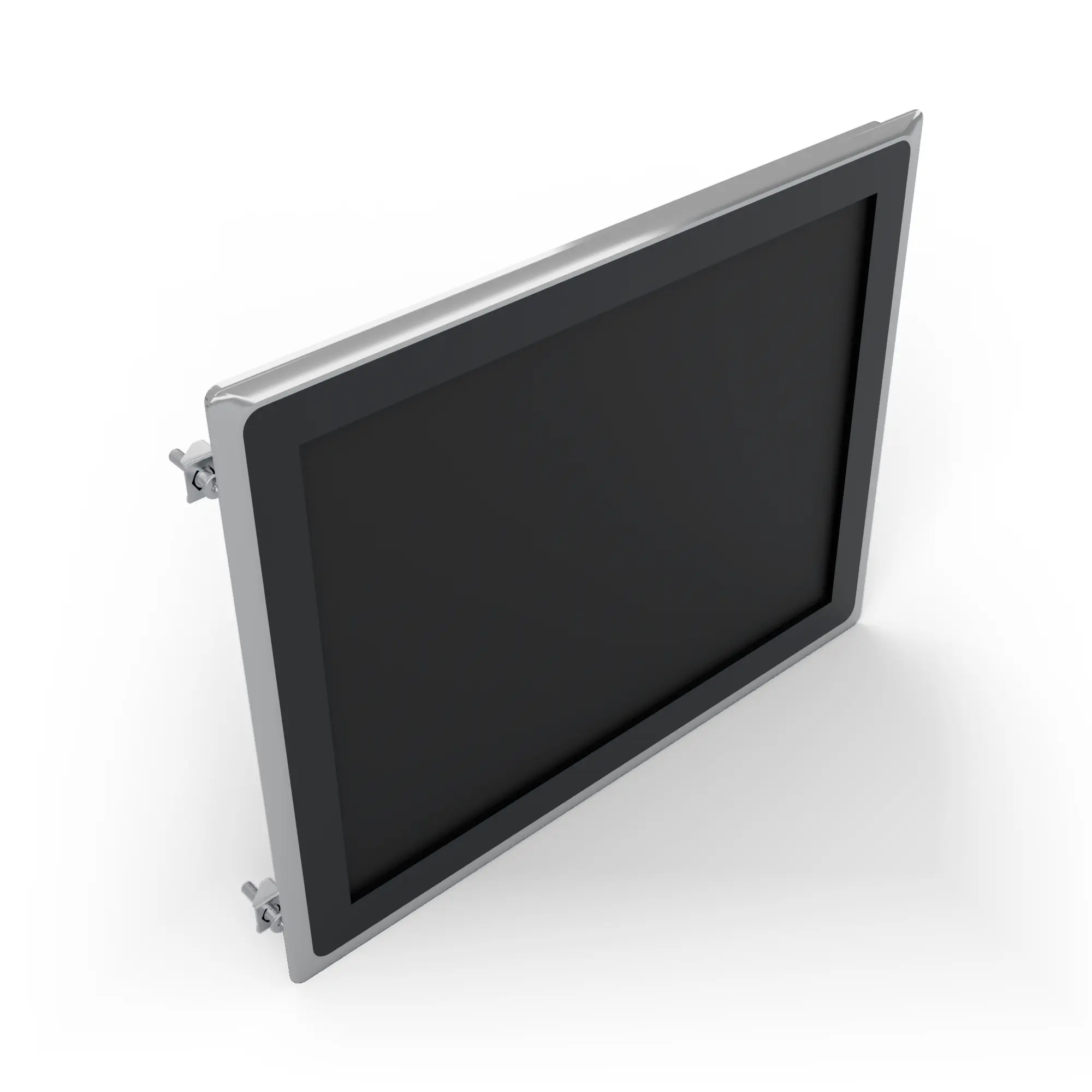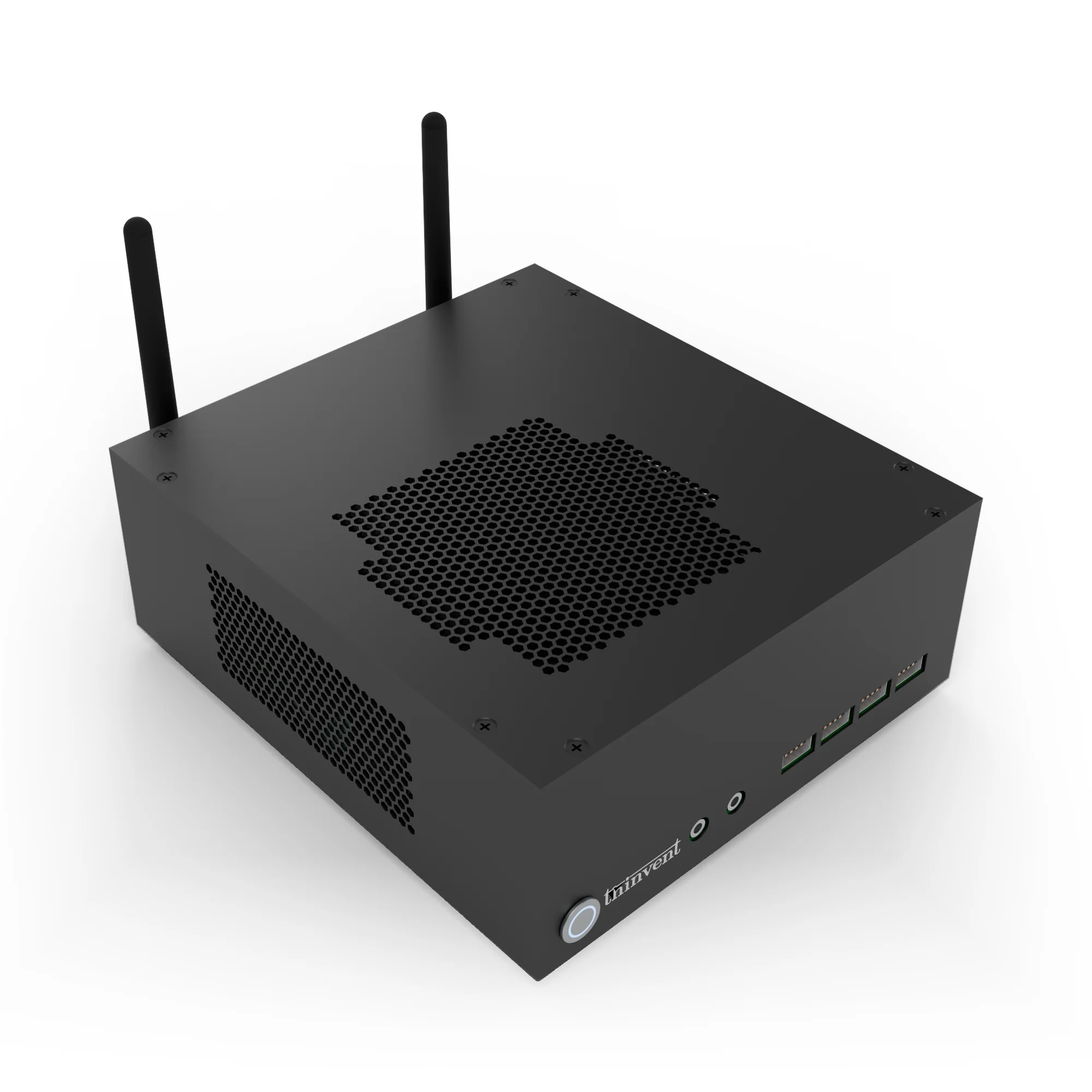
A dual-core motherboard with an integrated processor is a compact, cost-effective computing solution where the central processing unit (CPU) is permanently soldered onto the main circuit board. This integrated design offers a balance of performance and power efficiency, making it ideal for space-constrained and energy-conscious applications. Unlike traditional setups with a separate, socketed CPU, this integrated approach simplifies the system architecture, reduces potential points of failure, and often enables fanless, silent operation due to lower thermal design power (TDP).
Key Specifications and Technical Details
These integrated platforms typically feature modern Intel or ARM-based processors. Key specifications to consider include:
-
Processor Cores: Dual-core configurations provide two independent processing units, suitable for multitasking basic applications.
-
Clock Speed: Measured in GHz, this determines how quickly the processor can execute instructions.
-
Cache Memory: A small amount of high-speed memory (e.g., 4-6 MB) on the CPU for rapid data access.
-
Thermal Design Power (TDP): Often ranges from 6W to 15W, allowing for passive cooling and lower energy consumption.
-
Integrated Graphics: Most modern integrated processors include capable onboard graphics for driving displays without a separate video card.
-
I/O Support: The motherboard provides essential connectivity like USB ports, Ethernet, HDMI/DisplayPort, and storage interfaces (SATA, M.2).
Common Use Cases and Applications
The efficiency and compact form factor of dual-core integrated motherboards make them perfect for numerous industrial and commercial deployments:
-
Digital Signage & Kiosks: Reliable operation for displaying media in retail, hospitality, and public spaces.
-
Thin Clients & VDI: Lightweight endpoints for accessing virtualized desktop environments in offices and call centers.
-
IoT Gateways: Acting as a hub to collect, process, and relay data from sensors in smart factories and buildings.
-
Basic Office & Point-of-Sale (POS) Systems: Handling everyday productivity software, web browsing, and transaction processing.
-
Embedded Systems: Deployed in transportation, medical devices, and automation where reliability and a small footprint are critical.
Comparison: Integrated vs. Traditional Motherboards
| Feature | Integrated Motherboard (with CPU) | Traditional Motherboard (with Socket) |
|---|---|---|
| Upgradability | CPU is not upgradable; the unit is typically replaced. | CPU can often be upgraded to a compatible model. |
| Form Factor | Enables extremely compact and slim designs (e.g., Mini PC, panel PC). | Generally larger to accommodate socket and cooling. |
| Power & Cooling | Lower TDP enables fanless, silent operation. | Higher TDP often requires active cooling (fans). |
| Reliability | Fewer components and connections reduce failure points. | More components (socket, separate CPU) can introduce complexity. |
| Cost | Lower total system cost for entry to mid-level performance. | Higher initial cost but potential for future CPU upgrades. |
Thinvent's Integrated Computing Solutions
Thinvent specializes in robust, industrial-grade computing systems built on reliable integrated platforms. Our product range includes compact Mini PCs and versatile Industrial PCs that leverage the latest Intel processors soldered directly onto the motherboard. These systems are engineered for 24/7 operation in demanding environments, featuring wide-temperature tolerance, shock and vibration resistance, and fanless designs for silent, maintenance-free performance. Whether for digital signage, factory automation, or edge computing, Thinvent provides a durable and efficient hardware foundation.