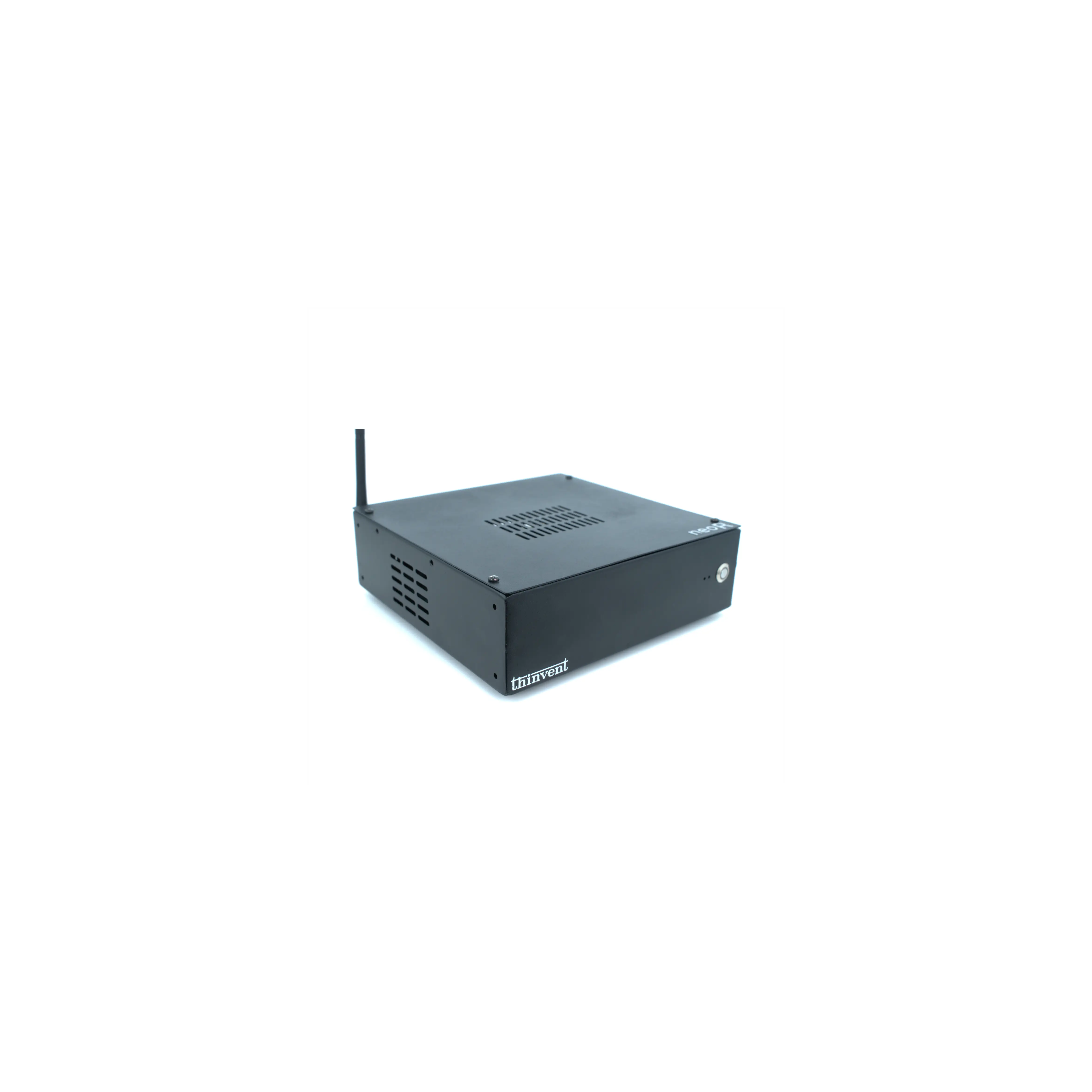
An embedded processor in a system refers to a specialized microprocessor or microcontroller designed to be integrated into a larger device to control specific functions. Unlike general-purpose CPUs in personal computers, these processors are optimized for dedicated tasks, offering low power consumption, compact form factors, and robust reliability for continuous operation in challenging environments. They form the computational heart of countless modern devices where computing is not the primary function but an essential enabling technology.
Key Specifications and Technical Details
Embedded processors are characterized by several critical technical attributes. They typically feature low Thermal Design Power (TDP), enabling fanless, silent operation which is crucial for dust-sensitive or noise-restricted applications. They support a wide range of operating temperatures, often from -20°C to 70°C, ensuring functionality in industrial settings. Modern embedded SoCs (System on a Chip), like Intel's N-series, integrate the CPU, GPU, and I/O controllers onto a single chip, enhancing efficiency and reliability. Key specs to consider include:
-
Processor Architecture: x86 (Intel, AMD) or ARM.
-
Core Count: Ranging from efficient dual-core to powerful multi-core configurations.
-
Power Consumption: Often between 6W to 15W for passive cooling.
-
I/O Support: Extensive connectivity including multiple USB ports, Ethernet, serial COM, and display outputs.
-
Longevity: Many are part of long-term availability programs, guaranteeing supply for over a decade.
Common Use Cases and Applications
The reliability and compact nature of embedded processors make them ideal for a vast array of applications. They are fundamental to Industrial Automation, powering PLCs, HMIs, and machine vision systems on the factory floor. In Digital Signage and Kiosks, they deliver consistent media playback. They are also pivotal in Transportation (ticketing systems, in-vehicle infotainment), Healthcare (medical diagnostic devices), Retail (POS systems), and Networking (routers, firewalls). Their ability to run headless (without a direct monitor) or with minimal OS overhead makes them perfect for IoT gateways and edge computing nodes.
Comparison of Common Embedded Processor Types
| Feature | Intel N-Series (e.g., N100) | Intel Celeron/Pentium | ARM-based Processors |
|---|---|---|---|
| Primary Use | Modern, efficient edge computing & compact systems | Cost-effective, legacy-compatible embedded tasks | Ultra-low power, mobile, and custom embedded designs |
| Power Profile | Very Low (6W-10W) | Low to Moderate | Extremely Low |
| Performance | Good for multi-tasking & light graphics | Sufficient for basic control & display | Excellent per-watt for specific workloads |
| Software Ecosystem | Broad (Windows, Linux) | Broad (Windows, Linux) | Linux, Android, RTOS |
| I/O & Expandability | Good modern I/O support | Standard I/O support | Often limited, SoC-dependent |
Thinvent Products Featuring Embedded Processors
Thinvent specializes in robust industrial computing solutions built around reliable embedded processors. Our product lines, such as the Aero Mini PC series, utilize efficient Intel processors like the N100 to deliver fanless, silent operation perfect for 24/7 embedded applications. We offer a range of form factors including Mini PCs and Industrial Panel PCs, configurable with various memory, storage, and operating system options—from Windows IoT and Linux to headless setups. Each system is engineered for durability, wide-temperature operation, and long-term deployment in demanding embedded environments, providing a stable and powerful hardware foundation for your specialized application needs.