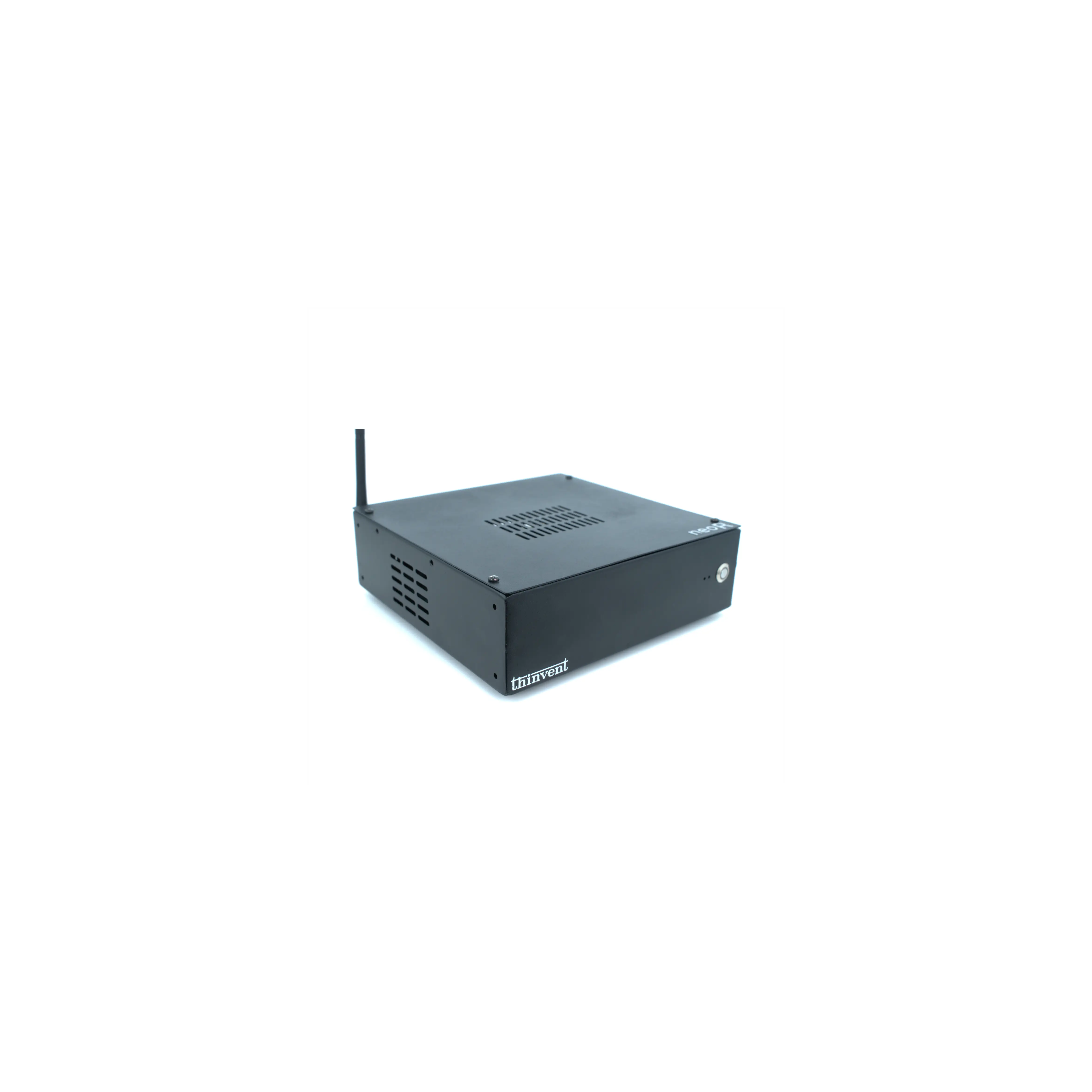
ما هي أجهزة الكمبيوتر الصناعية الصغيرة من فئة Intel Core i5؟
أجهزة الكمبيوتر الصناعية الصغيرة (Industrial Mini PCs) المزودة بمعالجات Intel Core i5 هي حلول حوسبة قوية ومدممة مصممة خصيصًا للبيئات الصناعية والتجارية المتطلبة. تجمع هذه الأجهزة بين الأداء العالي لمعالجات Intel Core من الجيل الثاني عشر وما بعده، وبين المتانة والموثوقية اللازمة للتشغيل المستمر في ظروف قاسية. غالبًا ما تتميز بتصميم مروحي (fanless) لتحقيق الصمت التام ومنع دخول الغبار، مما يجعلها مثالية لمجموعة واسعة من التطبيقات خارج المكاتب التقليدية.
المواصفات الرئيسية والتقنية
تأتي أجهزة الكمبيوتر الصناعية الصغيرة من فئة i5 بمواصفات قادرة على التعامل مع المهام المعقدة. نموذج Intel Core i5-1250P المذكور في المنتجات الممثلة يقدم أداءً استثنائيًا مع 12 نواة (4 أداء و8 كفاءة) وتردد يصل إلى 4.4 جيجاهرتز. يتم دعم هذا المعالج بذاكرة وصول عشوائي (RAM) سعة 16 جيجابايت من نوع DDR4 ووحدة تخزين حالتها صلبة (SSD) سعة 128 جيجابايت لضمان سرعة في التمهيد وتنفيذ التطبيقات. يعمل النظام بجهد 12 فولت، مما يجعله متوافقًا مع أنظمة الطاقة الصناعية، ويأتي بخيارات تشغيل متعددة تشمل Windows 11 Pro، وأنظمة تشغيل مدمجة مثل Thinux™، أو Ubuntu Linux.
حالات الاستخدام والتطبيقات
بفضل أدائها العالي ومتانتها، تجد هذه الأجهزة تطبيقات في قطاعات متنوعة:
-
الصناعة والتصنيع: التحكم في الآلات، ومراقبة خطوط الإنتاج، وتشغيل واجهات الإنسان والآلة (HMI).
-
البيع بالتجزئة والضيافة: نقاط البيع (POS) المتقدمة، والشاشات الرقمية التفاعلية، وأنظمة إدارة المخزون.
-
الرعاية الصحية: تشغيل المعدات الطبية، وأنظمة المعلومات الصحية في المستشفيات.
-
البنية التحتية الذكية: أنظمة المراقبة الأمنية (DVR/NVR)، ووحدات التحكم في حركة المرور، وأنظمة إدارة المباني (BMS).
-
الوسائط الرقمية: تشغيل المحتوى على الشاشات الرقمية والإعلانات التفاعلية.
مقارنة بين خيارات النظام
| الميزة | Windows 11 Pro | Windows 11 IoT Value | Thinux™ / Ubuntu Linux | DOS |
|---|---|---|---|---|
| الهدف الأساسي | بيئة عمل تجارية كاملة مع دعم واسع للتطبيقات. | تطبيقات IoT مخصصة وثابتة مع إدارة مركزية. | تطبيقات مخصصة، خوادم، أمن، وتطوير برمجيات مفتوحة المصدر. | تركيب نظام تشغيل مخصص من قبل المستخدم. |
| المتانة/الإدارة | تحديثات منتظمة، واجهة مستخدم مألوفة. | دورة تحديثات أطول لمزيد من الاستقرار، أدوات إدارة أجهزة IoT. | تحكم كامل، استقرار عالٍ، تحديثات مرنة. | لا يوجد نظام تشغيل افتراضي. |
| مثالي لـ | المكاتب، محطات العمل، التطبيقات التجارية العامة. | حلول IoT الثابتة، الأجهزة الطرفية، كيوسك المعلومات. | المطورين، حلول الأمان، الخوادم الخفيفة، التطبيقات المضمنة. | المستخدمين المتقدمين الذين يفضلون نظامهم الخاص. |
أجهزة Thinvent المزودة بتقنية Intel Core i5
ت