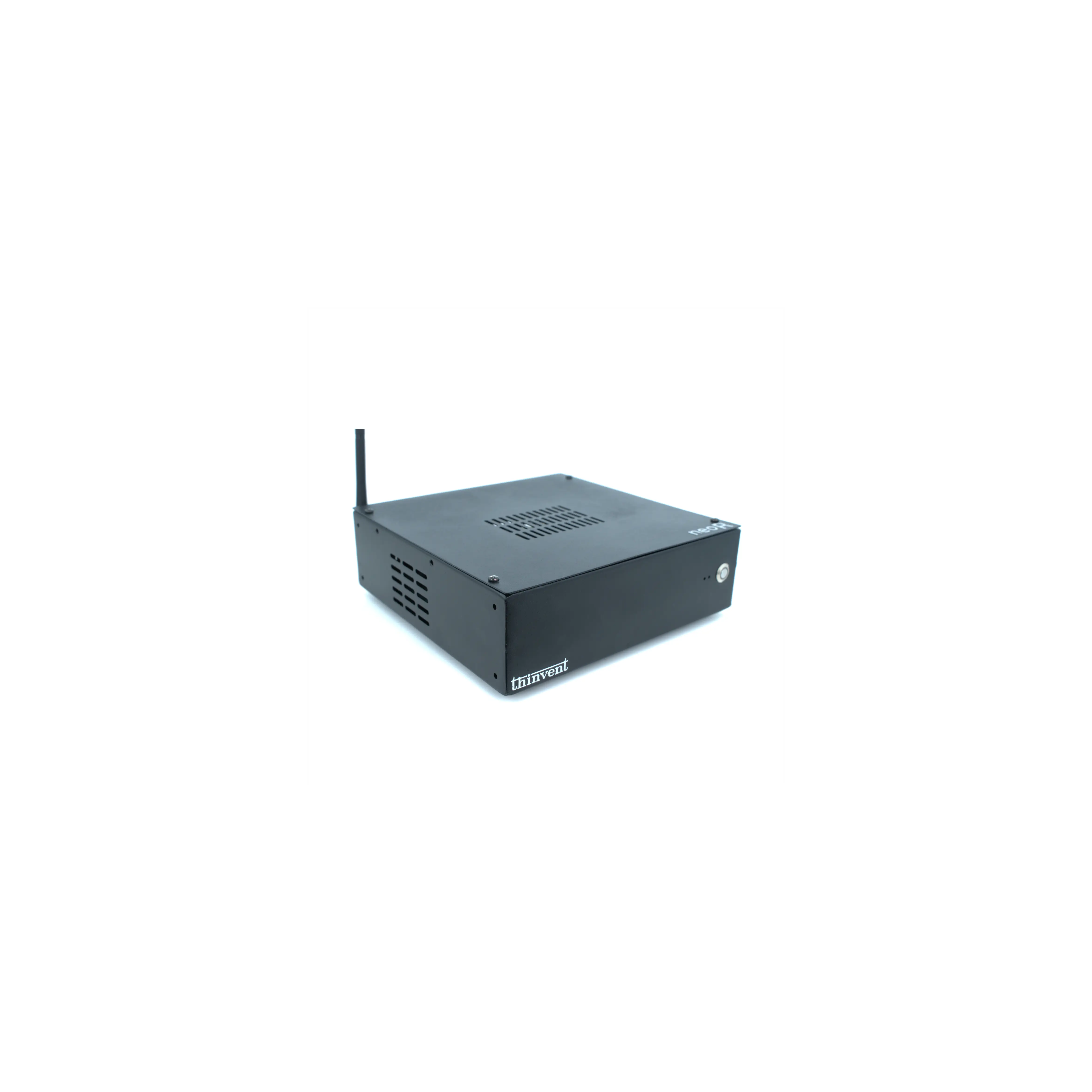
Cos'è un Processore Intel Core i5?
Il processore Intel Core i5 rappresenta il punto di riferimento per prestazioni equilibrate e affidabili in ambienti professionali e industriali. Posizionato tra le soluzioni entry-level e quelle ad alte prestazioni, offre un eccellente rapporto tra efficienza, potenza di calcolo e consumo energetico. Questi processori sono progettati per gestire carichi di lavoro multitasking impegnativi, elaborazione di dati in tempo reale e applicazioni che richiedono una potenza di calcolo consistente senza picchi estremi di consumo.
Specifiche Tecniche e Generazioni
I processori Core i5 sono disponibili in diverse generazioni, ciascuna con miglioramenti significativi in termini di architettura, efficienza e prestazioni integrate. Un esempio moderno è l'Intel Core i5-1250P di 12a generazione, che combina un design a core ibridi (Performance-core ed Efficient-core) per un'ottimizzazione intelligente del carico di lavoro. Le specifiche chiave includono:
-
Core/Thread: Fino a 12 core (4 P-core + 8 E-core) e 16 thread.
-
Frequenza Massima: Fino a 4.4 GHz con tecnologia Intel Turbo Boost.
-
Cache Intel Smart: Fino a 12 MB per un accesso rapido ai dati.
-
Grafica Integrata: Intel Iris Xe Graphics per un'elaborazione visiva accelerata.
-
Tecnologie Avanzate: Supporto per memoria DDR4/DDR5, Intel vPro® (in modelli specifici) per gestibilità e sicurezza aziendale, e Intel Thread Director per un'ottimizzazione del sistema operativo.
Applicazioni e Casi d'Uso
La combinazione di potenza ed efficienza rende i sistemi basati su Intel Core i5 ideali per una vasta gamma di applicazioni industriali e commerciali:
-
Automazione e Controllo Industriale: Per il funzionamento di software SCADA, HMI e PLC in ambienti di produzione.
-
Digital Signage e Chioschi Interattivi: Per la gestione fluida di contenuti multimediali ad alta risoluzione e interfacce touch.
-
Edge Computing e IoT: Per l'elaborazione e l'analisi dei dati alla fonte, riducendo la latenza e la dipendenza dal cloud.
-
Postazioni di Lavoro Compatte: Per uffici, call center o ambienti retail che richiedono prestazioni affidabili in un ingombro ridotto.
-
Sistemi Embedded Critici: Dove la stabilità a lungo termine, la gestione termica efficiente (spesso fanless) e l'affidabilità sono primarie.
Confronto Generazionale delle Prestazioni
La tabella seguente evidenzia i progressi chiave tra le generazioni recenti di processori Core i5 per ambienti embedded/industriali:
| Caratteristica | 10a Generazione (es. i5-10500H) | 11a Generazione (es. i5-1145G7) | 12a Generazione (es. i5-1250P) |
|---|---|---|---|
| Architettura | Comet Lake (Core convenzionali) | Tiger Lake (Core Sunny Cove) | Alder Lake (Core ibridi P+E) |
| Processo Produttivo | 14 nm | 10 nm SuperFin | 10 nm Enhanced SuperFin |
| Core/Thread (Tipici) | 6 core / 12 thread | 4 core / 8 thread | 12 core (4P+8E) / 16 thread |
| Grafica Integrata | Intel UHD Graphics | Intel Iris Xe Graphics | Intel Iris Xe Graphics (migliorata) |
| Memoria Supportata | DDR4 | DDR4 | DDR4 / DDR5 |
| Vantaggio Principale | Alta frequenza clock | Migliore efficienza e GPU | Massima efficienza multitasking e prestazioni per watt |
Soluzioni Thinvent con Processore Intel Core i5
Thinvent integra processori Intel Core i5 di ultima generazione nei suoi sistemi industriali robusti e compatti, progettati per