What is a Fanless Industrial Computer?
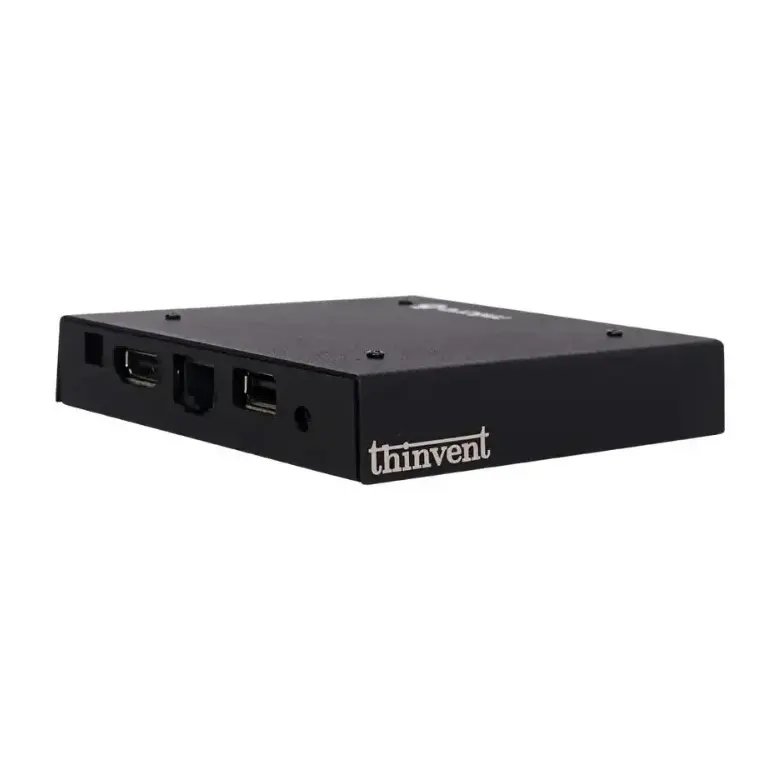
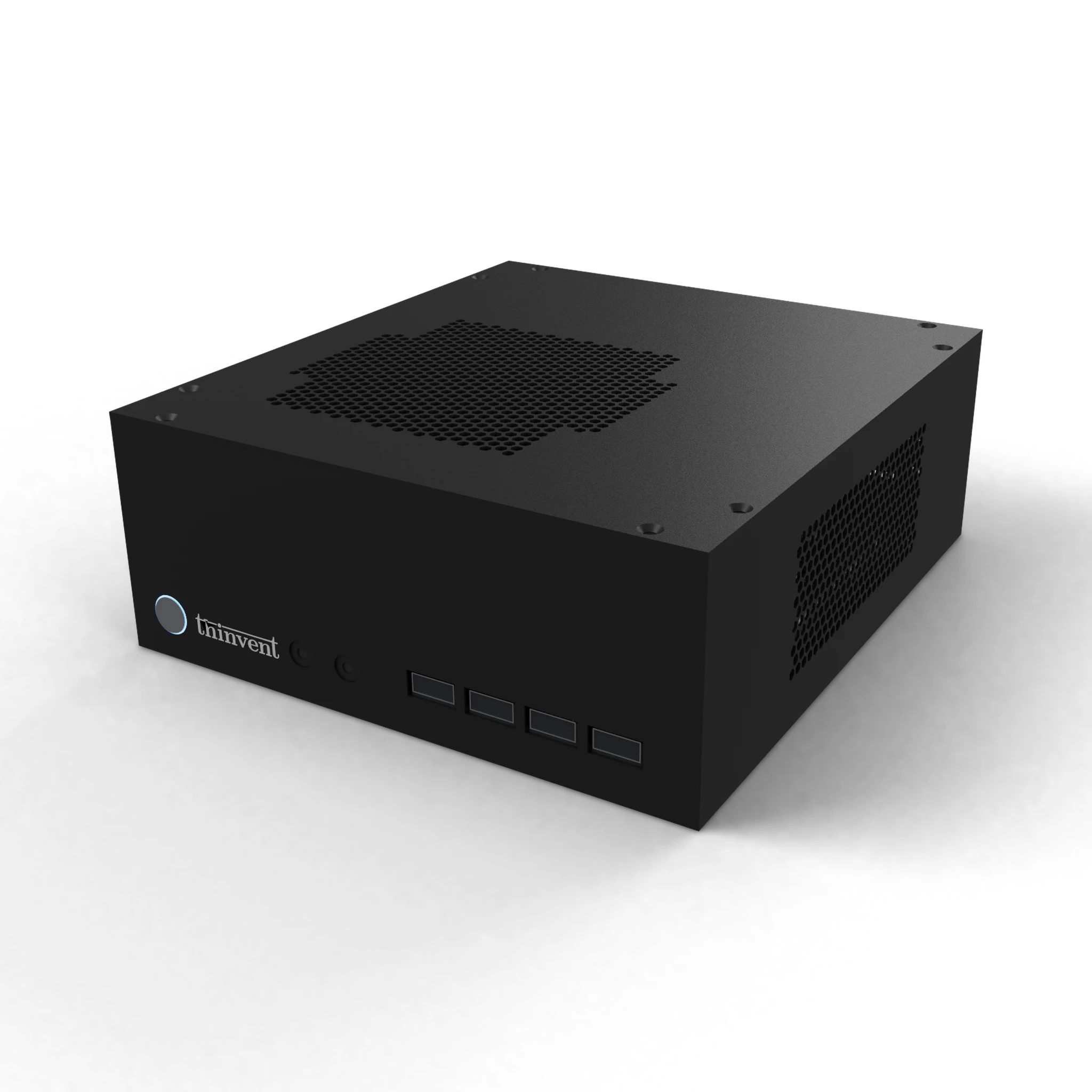
A fanless industrial computer is a specialized computing device designed for operation in harsh or demanding environments where traditional, fan-cooled PCs would fail. By eliminating moving parts like fans, these systems achieve superior reliability, silent operation, and resistance to dust, debris, and moisture. They rely on passive cooling techniques, such as advanced heat sinks and chassis designs, to dissipate heat, making them ideal for 24/7 operation in industrial automation, digital signage, and outdoor installations.
Key Specifications and Technical Advantages
The core of a modern fanless industrial PC is a low-power, high-efficiency processor, such as the Intel N-series. Key specifications that define these systems include:
-
Fanless Cooling: Enables silent, maintenance-free operation and protection against particulate ingress (IP-rated enclosures are common).
-
Rugged Design: Often features wide operating temperature ranges (e.g., -20°C to 60°C), shock and vibration resistance, and durable metal casings.
-
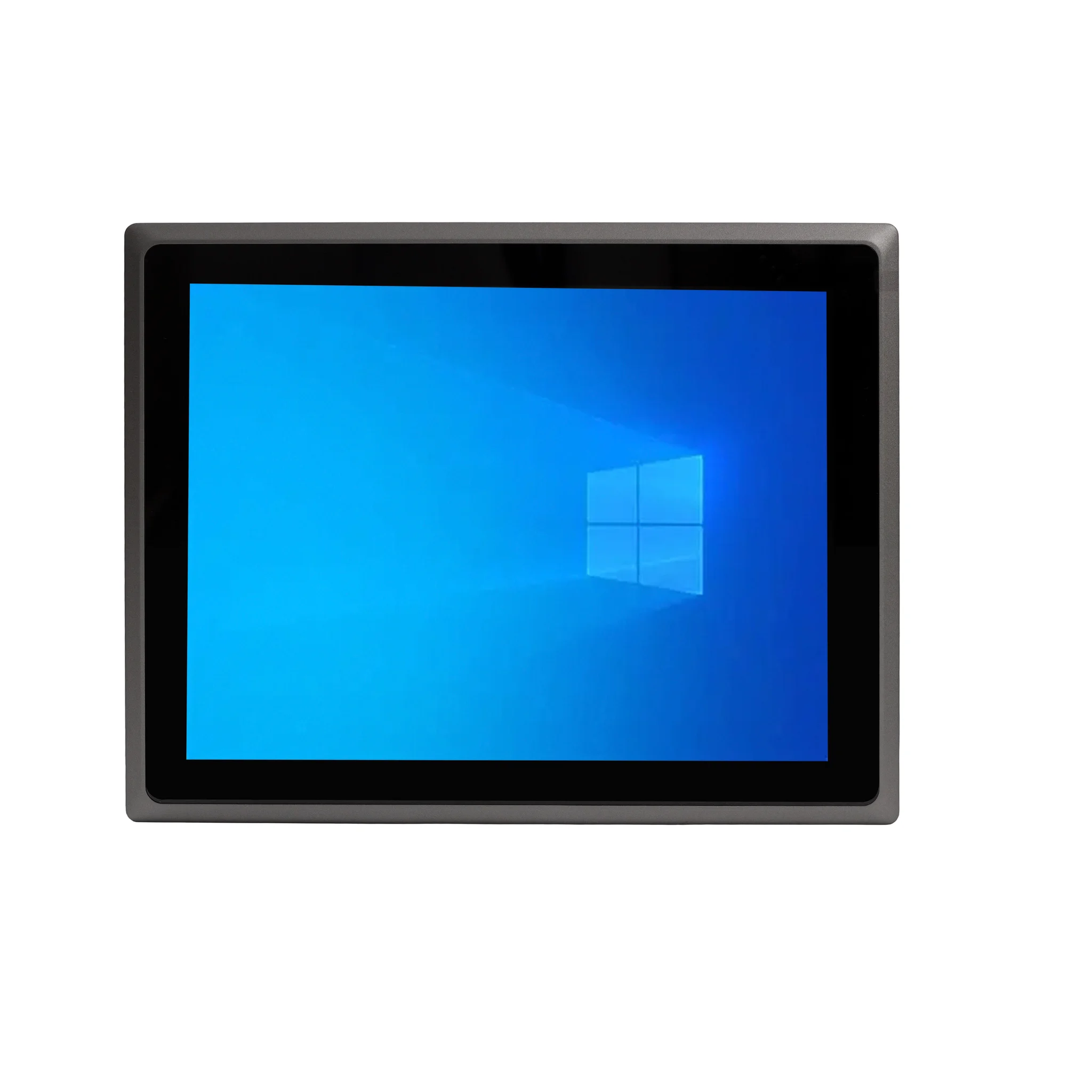
Compact Form Factors: Includes Mini PCs, Panel PCs, and Box PCs that save space in control cabinets or behind displays.
-
Rich I/O Connectivity: Multiple Ethernet ports (often with PoE), USB, serial ports (COM), and display outputs (HDMI, DP) for connecting to industrial peripherals.
-
Extended Lifespan Components: Use of industrial-grade memory, storage, and power supplies designed for long-term availability and stability.
Primary Use Cases and Applications
Due to their robustness, fanless computers are deployed in sectors where reliability is non-negotiable.
-
Factory Automation & IIoT: As PLCs, HMIs, or edge gateways on the factory floor, controlling machinery and collecting sensor data.
-
Digital Signage & Kiosks: Powering indoor and outdoor displays in retail, transportation, and public venues, often in thermally challenging locations.
-
Transportation & Fleet Management: In-vehicle computing for logistics, public transit, and maritime applications, withstanding constant vibration.
-
Thin Client & VDI: As durable endpoints in offices, hospitals, or call centers, connecting to centralized virtual desktops.
-
Surveillance & Security: Acting as network video recorders (NVRs) or processing units for IP camera systems in control rooms.
Comparison: Fanless vs. Traditional Industrial PCs
| Feature | Fanless Industrial PC | Traditional Fan-Cooled Industrial PC |
|---|---|---|
| Cooling Method | Passive (heat sinks) | Active (fans) |
| Noise Level | Silent | Audible fan noise |
| Dust & Debris Resistance | High (sealed design) | Lower (requires air filters) |
| Moving Parts | None | Fans, possible HDD |
| Typical Operating Temp Range | Wider (e.g., -20°C to 60°C) | Narrower |
| Maintenance | Minimal (no fan cleaning/replacement) | Requires periodic fan/ filter maintenance |
| Ideal For | Dirty, dusty, or silent environments; outdoor use | High-performance computing tasks requiring maximum cooling |
Thinvent Fanless Industrial Computing Solutions
Thinvent offers a comprehensive range of reliable fanless industrial computers engineered for challenging deployments. Our product lines, such as the Aero Mini PC series, exemplify this technology, featuring efficient Intel processors, robust metal chassis, and versatile connectivity options. From compact Mini PCs for space-constrained installations to powerful systems for edge computing, Thinvent designs its fanless solutions for longevity, stability, and seamless integration into professional and industrial environments worldwide.