What is a Gateway Computer?
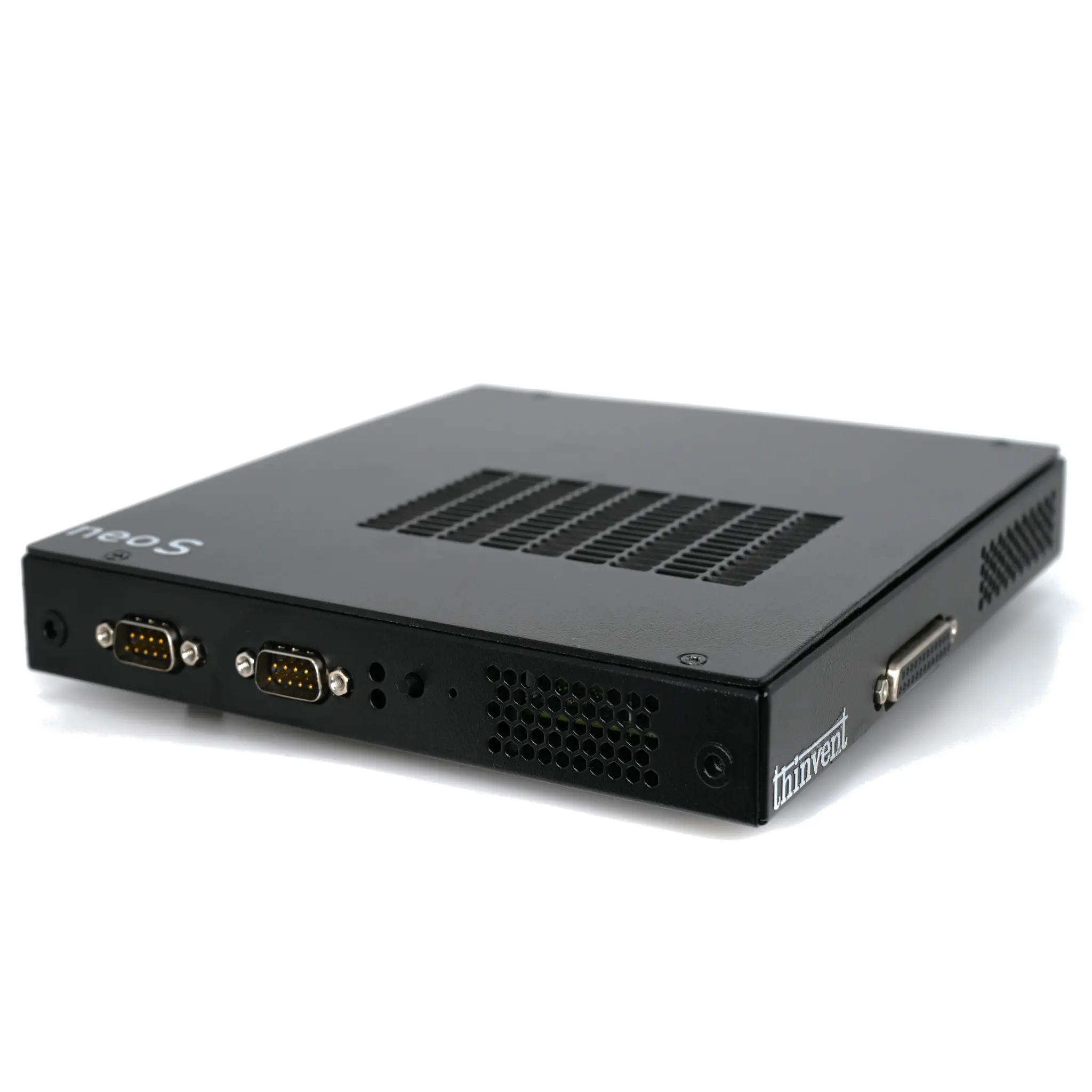
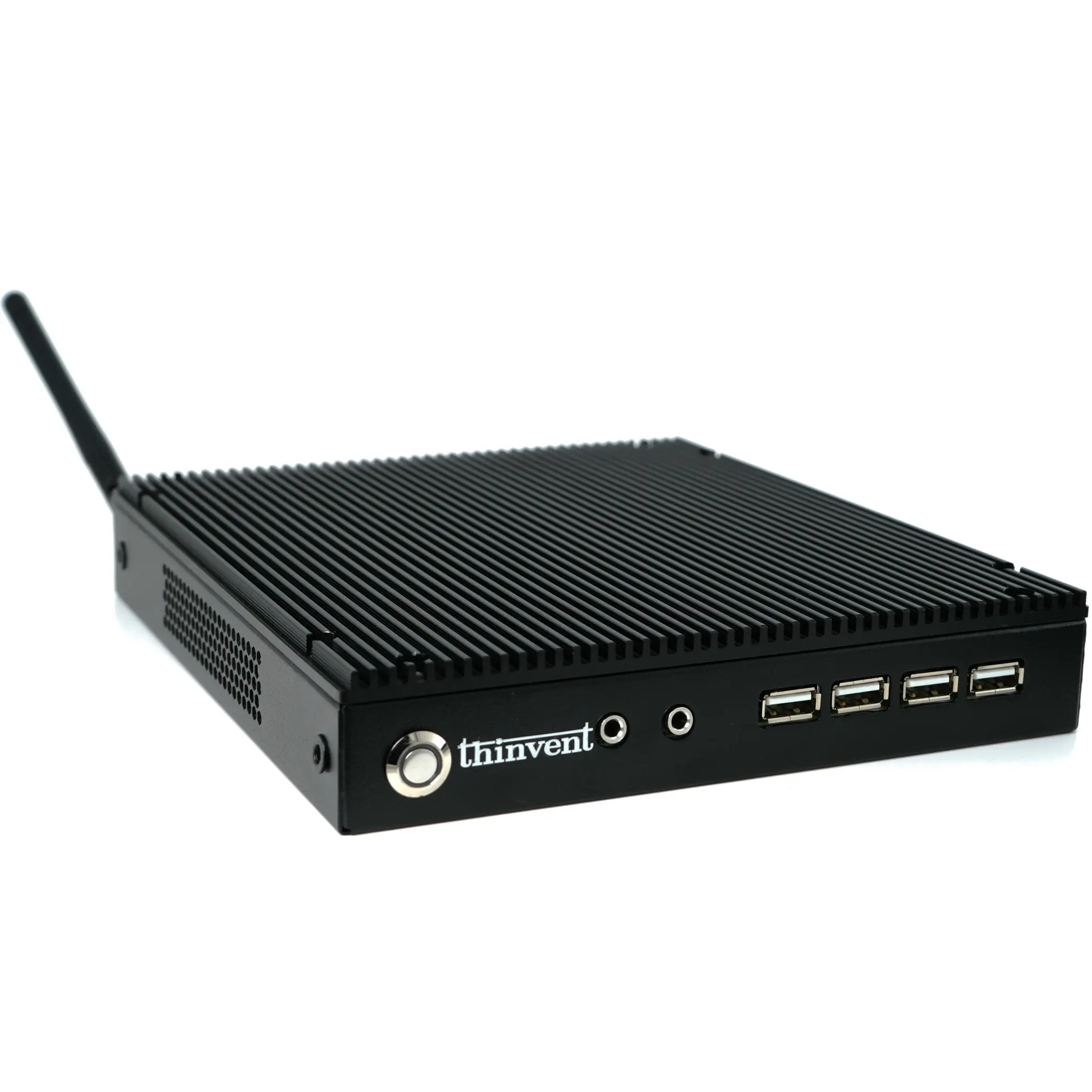
A gateway computer, often called an industrial gateway or edge gateway, is a specialized computing device that acts as a bridge between operational technology (OT) networks and information technology (IT) systems. It aggregates, processes, and securely transmits data from sensors, machines, and controllers in the field to central servers or cloud platforms. These devices are engineered for reliability in harsh environments, featuring fanless cooling, wide operating temperature ranges, and robust connectivity options.
Key Specifications and Technical Details
Industrial gateways are defined by their connectivity, processing power, and ruggedness. Key specifications include:
-
Processor: Modern gateways utilize efficient, low-power processors like the Intel N-series (e.g., N100) or higher-performance Intel Core i-series CPUs to handle data processing at the edge.
-
Memory & Storage: Typically equipped with 8GB to 16GB of RAM and solid-state storage (128GB to 512GB SSD) for local data buffering and application hosting.
-
Connectivity: A critical feature is the array of I/O ports, including multiple Gigabit Ethernet ports for network segmentation, serial ports (RS-232/485) for legacy industrial equipment, and USB ports for peripherals. Wireless options like Wi-Fi and cellular (4G/5G) are common.
-
Rugged Design: Built for 24/7 operation, they feature fanless, sealed enclosures to prevent dust ingress, support wide voltage input (9-36V DC), and operate in extended temperature ranges (often -20°C to 70°C).
Use Cases and Applications
Gateway computers are the backbone of Industrial IoT (IIoT) and automation, enabling smarter operations.
-
Industrial Automation: Connecting PLCs, HMIs, and sensors on the factory floor to SCADA and MES systems for real-time monitoring and control.
-
Edge Computing: Pre-processing sensor data (e.g., from vision systems or vibration sensors) locally to reduce latency and cloud bandwidth costs before sending only relevant insights.
-
Smart Cities & Infrastructure: Managing traffic systems, environmental sensors, and public utility networks, aggregating data from dispersed locations.
-
Retail & Digital Signage: Acting as a central hub for multiple displays, point-of-sale systems, and inventory management sensors.
Comparison: Gateway vs. Standard Industrial PC
| Feature | Industrial Gateway Computer | Standard Industrial PC |
|---|---|---|
| Primary Role | Network bridging, data aggregation, protocol translation | General-purpose computing, HMI, control |
| Connectivity Focus | High (Multiple LAN, serial, wireless modules) | Standard (Fewer dedicated industrial ports) |
| Form Factor | Often compact, wall-mountable, DIN-rail mountable | More varied (Mini PC, Panel PC, Box PC) |
| Processing Power | Sufficient for gateway tasks; can range from efficient to powerful | Can be configured for very high performance |
| Typical Environment | Field deployments, control cabinets, remote locations | Control rooms, kiosks, factory floors |
Thinvent Gateway Computing Solutions
Thinvent offers a robust range of industrial-grade gateway computers designed for demanding edge environments. Our solutions, like the featured Aero Mini PC series, combine the efficiency of Intel's latest N-series processors with a fanless, compact design ideal for space-constrained installations. They provide essential connectivity and reliable performance for data acquisition, protocol conversion, and edge analytics tasks. Built for continuous operation, Thinvent gateways ensure your critical data flows securely and reliably from the edge to your core systems, forming a dependable foundation for any IoT or industrial automation project.