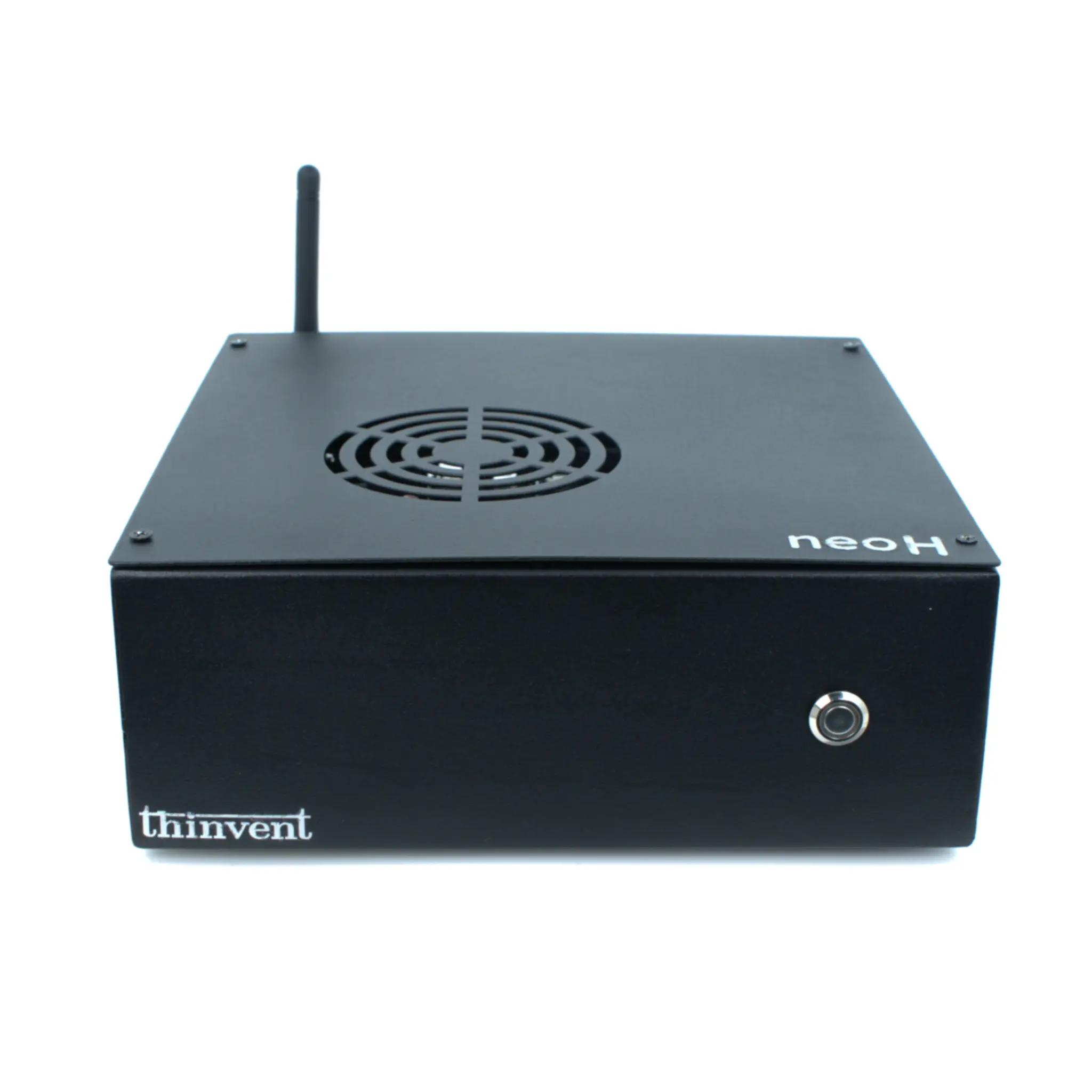
What Are Intel N100 Mini PCs For Industrial Computing?
Intel N100 Mini PCs are compact, fanless computing systems built around the Intel Processor N100, a 12th Gen Alder Lake-N series CPU designed for efficiency and reliability. These systems are engineered specifically for industrial environments where space, power consumption, heat, and durability are critical concerns. The Intel N100 processor, with its 4 cores, 4 threads, and a max turbo frequency of 3.4 GHz, delivers a balanced performance-per-watt ratio, making it ideal for continuous operation in demanding settings without active cooling.
Key Specifications & Technical Advantages
The core strength of an Intel N100-based industrial mini PC lies in its specifications tailored for embedded applications. The processor features a 6 MB Intel Smart Cache and a low 6W base power (cTDP). This ultra-low thermal design power (TDP) enables completely fanless operation, eliminating moving parts that are common points of failure due to dust, vibration, or moisture. Systems are typically configured with soldered or socketed DDR4 memory (e.g., 4GB to 8GB) and fast SSD storage (e.g., 128GB). I/O is robust, featuring multiple USB ports (including USB 3.2), dual or triple display outputs via HDMI/DisplayPort, Gigabit Ethernet, and often serial COM ports (RS-232/485) for legacy industrial device connectivity.
Ideal Use Cases and Applications
These mini PCs excel in a wide range of industrial and commercial automation scenarios. Their fanless, rugged design makes them perfect for Digital Signage and KIOSK systems in public spaces, Thin Client and VDI endpoints for secure corporate and manufacturing IT, and Edge Computing nodes for IoT data aggregation. They are also deployed in Industrial Automation for machine control, Transportation for in-vehicle infotainment and telematics, and Healthcare for medical imaging displays and monitoring stations. The reliability and small form factor allow for discreet mounting behind monitors or directly onto machinery.
Comparison: Intel N100 vs. ARM vs. Higher-End Intel Core
For industrial computing, choosing the right processor platform depends on the application's performance, software, and power requirements.
| Feature | Intel Processor N100 | ARM Cortex-A55 (Typical) | Intel Core i3/i5 (e.g., 12th Gen) |
|---|---|---|---|
| Architecture | x86-64 (Intel) | ARM (RISC) | x86-64 (Intel) |
| Performance | Balanced; good for general computing & light multitasking | Efficient for lightweight OS & specific tasks | High; for demanding applications & virtualization |
| Power/Thermals | Very Low (6W TDP); fanless designs | Extremely Low; passive cooling only | Moderate to High; often requires active cooling |
| Software Ecosystem | Full Windows 11/10, Linux support | Primarily Linux/Android, limited Windows | Full Windows & Linux support, broader compatibility |
| Ideal For | Rugged thin clients, digital signage, edge IoT | Ultra-low power displays, simple kiosks, embedded Linux projects | Heavy-duty automation, PLCs, AI inference, complex HMIs |
Thinvent's Intel N100 Industrial Computing Solutions
Thinvent offers a robust portfolio of industrial-grade mini PCs featuring the Intel Processor N100, designed for global deployment in harsh environments. Our Thinvent® Treo Mini PC and Thinvent® Industrial PC IPC1 series leverage this efficient CPU to provide reliable, fanless operation in compact form factors. These systems come pre-configured with options for Ubuntu Linux or our proprietary Thinux™ Embedded Linux, ensuring a stable and secure platform for dedicated applications. Built with industrial-grade components and tested for extended temperature ranges and 24/7 operation, Thinvent's N100 solutions deliver the durability, connectivity, and silent performance required for modern industrial automation, digital signage, and edge computing projects worldwide.