What is an Intel Core i3 3rd Generation Desktop?
An Intel Core i3 3rd Generation desktop refers to a computer system built around Intel's "Ivy Bridge" microarchitecture, launched in 2012. These processors, such as the i3-3220 or i3-3240, are dual-core CPUs with Hyper-Threading, providing four logical threads. They represent a mature, cost-effective platform known for reliable performance in basic computing tasks. While newer generations offer significant improvements in performance, power efficiency, and integrated graphics, 3rd Gen i3 systems remain viable for specific, less demanding industrial and commercial applications where longevity and stability are prioritized over cutting-edge speed.
Key Specifications and Technical Details
The defining feature of these systems is the 22nm Ivy Bridge processor. Key specifications typically include:
-
Cores/Threads: 2 cores, 4 threads with Hyper-Threading.
-
Integrated Graphics: Intel HD Graphics 2500.
-
Socket: LGA 1155.
-
Memory Support: DDR3 memory, with configurations often ranging from 4GB to 8GB.
-
Chipset: Compatible with Intel 7-series chipsets (e.g., H61, B75, H77).
-
Legacy Connectivity: These systems commonly feature older I/O like USB 2.0 ports, VGA/DVI display outputs, and SATA II for storage, though some motherboards may include USB 3.0 and SATA III.
Use Cases and Applications
Due to their age, 3rd Gen i3 desktops are not suited for modern high-performance computing, multimedia editing, or gaming. However, their reliability makes them appropriate for legacy-compatible and fixed-function roles:
-
Legacy System Replacement: Direct upgrades for older machines in environments where software or peripherals require specific older drivers or interfaces.
-
Basic Office and Terminal Work: Running lightweight office suites, web browsers, and terminal services for point-of-sale, information kiosks, or digital signage.
-
Industrial Control Systems: Operating dedicated machinery or process control software where the computing environment is static and has been validated on this hardware.
-
Thin Client Hosts: Serving as a low-cost host for virtual desktop infrastructure (VDI) or remote desktop sessions.
Comparison with Modern Entry-Level Options
| Feature | Intel Core i3 3rd Gen (e.g., i3-3220) | Modern Equivalent (e.g., Intel N100) |
|---|---|---|
| Launch Year | 2012 | 2023 |
| Process Node | 22nm | Intel 7 (10nm) |
| Cores/Threads | 2 Cores / 4 Threads | 4 Cores / 4 Threads |
| Max Turbo Frequency | ~3.3 GHz | Up to 3.4 GHz |
| TDP (Power Draw) | 55W | 6W |
| Integrated Graphics | Intel HD Graphics 2500 | Intel UHD Graphics |
| Memory Support | DDR3 | DDR4 / DDR5 |
| Modern I/O (USB 3.2, etc.) | Limited or None | Standard |
| Primary Advantage | Cost, Legacy Compatibility | Performance per Watt, Efficiency, Modern Features |
The table highlights that modern processors like the Intel N100 series offer similar or better multi-core performance in a fanless, ultra-low-power design with contemporary connectivity, making them a superior choice for most new deployments.
Thinvent's Modern Industrial Computing Solutions
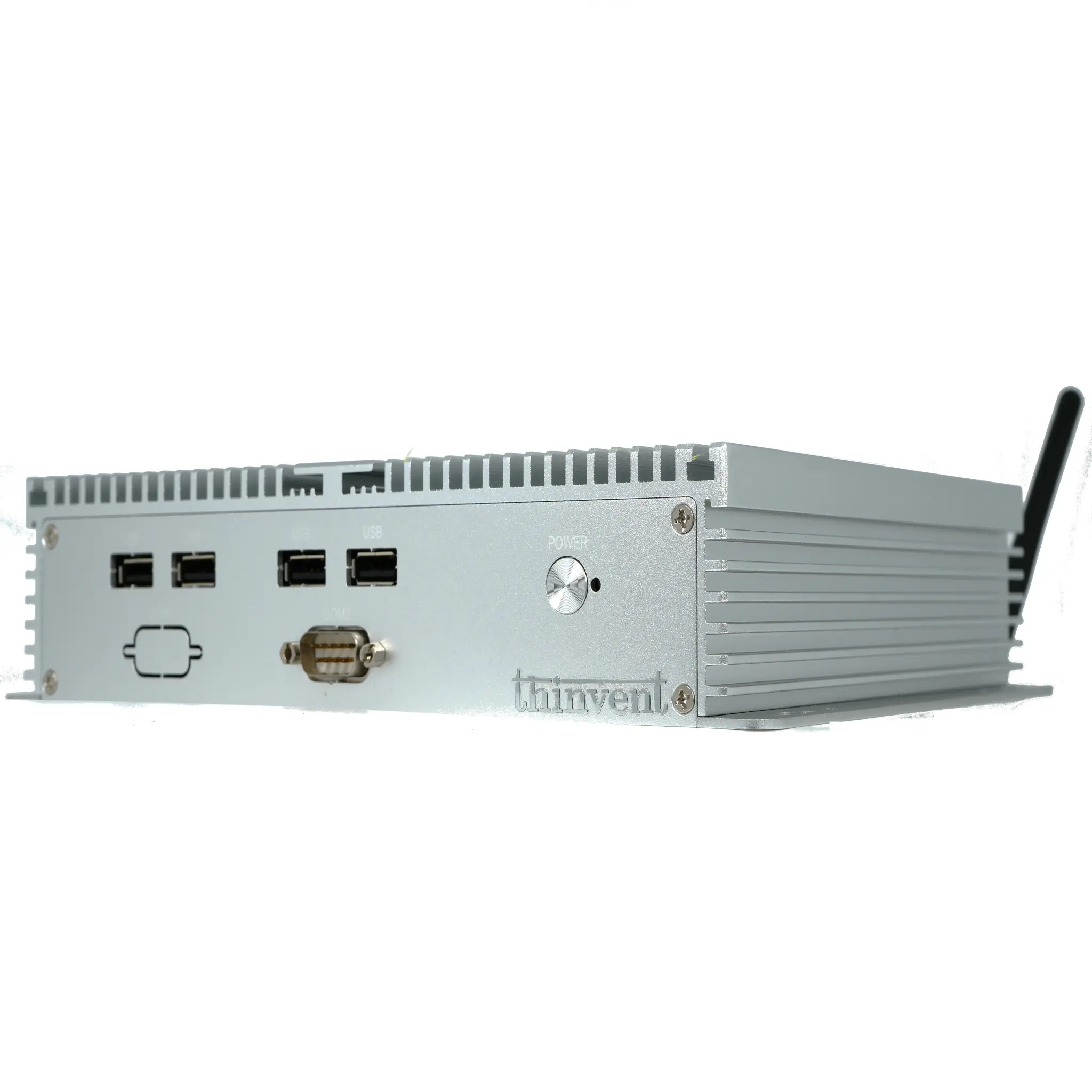
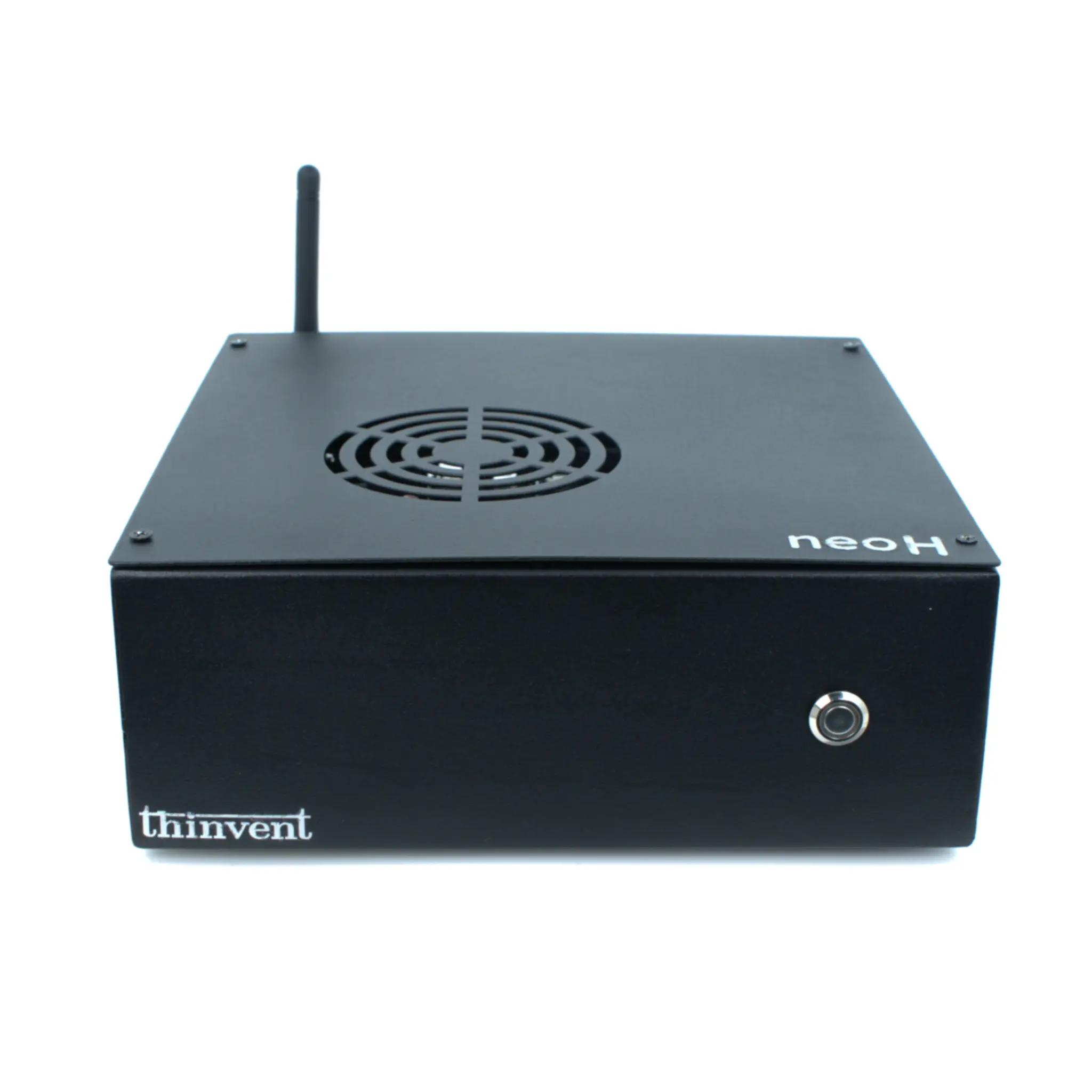
While Thinvent's current product portfolio focuses on modern, efficient hardware, we understand the need for reliable computing across generations. Our range of fanless industrial PCs and mini PCs are the ideal successors to older 3rd Gen i3 desktops. They provide robust, maintenance-free operation in harsh environments, superior energy efficiency, and modern I/O—all within a compact form factor. For users seeking the dependable performance profile of a classic desktop in a modern, industrial-grade package, exploring our systems based on Intel's latest Celeron, Pentium, and Core series processors is recommended.