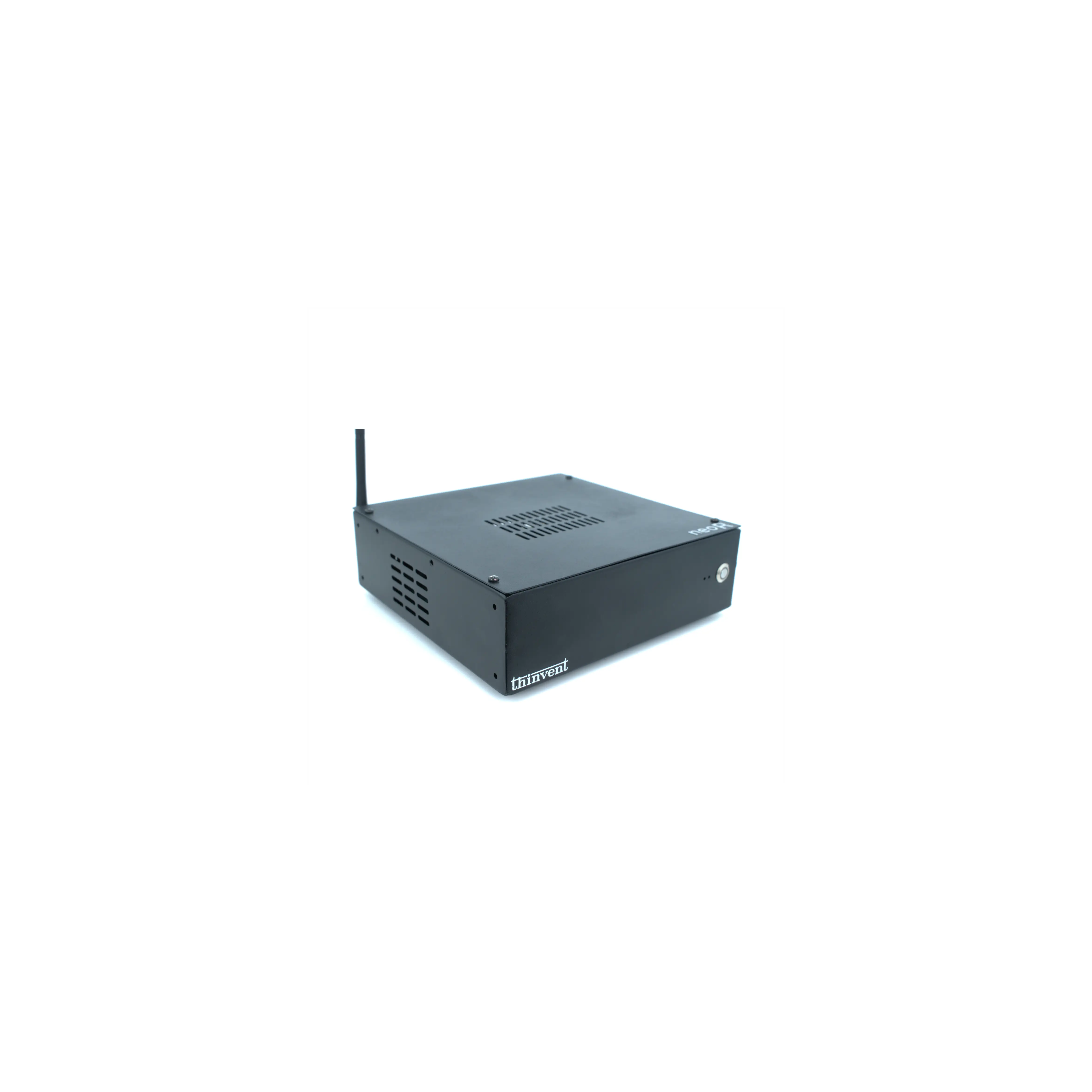
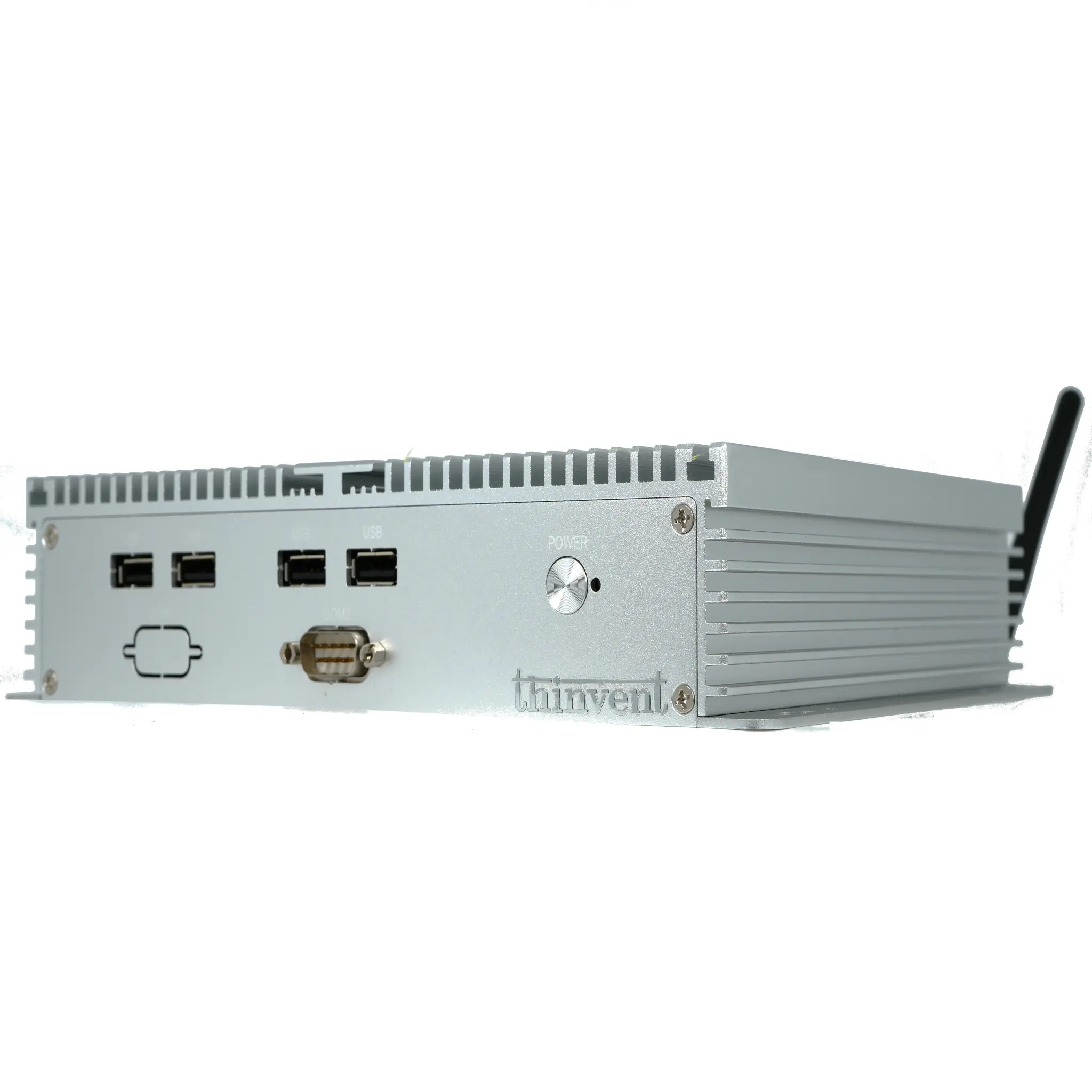
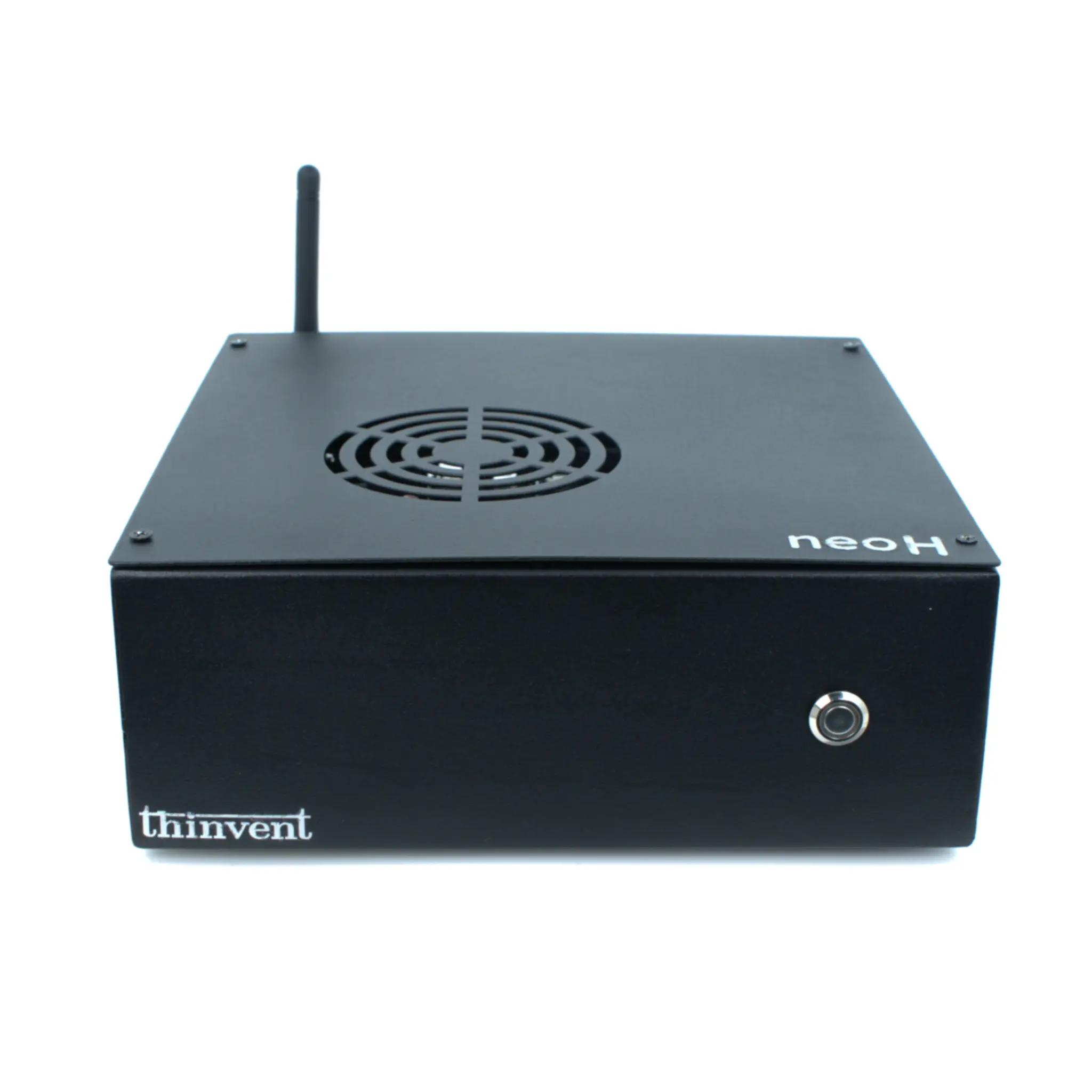
I computer industriali equipaggiati con CPU Intel Core i3 di 13a Generazione rappresentano un punto di equilibrio ideale tra prestazioni, efficienza energetica e affidabilità per una vasta gamma di applicazioni professionali. Basati sull'architettura Raptor Lake di Intel, questi processori offrono un significativo salto generazionale, integrando core ad alte prestazioni (P-core) e core efficienti (E-core) in un design ibrido. Il modello i3-1315U, comune in questa categoria, vanta 6 core (2 P-core + 4 E-core), 8 thread, una frequenza turbo fino a 4.5 GHz e una cache intelligente di 10 MB. Questa configurazione garantisce una reattività eccellente per carichi di lavoro multi-thread e un consumo energetico ottimizzato, rendendoli adatti per ambienti operativi continui.
Specifiche Tecniche e Vantaggi
Le caratteristiche principali di questi sistemi includono:
-
Processore: Intel Core i3-1315U (13a Gen, 6 core, fino a 4.5 GHz).
-
Architettura Ibrida: Combina core Performance e Efficient per un bilanciamento ottimale tra potenza e consumo.
-
Grafica Integrata: Intel UHD Graphics per un'elaborazione visiva fluida senza necessità di scheda video dedicata.
-
Memoria: Supporto per DDR4 ad alta velocità, configurabile da 4GB a 64GB a seconda del modello.
-
Archiviazione: Unità a stato solido (SSD) M.2 per avvii rapidi del sistema e trasferimento dati veloce.
-
Robustezza: Costruiti per durare, spesso con design fanless per un'operazione silenziosa e senza polvere, e un ampio range di temperature operative.
Applicazioni e Casi d'Uso
Grazie al loro profilo equilibrato, i PC industriali con i3-13a Gen sono perfetti per:
-
Automazione Industriale e Controllo Macchine: Gestione di PLC, interfacce HMI e sistemi SCADA.
-
Point of Sale (POS) e Chioschi Interattivi: Elaborazione transazioni, display digitale e interazioni con clienti.
-
Sorveglianza e Sicurezza: Elaborazione video per sistemi NVR e dashboard di monitoraggio.
-
Digital Signage e Display Pubblicitari: Gestione di contenuti multimediali su singoli schermi o reti.
-
Uffici e Ambienti Light-Creative: Postazioni di lavoro generali, terminali per software gestionali e applicazioni di produttività.
Confronto con Generazioni Precedenti
Rispetto alle generazioni precedenti di CPU i3, la 13a offre miglioramenti tangibili:
| Caratteristica | 13a Generazione (es. i3-1315U) | Generazioni Precedenti (es. 11a/12a Gen) |
|---|---|---|
| Architettura Core | Ibrida (P-core + E-core) | Tradizionale (Solo P-core su i3 più vecchi) |
| Numero Core/Thread | Fino a 6 core / 8 thread | Tipicamente 2 core / 4 thread o 4 core / 8 thread |
| Frequenza Turbo | Fino a 4.5 GHz e oltre | Generalmente inferiore |
| Efficienza Energetica | Migliorata grazie ai core E-core | Standard per l'epoca |
| Grafica Integrata | Intel UHD Graphics (migliorata) | Intel UHD Graphics |
Soluzioni Thinvent con CPU i3 di 13a Generazione
Thinvent offre una gamma completa di computer industriali, mini PC e all-in-one basati sul potente e efficiente processore Intel Core i3-1315U di 13a Generazione. La nostra linea si adatta a diverse esigenze di implementazione:
-
Thinvent® Treo & Aero Mini PC: Soluzioni compatte e versatili per digital signage, chioschi e postazioni di lavoro leggere, disponibili con varie configurazioni di RAM e storage.
-
**Thin