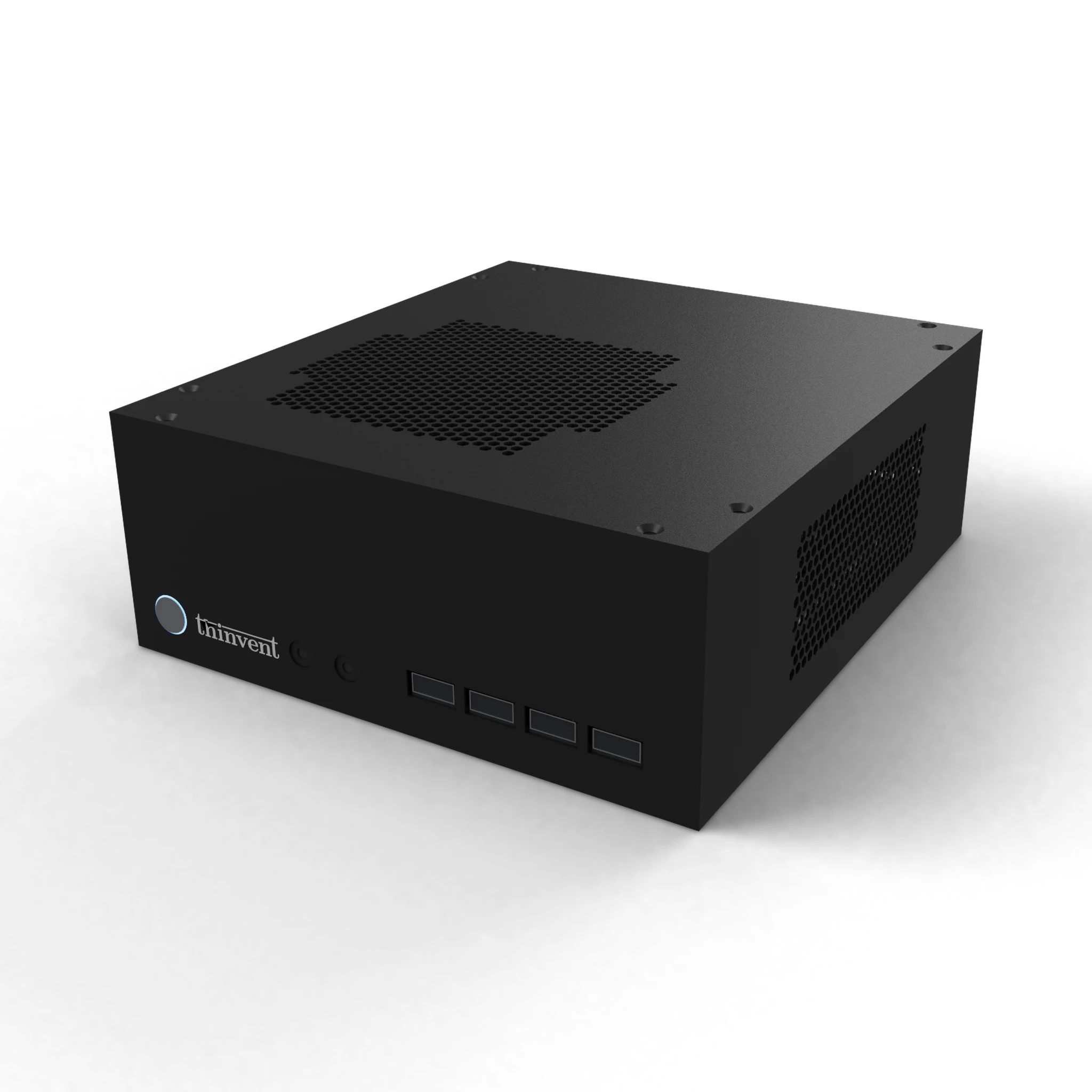
What Are Mini Computers?
Mini computers, also known as mini PCs, are compact computing devices that deliver the essential functionality of a traditional desktop PC in a significantly smaller form factor. They are designed to save space, reduce power consumption, and offer versatile mounting options while maintaining reliable performance for a wide range of business and industrial applications. These systems typically feature modern processors, solid-state storage, and multiple connectivity ports, all housed in a chassis that can fit in the palm of your hand.
Key Specifications and Technical Details
Modern mini computers are built with efficiency in mind. Common specifications include low-power Intel processors like the N-series (e.g., Intel N100), which offer 4 cores and high clock speeds suitable for everyday computing. They are often equipped with DDR4 RAM (commonly 8GB or 16GB) and fast SSD storage (128GB to 512GB). A defining feature is their fanless or ultra-quiet cooling design, which enhances reliability by eliminating moving parts that can fail. Standard connectivity includes multiple USB ports (including USB 3.2 and Type-C), HDMI outputs for dual displays, and Gigabit Ethernet for stable network connections. They typically operate on low-voltage DC power (e.g., 12V), making them energy-efficient.
Use Cases and Applications
The small size and robust build of mini computers make them ideal for environments where space is at a premium or where a discreet, reliable computer is needed. Common applications include:
-
Digital Signage & Kiosks: Powering interactive displays in retail, hospitality, and public spaces.
-
Office Workstations: Providing a clutter-free desktop experience for general office productivity, web browsing, and communication software.
-
Industrial Automation: Serving as a control unit in manufacturing, embedded within machinery due to their rugged, fanless designs.
-
Thin Client & VDI: Acting as endpoints for virtual desktop infrastructure, centralizing management and security.
-
Home Entertainment: Functioning as a compact media center or home theater PC (HTPC).
Comparison of Common Mini PC Form Factors
| Feature | Standard Mini PC | Ultra-Compact / Stick PC | Industrial Panel PC |
|---|---|---|---|
| Typical Size | Small box (e.g., 150 x 150 x 50mm) | USB stick-sized | Integrated with display |
| Performance | Good for general computing | Basic tasks, media streaming | Varies, often ruggedized |
| Expandability | Moderate (some allow RAM/SSD upgrade) | Very Limited | Integrated, limited |
| Mounting | VESA mount, desktop | Directly behind monitor | Panel or wall mount |
| Best For | Office, digital signage, light-duty | Digital signage, space-critical displays | HMI, control panels, kiosks |
Thinvent Mini Computers
Thinvent offers a range of high-performance, reliable mini computers designed for commercial and industrial use. Our Aero series, for example, features the efficient Intel N100 processor in a compact, fanless chassis, ensuring silent operation and long-term durability. These systems come configured with ample RAM and SSD storage and support a variety of operating systems, including Windows 11, Ubuntu Linux, and our own Thinux™ embedded platform, providing flexibility for different project requirements. Built with quality components and designed for 24/7 operation, Thinvent mini PCs are a trusted solution for businesses worldwide seeking space-saving and dependable computing power.