Understanding Intel 64-Core Processors for Industrial Computing
The query "Intel 64 Cores" refers to industrial computing systems powered by Intel processors with a high core count, designed for demanding parallel processing workloads. While a true 64-core desktop processor exists in Intel's Xeon W series, industrial PCs more commonly utilize high-core-count variants from the Intel Core i5, i7, and i9 families, which offer an optimal balance of performance, power efficiency, and thermal design for embedded applications. These multi-core processors are engineered to handle intensive tasks by distributing workloads across multiple processing threads, significantly boosting computational throughput for specialized industrial use cases.
Key Specifications and Technical Advantages
Industrial computers with high-core-count Intel processors, such as the 10-core Intel Core i5-1335U, deliver substantial performance through a combination of Performance-cores (P-cores) and Efficient-cores (E-cores). Key technical benefits include:
-
Enhanced Multitasking: Simultaneously run multiple virtual machines, complex simulations, or data analytics software without performance degradation.
-
Improved Energy Efficiency: Modern Intel architectures, like those in the 13th and 14th generations, provide more computational power per watt, which is critical for 24/7 operations.
-
Integrated Graphics: Intel Iris® Xe graphics support multiple high-resolution displays, useful for digital signage, control room dashboards, and light CAD work.
-
Reliable Fanless Design: Many industrial models leverage passive cooling, making them impervious to dust and ideal for harsh environments where reliability is paramount.
Applications and Use Cases
High-core-count Intel industrial PCs are deployed in scenarios requiring robust, uninterrupted data processing.
-
Industrial Automation & Control: Managing complex PLC systems, robotics, and real-time monitoring of production lines.
-
Edge Computing and AI: Pre-processing data from IoT sensors, running machine learning inference, and computer vision at the network edge.
-
Digital Signage & Media Servers: Driving multiple 4K displays in transportation hubs, retail environments, or entertainment venues.
-
Network Appliances: Serving as high-performance firewalls, routers, or network storage (NAS) solutions.
Comparison of Common High-Core-Count Intel Processors in Industrial PCs
| Processor Model | Cores/Threads | Max Turbo Frequency | Typical Use Case in Industrial Setting |
|---|---|---|---|
| Intel Core i5-1335U | 10 Cores / 12 Threads | Up to 4.6 GHz | Versatile workhorse for automation, edge servers, and multi-display setups. |
| Intel Core i7-1365U | 10 Cores / 12 Threads | Up to 5.2 GHz | Enhanced performance for demanding analytics, virtualization, and AI workloads. |
| Intel Core i5-1250P | 12 Cores / 16 Threads | Up to 4.4 GHz | High-throughput processing for data gateways, telecom, and intensive computational tasks. |
Thinvent's High-Performance Industrial Computing Solutions
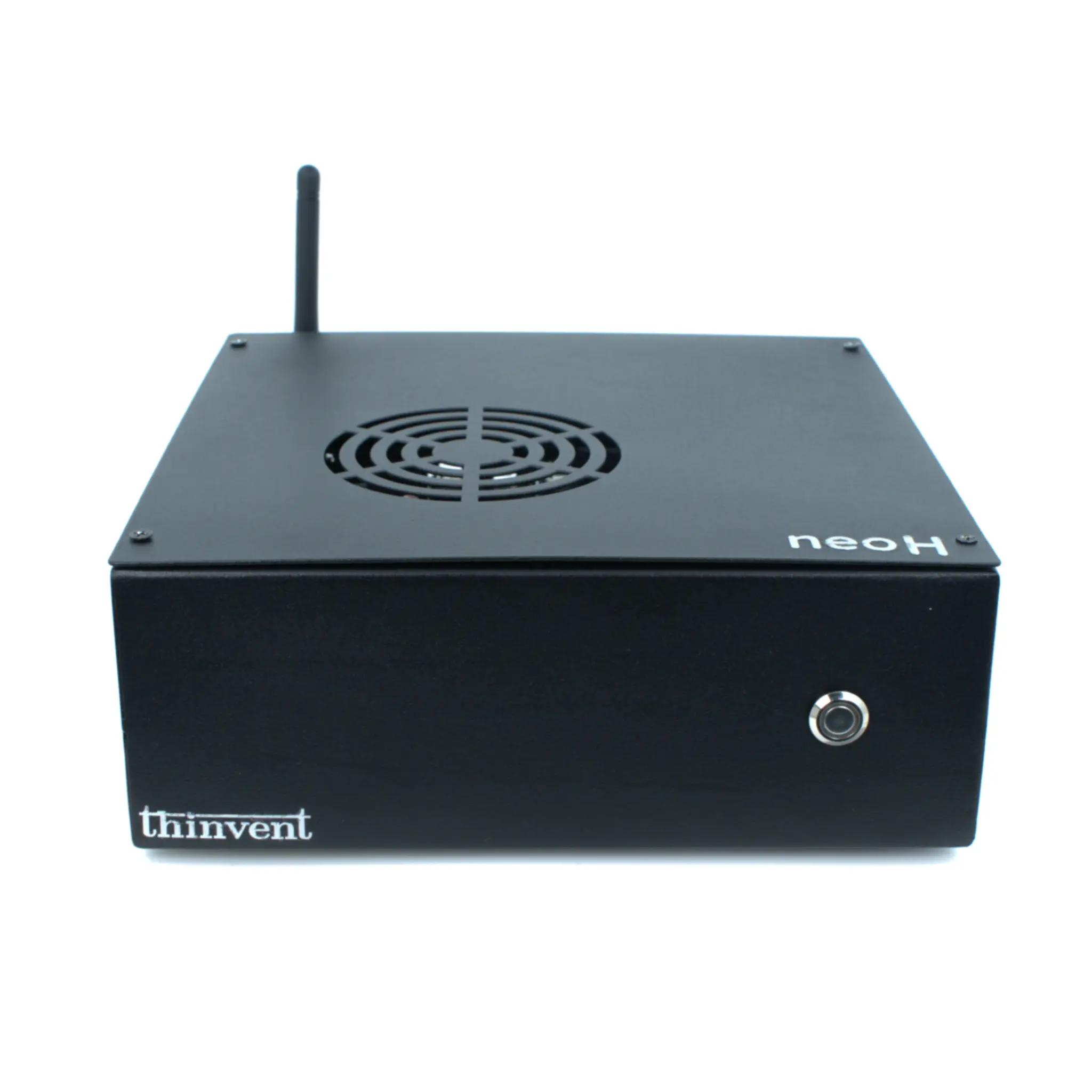
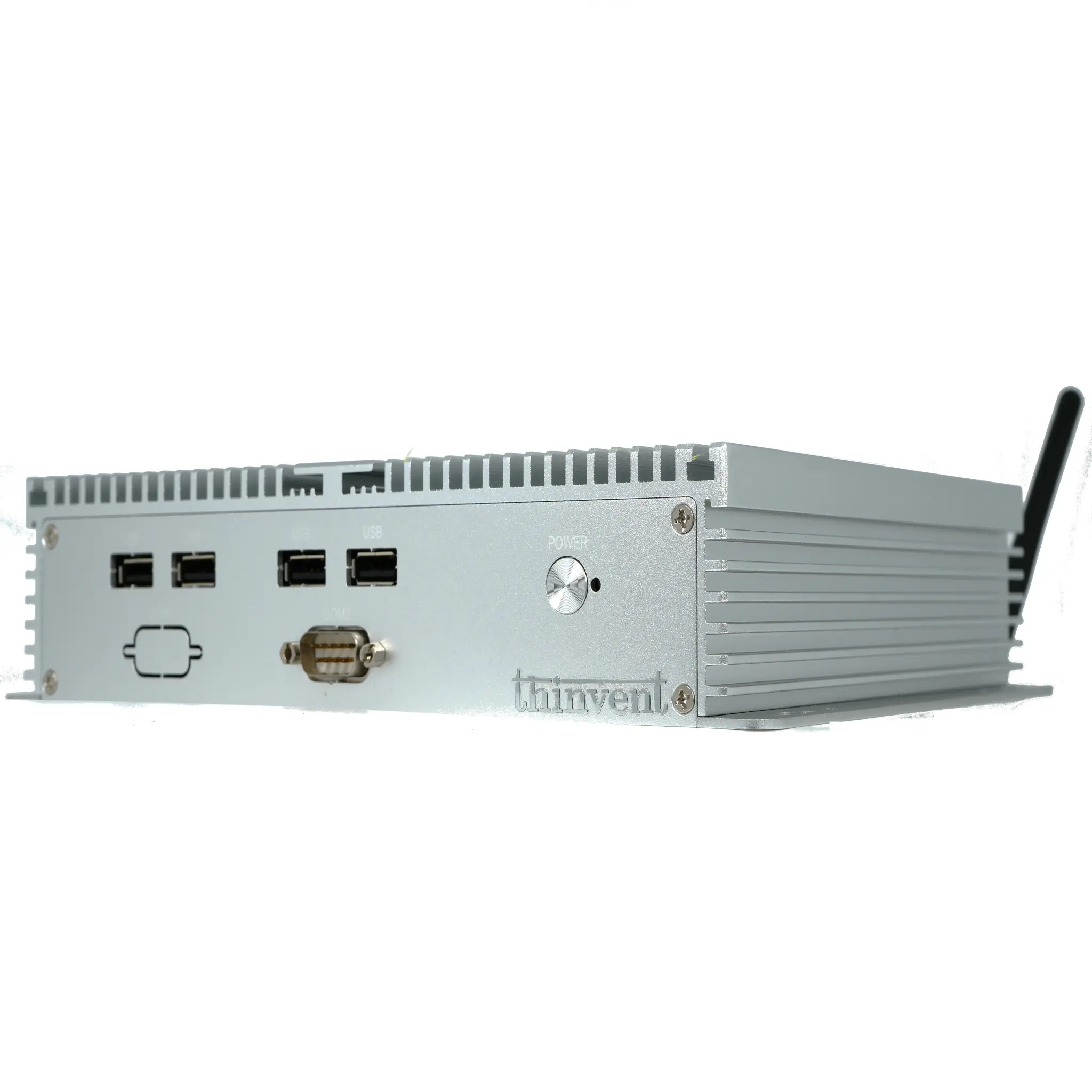
Thinvent offers a robust range of industrial computers powered by high-core-count Intel processors, designed for reliability in challenging operational environments. Our product lines, including the Aero Mini PC series, feature fanless chassis, wide operating temperature ranges, and support for high-capacity DDR4/DDR5 RAM. These systems are configurable with various storage options, operating systems (Windows, Linux, or without OS), and connectivity ports to meet specific project requirements. Whether for edge AI, factory automation, or digital signage, Thinvent provides the computational power and durability needed for mission-critical applications worldwide.