Intel numbers its laptop processors by generation, and that number is the first digit of the model name. A 13th Gen part such as the Core i7-1355U starts with 13; a 10th Gen part starts with 10. The generation tells you the design family, and the digits after it tell you the tier and the model within that family.
How to read a processor generation number
The generation is a design family, not a fixed speed. Intel has released laptop processor generations in sequence from 1st Gen through the Core Ultra era. Each generation brings a new set of model numbers, so the same model number never repeats across two generations. A Core i7-1355U and a Core i7-1255U are different parts from different generations even though the tier name matches.
What generations exist today
Intel's own generation list and laptop comparison chart are the reference for which generations are current. The naming scheme has moved from plain numbers to the Core Ultra brand for the newest families. Buyers who need the exact list of generations and model numbers should check the Intel processor comparison chart, which lists laptop processors with their features and specifications.
Why the generation matters less than the model
Two processors from the same generation can differ widely in cores, cache and clock speed. A model with a U suffix is built for lower power draw; an H or P suffix model runs at higher power. For most office, kiosk and thin-client work, the model number and core count matter more than the generation label alone.
| What to check | Why it matters |
|---|---|
| Model number | Identifies the exact part and its generation |
| Core count | Sets how many tasks run at once |
| Cache size | Affects how quickly repeated work is handled |
| Max frequency | Sets peak speed for short bursts |
Thinvent products and processor generations
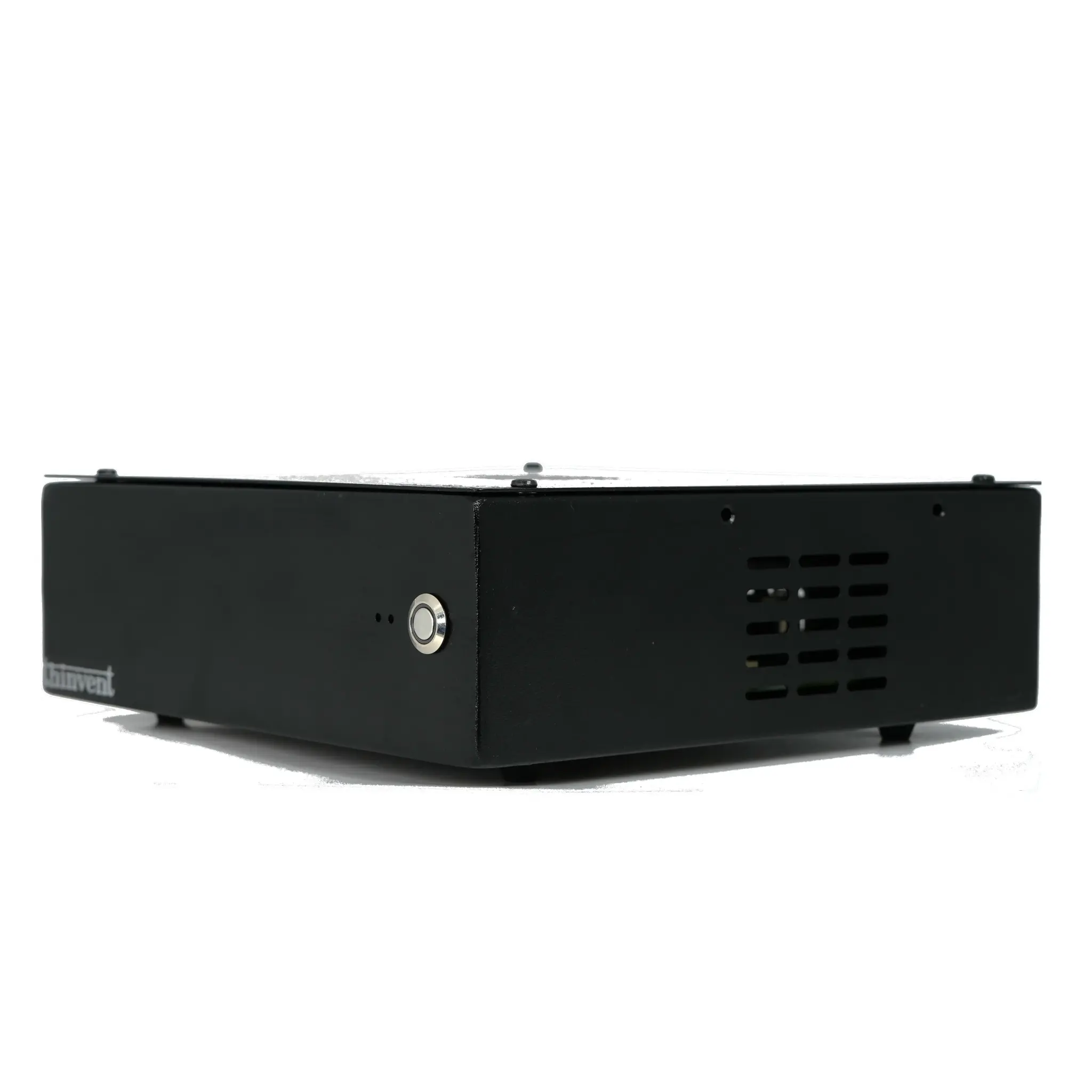
The Thinvent range on this page does not include a 17th generation processor. The range uses Intel Celeron J1900 processors, listed as 7th generation, with 4 cores, up to 2.4 GHz and 2 MB cache. The Thinvent® Neo S Thin Client carries this processor with 4 GB or 8 GB DDR3 RAM and 32 GB MLC SSD, 128 GB SSD or 256 GB SSD storage. Operating system options are Windows 11 Pro, Ubuntu Linux and Without OS. The Neo S has no WiFi and runs from a 19V adapter. A buyer who needs a thin client for desktop virtualisation, data entry or terminal work gets a fixed, known configuration from this range.