Latest Intel Processors for Modern Computing
The latest generation of Intel processors for PCs represents a significant leap in performance, efficiency, and integrated capabilities. As of now, Intel's 12th, 13th, and 14th generation Core processors (Alder Lake, Raptor Lake, and Meteor Lake/Raptor Lake Refresh) are at the forefront, alongside the efficient Intel Processor N-series. These CPUs are built on advanced architectures that combine high-performance cores (P-cores) with high-efficiency cores (E-cores) in desktop models, delivering exceptional multitasking and power efficiency. For compact and industrial systems, the latest Intel Processor N-series, such as the N100, offers a balance of capable performance and remarkably low power consumption in a fanless design.
Key Specifications and Technical Details
Modern Intel processors are defined by several key advancements. Core counts have increased substantially, with high-end desktop chips featuring over 20 cores. Integrated Intel Xe graphics provide improved visual performance for everyday tasks and light gaming. Support for the latest DDR5 memory and PCIe 5.0 interfaces ensures future-proof bandwidth for storage and expansion. A critical feature for industrial applications is the availability of low-power, fanless options like the Intel Processor N100, which features 4 efficient cores, a max turbo frequency of 3.4 GHz, and a 6 MB cache, all while operating within a very low thermal design power (TDP) envelope.
Ideal Use Cases and Applications
The latest Intel processors cater to a wide spectrum of applications. High-performance Core i7 and i9 chips are perfect for demanding workloads like video editing, 3D rendering, and scientific computing. Mainstream Core i3 and i5 processors power efficient office workstations, point-of-sale systems, and digital signage. The Intel Processor N-series, exemplified by the N100, is specifically engineered for space-constrained, always-on, and silent environments. Its primary applications include:
-
Digital Signage & Kiosks: Reliable, fanless operation for 24/7 display content.
-
Thin Clients & VDI: Efficiently handles virtual desktop workloads.
-
Edge Computing & IoT Gateways: Processes data locally with low power draw.
-
Lightweight Office PCs: Provides ample performance for productivity software, web browsing, and communication apps.
Thinvent Products Featuring Latest Intel Technology
Thinvent leverages these cutting-edge Intel processors to build robust, reliable industrial computing solutions. Our product line emphasizes durability, silent operation, and versatile deployment options.
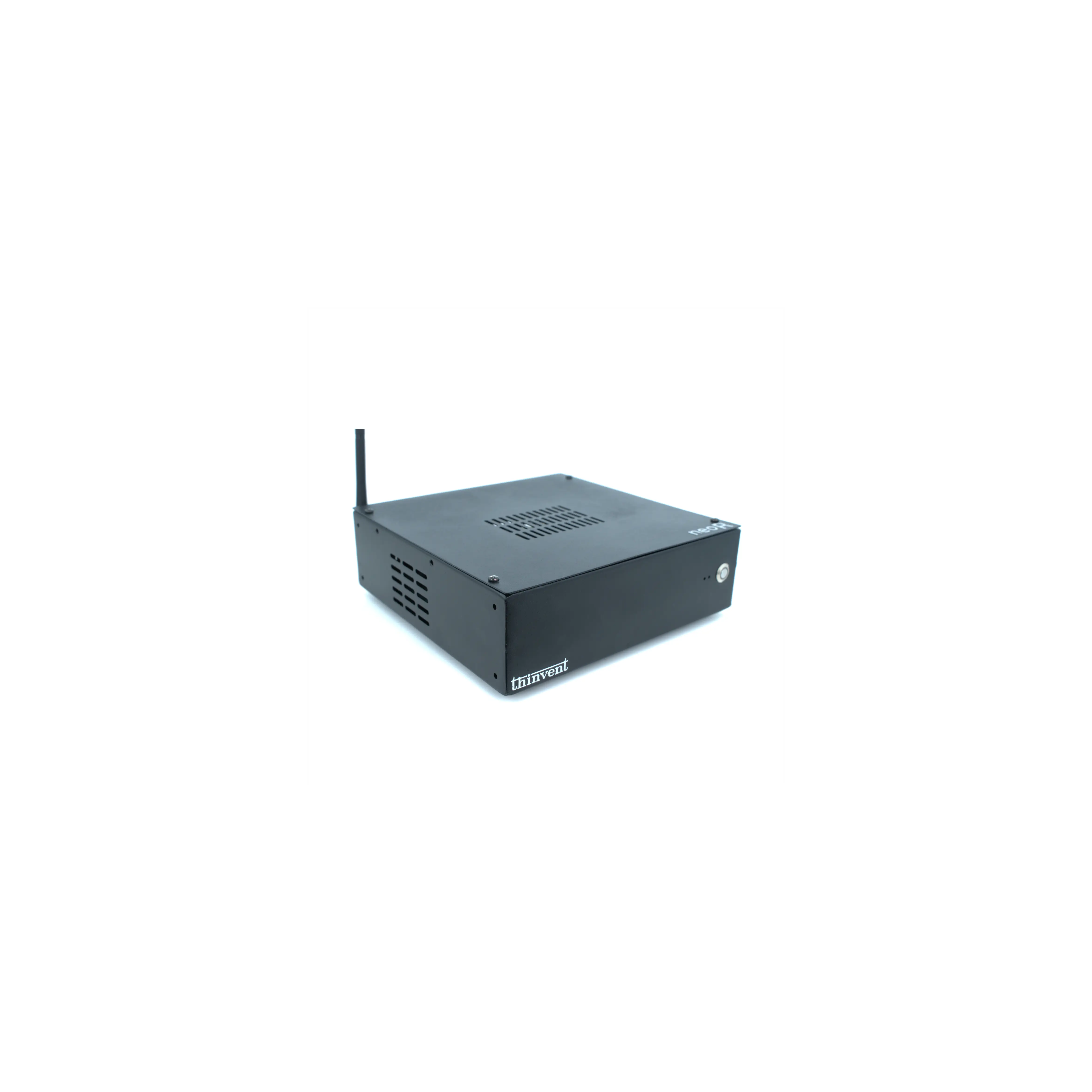
A prime example is the Thinvent Aero Mini PC, powered by the latest 12th Generation Intel Processor N100. This compact system encapsulates modern efficiency:
-
Processor: Intel Processor N100 (4 cores, up to 3.4 GHz, 6 MB Cache)
-
Memory: 16GB DDR4 RAM for smooth multitasking.
-
Storage: 128GB SSD for fast boot times and responsive operation.
-
Design: Fanless cooling for silent, dust-resistant, and maintenance-free operation.
-
OS Flexibility: Available with Windows 11 IoT, Windows 11 Pro, DOS, or various Linux distributions (Ubuntu, Thinux™) to suit any project requirement.
The Aero Mini PC is an ideal platform for deploying the latest Intel efficiency-core technology in commercial and industrial settings, offering a perfect blend of modern performance, reliability, and compact form factor.