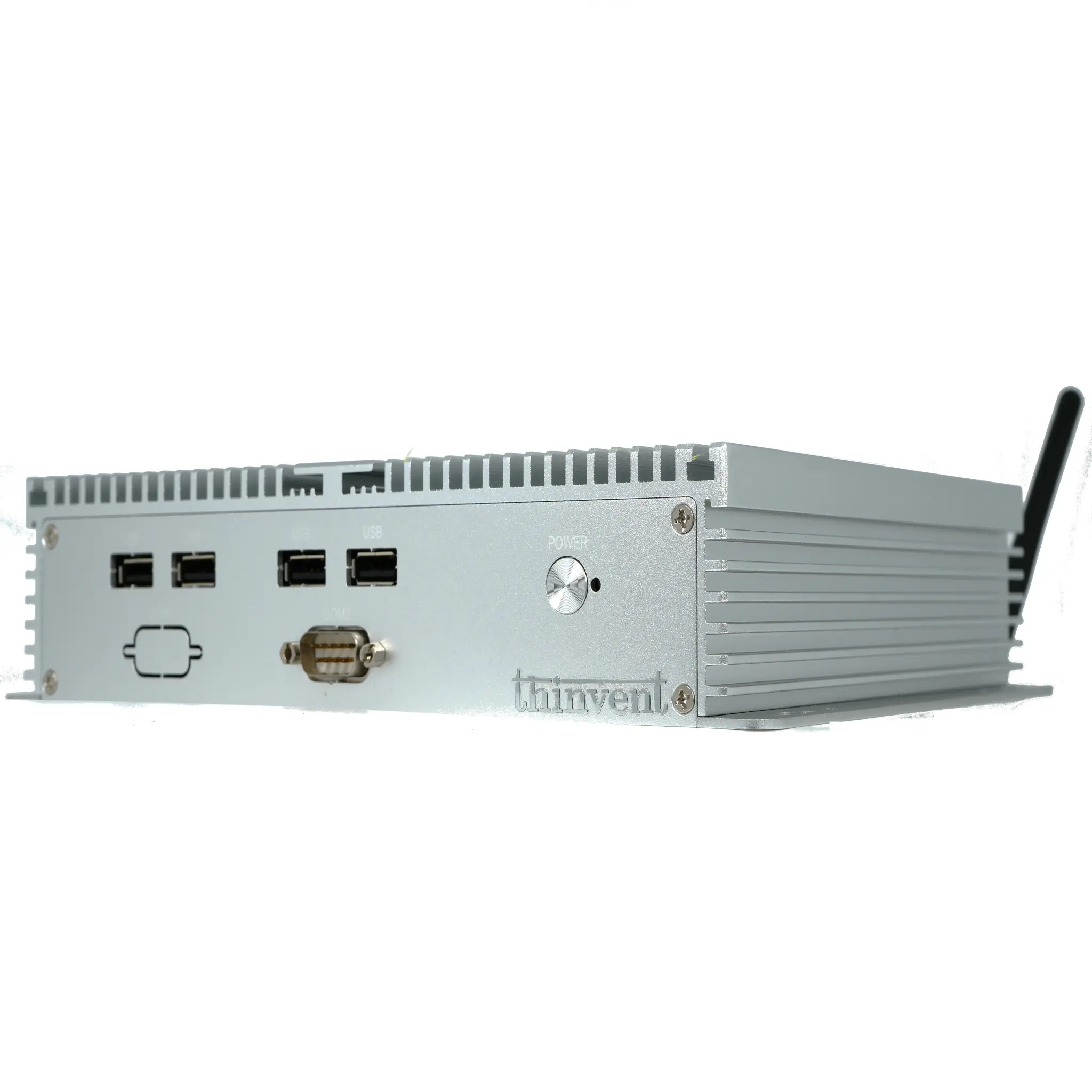
A Nano PC with Linux is an ultra-compact, energy-efficient computer system that comes pre-installed with a Linux operating system. These devices are designed for minimal space consumption and low power draw, making them ideal for embedded applications, digital signage, lightweight desktop computing, and edge computing projects. They typically feature fanless designs for silent operation and robust reliability in various environments.
Key Specifications and Technical Details
These systems are built around modern, low-power processors like Intel's N-series (e.g., N100). Common specifications include 4 to 16GB of DDR4 RAM, SSD storage from 128GB to 1TB, and multiple connectivity options such as Gigabit Ethernet, USB 3.2, and HDMI ports. The defining feature is the pre-configured Linux OS, often a stable, long-term support (LTS) distribution like Ubuntu, which provides a secure, open-source platform free from licensing fees. Their small form factor, often just a few inches square, allows for versatile mounting behind monitors or in confined spaces.
Use Cases and Applications
Nano PCs running Linux are exceptionally versatile. They are perfect for digital signage in retail or corporate settings, thin clients for virtual desktop infrastructure (VDI), and home theater PCs (HTPCs) for media streaming. Developers and IT professionals use them as development servers, network appliances (firewalls, routers), or for IoT gateways in industrial automation. Their reliability and lack of moving parts also make them suitable for 24/7 operational environments like kiosks, information displays, and monitoring stations.
Comparison of Common Configurations
| Feature | Entry-Level Nano PC | Performance Nano PC |
|---|---|---|
| Typical Processor | Intel N95 / N100 (4 cores) | Intel Core i3 / i5 (10th Gen+) |
| RAM | 8GB - 16GB DDR4 | 16GB - 32GB DDR4 |
| Storage | 128GB - 256GB SSD | 512GB - 1TB SSD |
| Best For | Basic computing, signage, thin client | Light development, multi-tasking, edge servers |
| Power Draw | Very Low (10-15W) | Low to Moderate (15-28W) |
Thinvent Nano PCs with Linux
Thinvent offers a range of robust Nano PCs pre-installed with Ubuntu Linux, providing an out-of-the-box solution for professional and industrial use. Our Aero Mini PC series, for example, features the efficient Intel N100 processor, up to 16GB RAM, and SSD storage options. These fanless systems are built for durability and silent operation, ideal for deployment in digital signage, office workstations, or as compact servers. Explore Thinvent's selection to find a reliable, Linux-powered Nano PC tailored to your project's requirements.