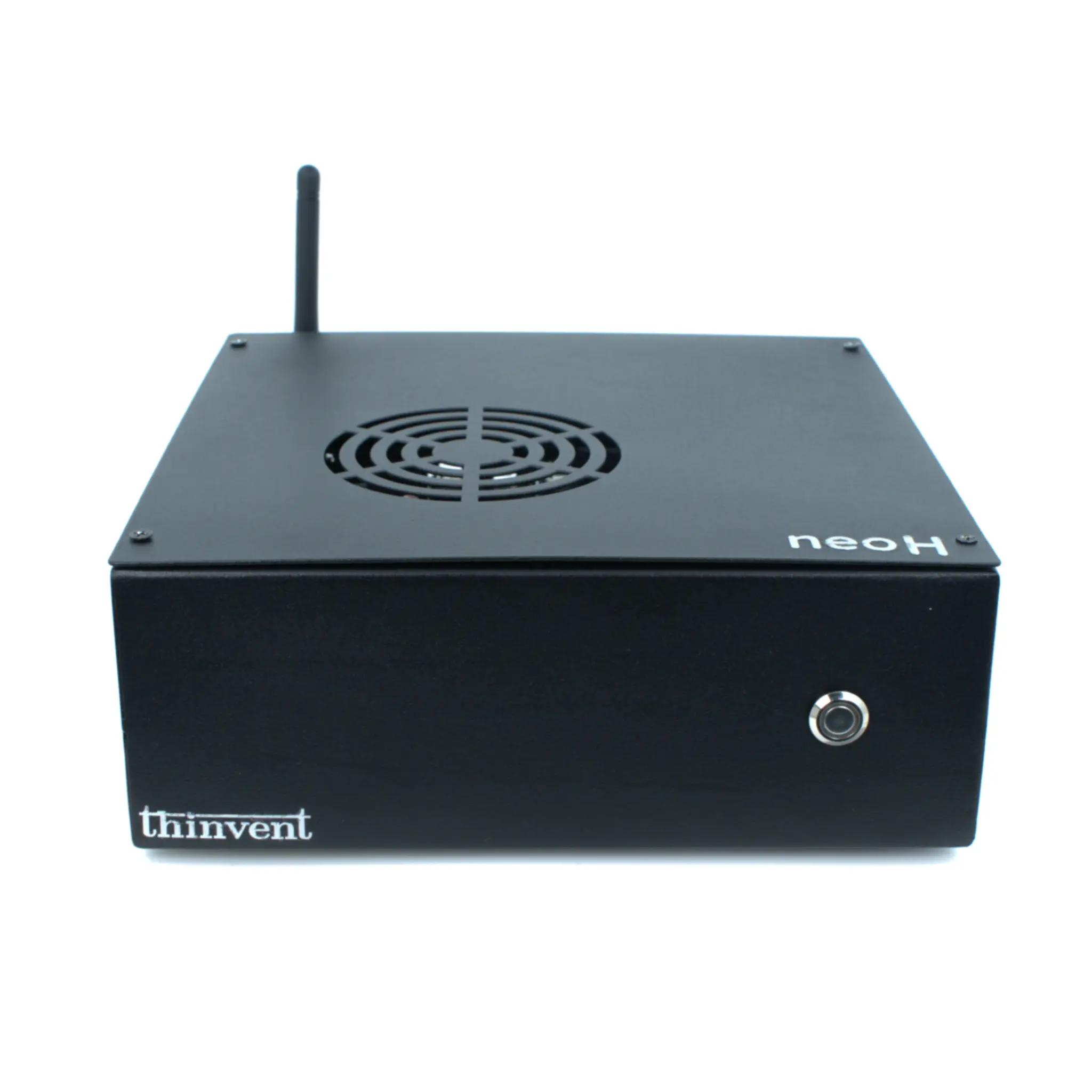
A Linux Mini PC is a compact, fanless computer system pre-installed with a Linux operating system, designed for reliability, energy efficiency, and deployment in space-constrained or demanding environments. These systems leverage the open-source Linux platform, offering stability, security, and low overhead, making them ideal for 24/7 operation. Key specifications often include low-power Intel or ARM processors, solid-state storage, and a range of connectivity options like multiple USB ports, HDMI, and Gigabit Ethernet, all housed in a rugged, small-form-factor chassis.
Key Specifications and Technical Details
These PCs are engineered for industrial and commercial use. Common technical features include:
-
Processors: Energy-efficient Intel Celeron N-series or ARM-based CPUs (e.g., Intel N100) with 4 or more cores.
-
Memory & Storage: Configurations typically start at 8GB or 16GB of DDR4 RAM paired with 128GB to 512GB M.2 SATA or NVMe SSDs for fast boot and operation.
-
Connectivity: Dual Gigabit Ethernet ports are common for network redundancy, alongside USB 3.2, HDMI/DisplayPort for multi-monitor setups, and optional Wi-Fi/Bluetooth.
-
Design: A fully fanless, ventless design ensures silent operation and protection against dust and particulate ingress, crucial for industrial settings.
Ideal Use Cases and Applications
The combination of Linux OS and robust hardware makes these mini PCs versatile solutions for numerous applications:
-
Digital Signage & Kiosks: Reliable media playback in retail, hospitality, and public information displays.
-
IoT Gateways & Edge Computing: Collecting, processing, and transmitting data from sensors and equipment on the factory floor.
-
Thin Clients & VDI: Secure, cost-effective endpoints for accessing virtualized desktop environments in offices and call centers.
-
Embedded Systems: Integration into medical devices, automation control panels, and transportation systems due to their small size and reliability.
Thinvent Linux Mini PC Solutions
Thinvent offers a range of industrial-grade Linux Mini PCs built for demanding global deployments. Our Aero series, for example, features the efficient Intel N100 processor and comes pre-configured with Ubuntu Linux for immediate deployment. These systems are designed with fanless cooling for silent, maintenance-free operation and include robust I/O options to connect to a wide array of peripherals and networks. Explore our catalog to find the perfect compact, reliable computing solution for your embedded or edge application.