What Is a Low Power NUC?
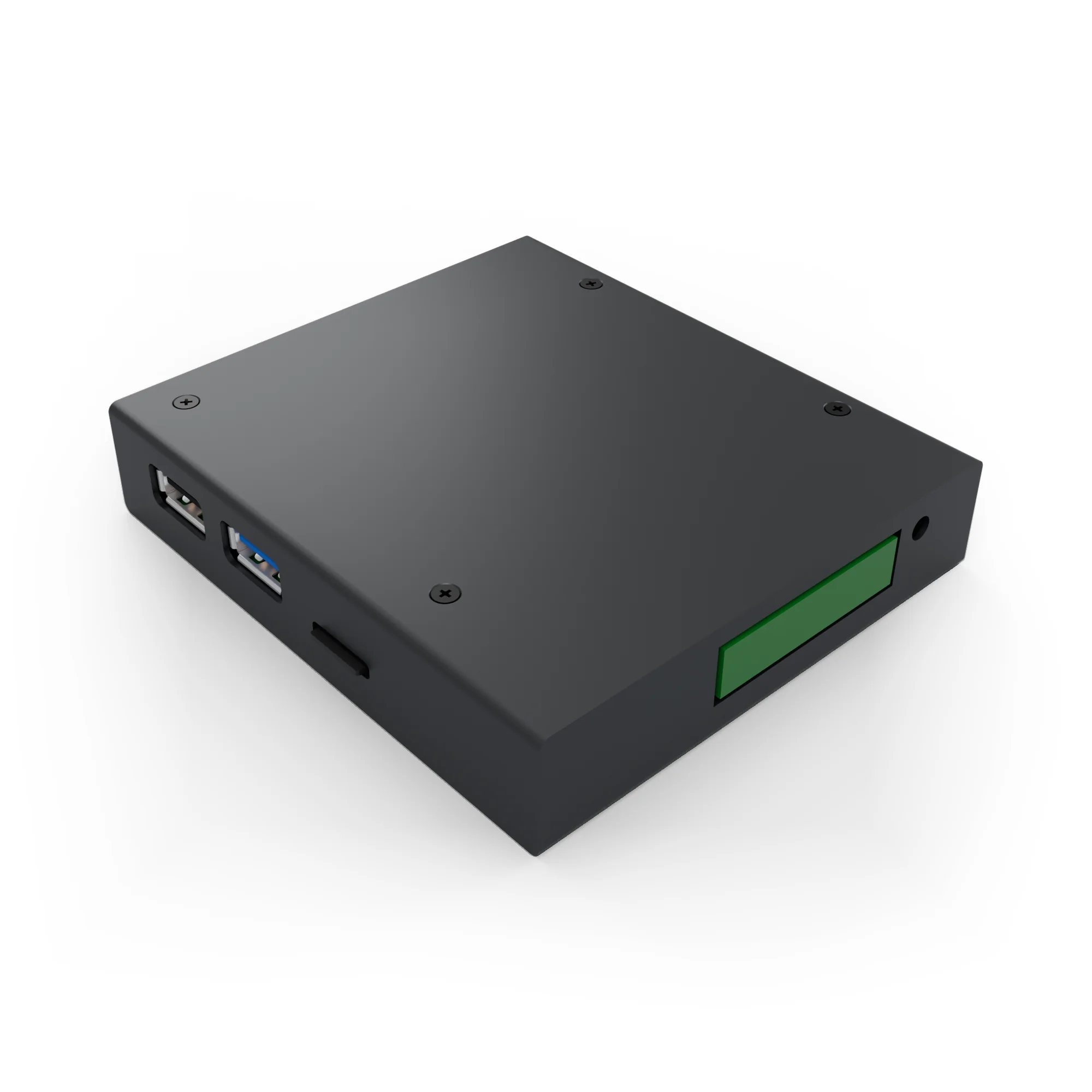
A low power NUC is a compact, small-form-factor computer built around an energy-efficient processor, typically drawing between 6W and 35W depending on workload and configuration. The "NUC" name comes from Intel's Next Unit of Computing concept, which popularised palm-sized desktops that fit behind a monitor or inside a control cabinet. A low power NUC keeps that compact footprint but prioritises energy efficiency, silent operation and long-term reliability over raw peak performance.
The efficiency comes primarily from the processor. Intel's low-power lines — the Celeron and N-series (such as the N95, N100 and N150) and the U-series Core chips (such as the 1215U) — are designed to deliver responsive everyday performance within a small thermal envelope. Because these chips generate less heat, many low power NUC designs can run fanless, using a metal chassis as a heatsink instead of a spinning fan. That means no dust ingress, no bearing wear and no noise, which matters greatly in industrial and commercial deployments.
Key Specifications to Look For
| Specification | Typical Low Power NUC | Why It Matters |
|---|---|---|
| Processor | Intel N95 / N100 / N150, Core i3-U series | 6–15W base power, responsive for most tasks |
| TDP Range | 6W – 35W | Lower draw means smaller PSUs and less heat |
| Cooling | Fanless (passive) or low-RPM fan | Dust resistance, silent operation, fewer failure points |
| Memory | 4GB – 32GB DDR4/DDR5 | 8–16GB suits multitasking and VMs |
| Storage | 128GB – 1TB SSD | SSDs use far less power than spinning disks |
| Display Output | 1–2 × HDMI | Dual-display support for kiosks and workstations |
| Ethernet | Gigabit (1000 Mbps), often dual-port | Wired reliability and network segmentation |
| Power Input | 12V DC adapter | Works with DC power rails and battery systems |
Use Cases and Applications
Low power NUCs are the workhorses of always-on computing. In retail and hospitality they drive point-of-sale terminals, digital signage and self-service kiosks where a machine may run 16 hours a day. In industry they act as edge gateways, HMI controllers and data-logging nodes on production lines, often mounted inside sealed cabinets where fanless operation is essential. In offices they serve as thin client endpoints for virtual desktop infrastructure, where the heavy processing happens on a server and the local device only needs to render the session.
Energy efficiency also translates directly into cost and resilience. A 15W device running continuously consumes roughly 130 kWh per year, a fraction of a conventional tower PC. In locations with unreliable grid power, that lower draw extends the runtime available from a UPS or battery bank, and in solar-powered or remote installations it can determine whether the deployment is feasible at all. Fewer moving parts also means a longer service life and less maintenance in hard-to-reach locations.
Choosing the Right Configuration
Match the processor to the workload rather than buying the fastest option available. Intel N-series chips handle kiosks, signage, thin client sessions and light data collection comfortably. When you need more headroom — multiple browser tabs, local databases, video processing or several virtual machines — a U-series Core processor such as the i3-1215U offers six cores and significantly higher burst frequency while still staying within a modest power envelope. Memory and storage should follow: 8GB is a sensible baseline, 16GB for multitasking, and an SSD in place of any mechanical drive.
Thinvent Products Featuring This Technology
Thinvent builds a range of compact, energy-efficient computers suited to exactly these roles. The Industrial PC IPC3 family pairs Intel Core i3-1215U processors with up to 16GB DDR4 RAM and 1TB SSD storage, running from a 12V adapter and available without WiFi for secure wired deployments. Options include quad DB9 serial ports for connecting legacy industrial equipment, and a choice of Windows 11 Pro, Windows 11 IoT, DOS or Thinux™ Embedded Linux. Alongside the IPC3, Thinvent's mini PC, thin client and all-in-one ranges cover fanless kiosk, signage, VDI and edge-computing deployments where low power draw, silent operation and long service life are the priority.