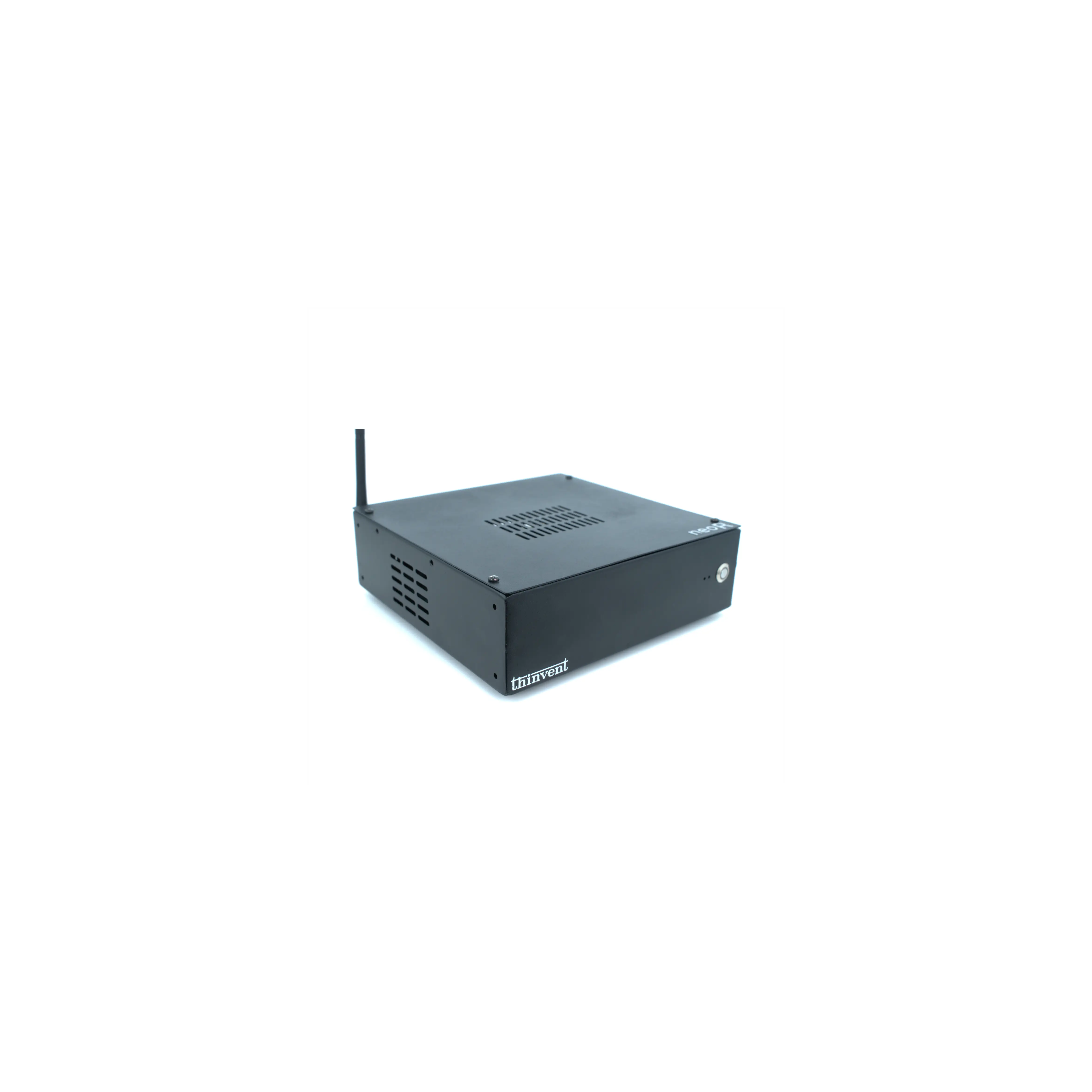
A low power processor is a specialized CPU designed to operate with minimal electrical consumption and heat generation, making it ideal for energy-efficient, fanless, and embedded computing solutions. These processors, such as Intel's N-series or certain Celeron models, typically have a Thermal Design Power (TDP) ranging from 6W to 15W. This low power draw enables completely silent, fanless cooling systems, which are crucial for reliability in dusty or harsh environments where moving parts can fail. The reduced heat output also allows for more compact and robust form factors, from ultra-small mini PCs to panel PCs and digital signage players.
Key Specifications and Technical Details
Low power processors balance adequate performance with exceptional efficiency. Key specifications include:
-
Low TDP: Typically between 6W and 15W.
-
Integrated Graphics: Modern low-power CPUs feature capable integrated GPUs (like Intel UHD Graphics) for handling multiple displays and basic multimedia.
-
Fanless Design: Enabled by the low heat output, eliminating the most common point of failure in industrial PCs.
-
Extended Temperature Range: Many systems built around these processors are rated to operate in wider ambient temperature ranges.
-
Connectivity: Support for modern I/O including USB 3.2, Gigabit Ethernet, and multiple display outputs (HDMI, DisplayPort).
Ideal Use Cases and Applications
The primary advantage of low power processors is enabling reliable, maintenance-free operation in specific scenarios:
-
Digital Signage & Kiosks: Silent, reliable operation for 24/7 display content in retail, hospitality, and public spaces.
-
IoT Gateways & Edge Computing: Processing data at the source with minimal energy footprint.
-
Thin Clients & VDI: Perfect for centralized computing environments where local processing needs are minimal.
-
Industrial Automation: Deployed in control panels or HMIs within factories where dust, vibration, or extreme temperatures are concerns.
-
Embedded Systems: Used in transportation, medical devices, and other fixed-function applications where size, heat, and power are constrained.
Comparison of Common Low Power Processor Types
| Feature | Intel N-Series (e.g., N100) | Intel Celeron (e.g., J4125) | ARM-based Processors |
|---|---|---|---|
| Typical TDP | 6W - 10W | 10W - 15W | Often below 5W |
| Architecture | x86 (Performance-efficient cores) | x86 | ARM (RISC) |
| Primary Strength | Excellent modern performance-per-watt | Proven reliability, cost-effective | Ultimate power efficiency, minimal heat |
| Common Use | Modern mini PCs, edge computing | Industrial PCs, embedded systems | Specialized embedded devices, custom solutions |
| Software Compatibility | Full Windows/Linux x86 ecosystem | Full Windows/Linux x86 ecosystem | Linux, Android, RTOS (may require porting) |
Thinvent Products with Low Power Processors
Thinvent specializes in robust, fanless computing solutions built around efficient low power processors. Our product range includes compact Aero Mini PCs featuring Intel's latest N-series CPUs, perfect for digital signage and office workloads. For more demanding industrial environments, our Industrial Panel PCs and Box PCs utilize low-power Intel Celeron and Core i-series processors to deliver reliable performance without active cooling. These systems are engineered for 24/7 operation, supporting a wide range of operating systems from Windows IoT and Linux to FreeDOS, ensuring you find the perfect balance of efficiency, silence, and durability for your application.