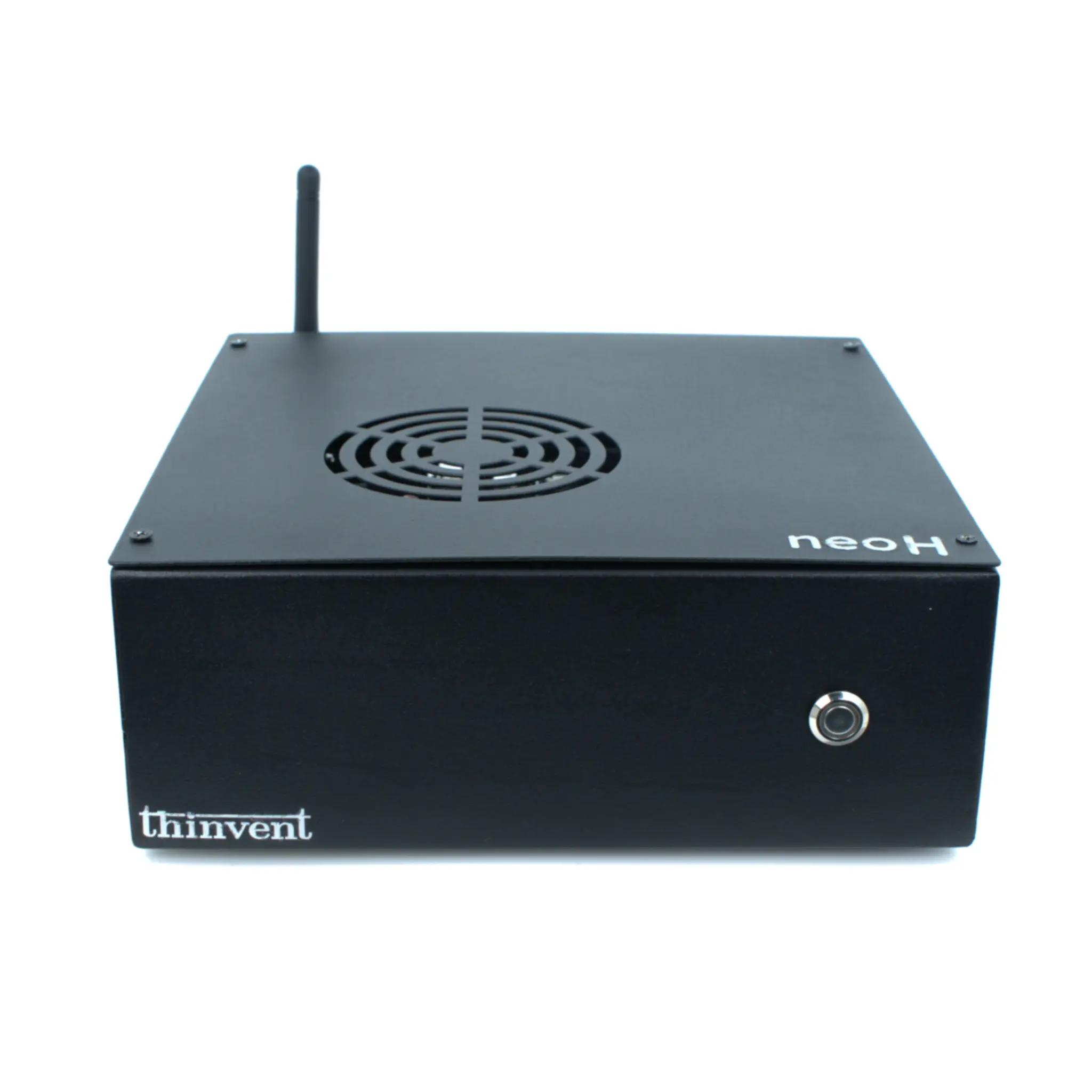
What Are Compact Mini PCs?
Compact Mini PCs are small-form-factor computers designed to deliver essential computing power in a space-saving, energy-efficient, and often fanless design. They are engineered to handle a wide range of business and industrial tasks without the bulk of traditional desktop towers. These systems typically feature low-power processors (from ARM or Intel), solid-state storage, and multiple connectivity options, making them ideal for environments where reliability, silent operation, and minimal physical footprint are critical.
Key Specifications and Technical Details
Modern compact Mini PCs come in various configurations to suit different performance needs. Entry-level models often utilize efficient ARM-based processors (like the Cortex A53 or A55) with onboard RAM and eMMC storage, offering excellent power efficiency for basic computing. For more demanding applications, Intel-based platforms are available, ranging from the efficient Intel Processor N100 series up to powerful Intel Core i5 and i7 processors. Key specifications to consider include:
-
Processor: ARM for ultra-low power and thermal efficiency; Intel for higher performance and x86 compatibility.
-
Memory: Ranges from 2GB to 16GB of RAM.
-
Storage: Options include eMMC (16GB-64GB) for lightweight OSes and SATA/NVMe SSDs (128GB-512GB+) for higher performance.
-
Connectivity: Standard features include HDMI output, USB ports, Ethernet, and optional dual-band Wi-Fi.
-
Power: Low-voltage DC input (e.g., 5V/12V), contributing to energy savings and enabling deployment in varied settings.
-
Operating System: Often pre-installed with embedded Linux (like Thinux™), Ubuntu, or Windows IoT/Pro for specific enterprise needs.
Use Cases and Applications
These versatile computers are deployed across numerous sectors due to their robustness and adaptability.
-
Digital Signage & Kiosks: Powering interactive displays, menu boards, and information points in retail, hospitality, and public spaces.
-
Thin Client & VDI: Acting as endpoints for virtual desktop infrastructure, centralizing management and security in corporate and educational environments.
-
Industrial Automation: Serving as control units for machinery, HMI (Human-Machine Interface) panels, and data acquisition systems in factories.
-
Edge Computing: Processing data locally in IoT networks for smart cities, retail analytics, and security systems.
-
Office Productivity: Functioning as compact, silent workstations for general office applications, call centers, and reception areas.
Comparison of Common Mini PC Platforms
| Feature | ARM-Based Mini PCs (e.g., Cortex A55) | Intel Entry-Level (e.g., N100) | Intel Performance (e.g., Core i5) |
|---|---|---|---|
| Best For | Lightweight tasks, thin clients, digital signage | General business, light multitasking, edge computing | Demanding applications, industrial software, virtualization |
| Power Efficiency | Excellent (Very low TDP) | Very Good | Good to Moderate |
| Performance | Basic computing & media playback | Capable for office & HD media | High for productivity & specialized apps |
| Thermal Design | Often completely fanless | Typically fanless or low-noise | May require active cooling |
| OS Compatibility | Linux, Android, lightweight OSes | Full x86 support (Windows, Linux) | Full x86 support (Windows, Linux) |
Thinvent's Range of Compact Mini PCs
Thinvent offers a comprehensive portfolio of compact Mini PCs engineered for business and industrial durability. Our lineup includes the ultra-efficient Micro series with ARM processors for fanless, low-power operation in digital signage and thin client roles. The Treo and IPC series feature Intel processors like the N100 and Core i3/i5, providing a balance of performance and efficiency for more demanding office and light industrial tasks. For high-performance needs in automation and edge computing, our Aero and high-end IPC models are equipped with powerful Intel Core processors, ample RAM, and fast SSD storage. All Thinvent Mini PCs are built for 24/7 reliability, support multiple operating systems (Thinux™, Ubuntu, Windows), and come in versatile form factors with options for VESA mounting, making them a robust computing solution for global deployments.