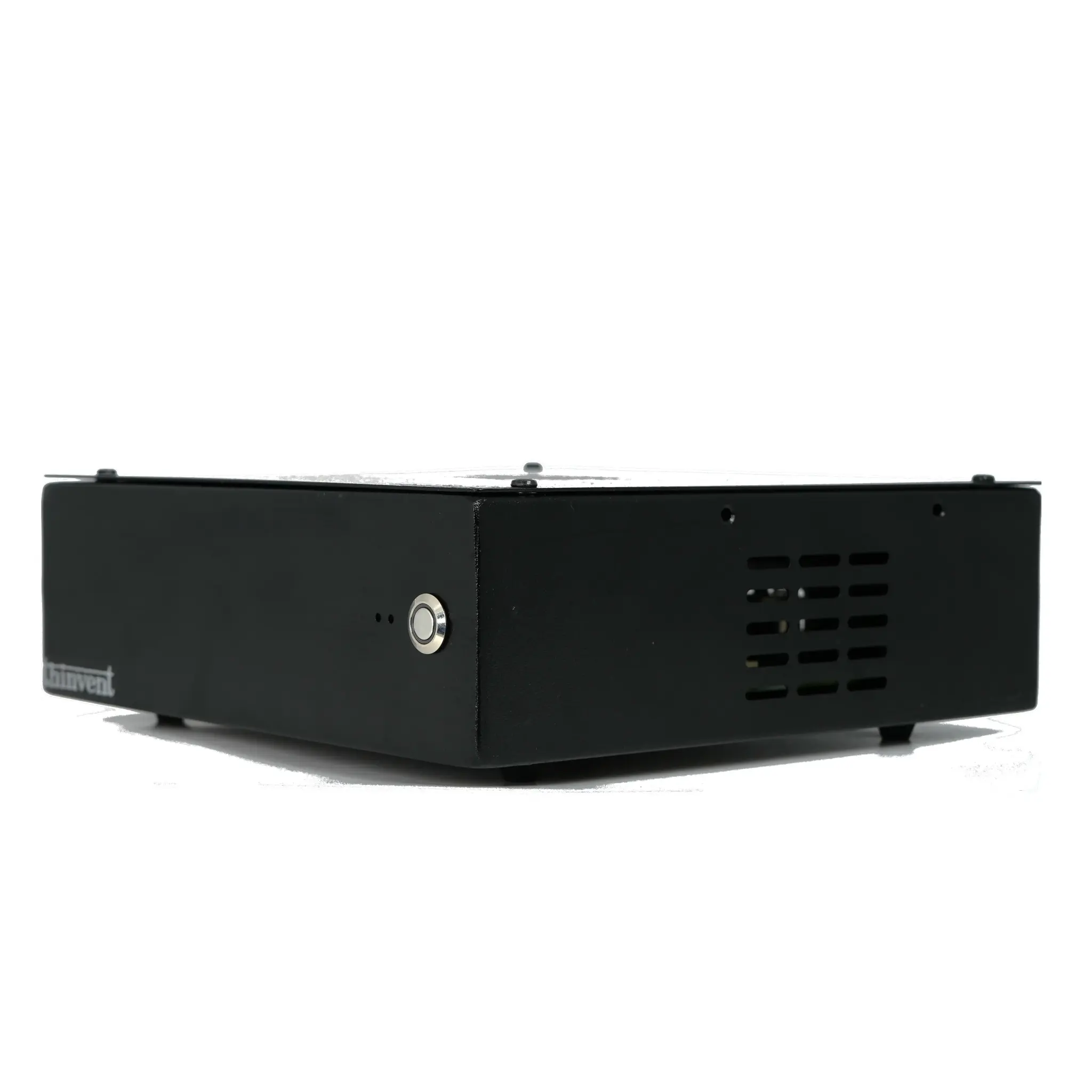
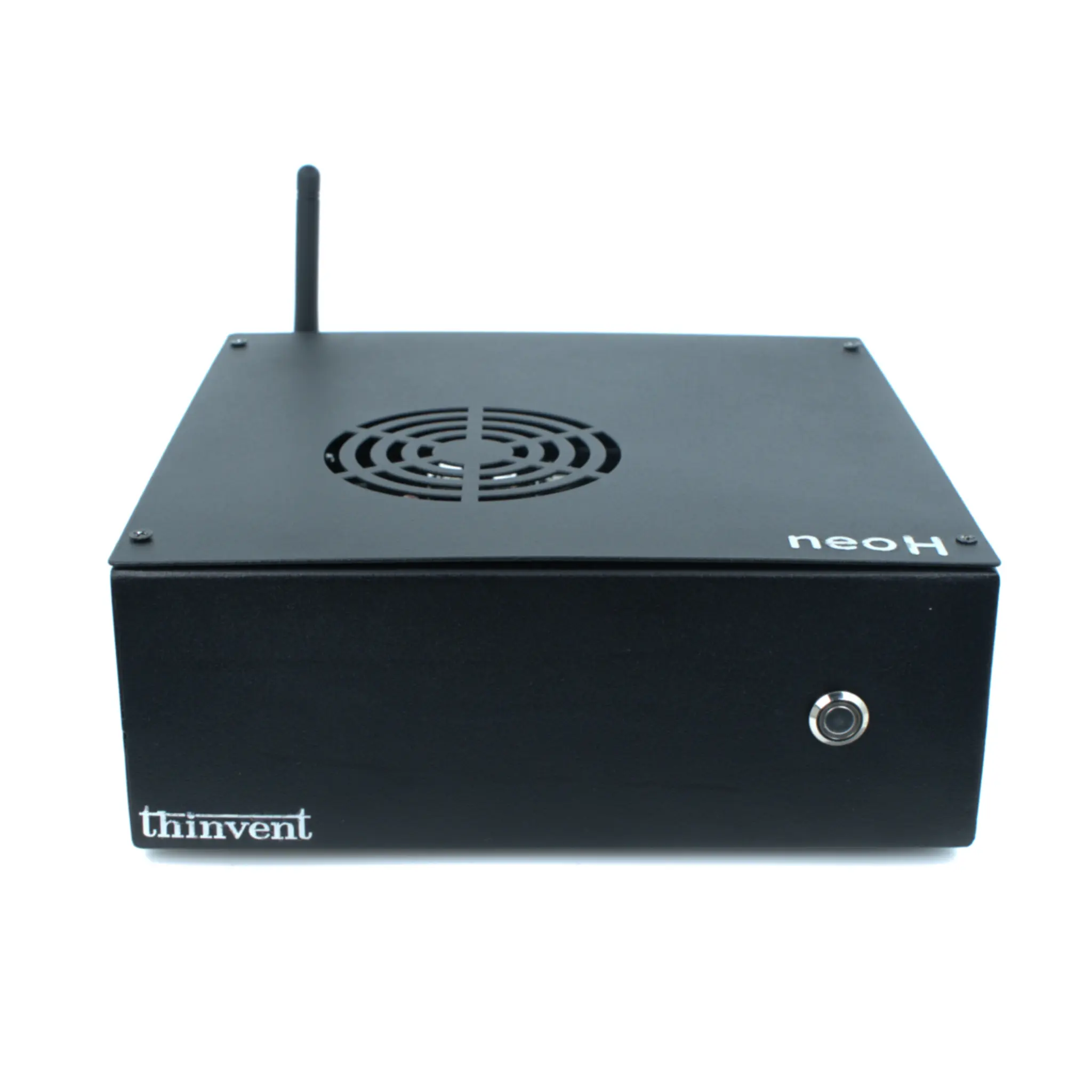
A Mini CPU for a monitor, often called a compact Mini PC, is a space-saving computing solution designed to connect directly to a display, effectively turning a standard monitor into a fully functional computer. These devices are ideal for environments where a traditional desktop tower is too large, noisy, or power-hungry. They typically connect via HDMI, offer a range of processing power from efficient ARM-based systems to high-performance Intel Core processors, and come with integrated storage and memory. Their compact form factor allows for easy placement behind a monitor using a VESA mount, creating a clean, clutter-free workspace.
Key Specifications and Technical Details
These compact Mini PCs vary significantly in their core components to suit different performance needs. Entry-level models often feature fanless ARM processors (like the Cortex A53 or A55) with onboard RAM and eMMC storage, offering excellent energy efficiency for basic tasks. Mid-range options frequently utilize Intel's efficient N-series processors (e.g., N100), which provide a balance of performance and low power consumption. For demanding applications, high-performance models are equipped with Intel Core i3, i5, or even the latest Core Ultra processors, featuring more cores, higher clock speeds, larger caches, and support for DDR4 RAM and faster NVMe SSDs. Common connectivity includes at least one HDMI port, USB ports, audio jacks, and optional dual-band Wi-Fi.
Ideal Use Cases and Applications
The versatility of monitor-attached Mini PCs makes them suitable for a wide array of applications. In corporate and educational settings, they are perfect for digital signage, kiosks, and thin client workstations due to their small size and reliability. For general office use, they serve as efficient desktops for productivity software, web browsing, and video conferencing. In industrial environments, their often fanless and rugged designs make them ideal for process control and HMI (Human-Machine Interface) systems. They are also excellent for home entertainment setups as media centers or compact gaming PCs for lighter titles.
Comparison of Common Configurations
| Feature | Entry-Level (ARM) | Balanced (Intel N-Series) | High-Performance (Intel Core) |
|---|---|---|---|
| Typical Processor | ARM Cortex A55 (4-core) | Intel Processor N100 (4-core) | Intel Core i5-1250P (12-core) |
| Max Frequency | ~1.9 GHz | Up to 3.4 GHz | Up to 4.4 GHz |
| Typical RAM | 2GB - 4GB Onboard | 4GB DDR4 | 8GB - 16GB DDR4 |
| Typical Storage | 16GB - 64GB eMMC | 128GB SSD | 256GB - 512GB SSD |
| Power Profile | Very Low (5V/2A) | Low (12V/5A) | Moderate to High (12V/7A) |
| Best For | Basic browsing, thin clients, signage | Office productivity, light multitasking | Professional applications, engineering software |
Thinvent's Compact Mini PCs for Monitors
Thinvent offers a comprehensive range of compact Mini PCs designed specifically for seamless monitor connectivity. Our lineup includes the ultra-efficient Micro series with ARM processors for lightweight, fanless operation, perfect for digital signage and kiosks. The Treo and IPC series feature Intel's efficient N100 processor, delivering a robust balance of performance and energy savings for everyday office and industrial tasks. For power users, the Aero and high-end IPC models are equipped with Intel Core i3, i5, and Core Ultra processors, providing desktop-level performance for demanding professional applications, all within a compact chassis that can be VESA-mounted behind any display. With options for Thinux™ Embedded Linux, Ubuntu, or Windows operating systems, Thinvent provides a reliable, scalable computing solution for any global deployment.