What Are Compact Mini PCs?
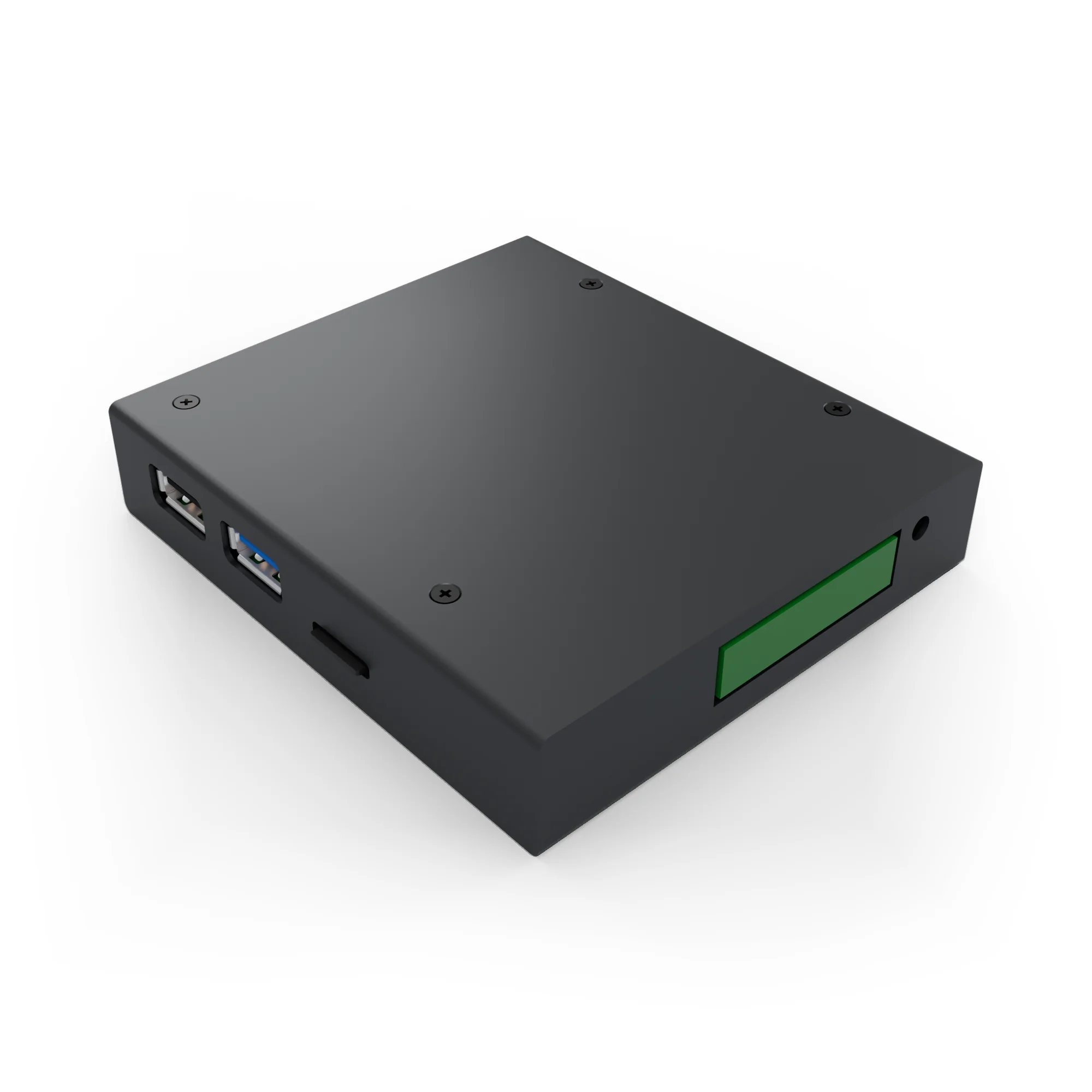
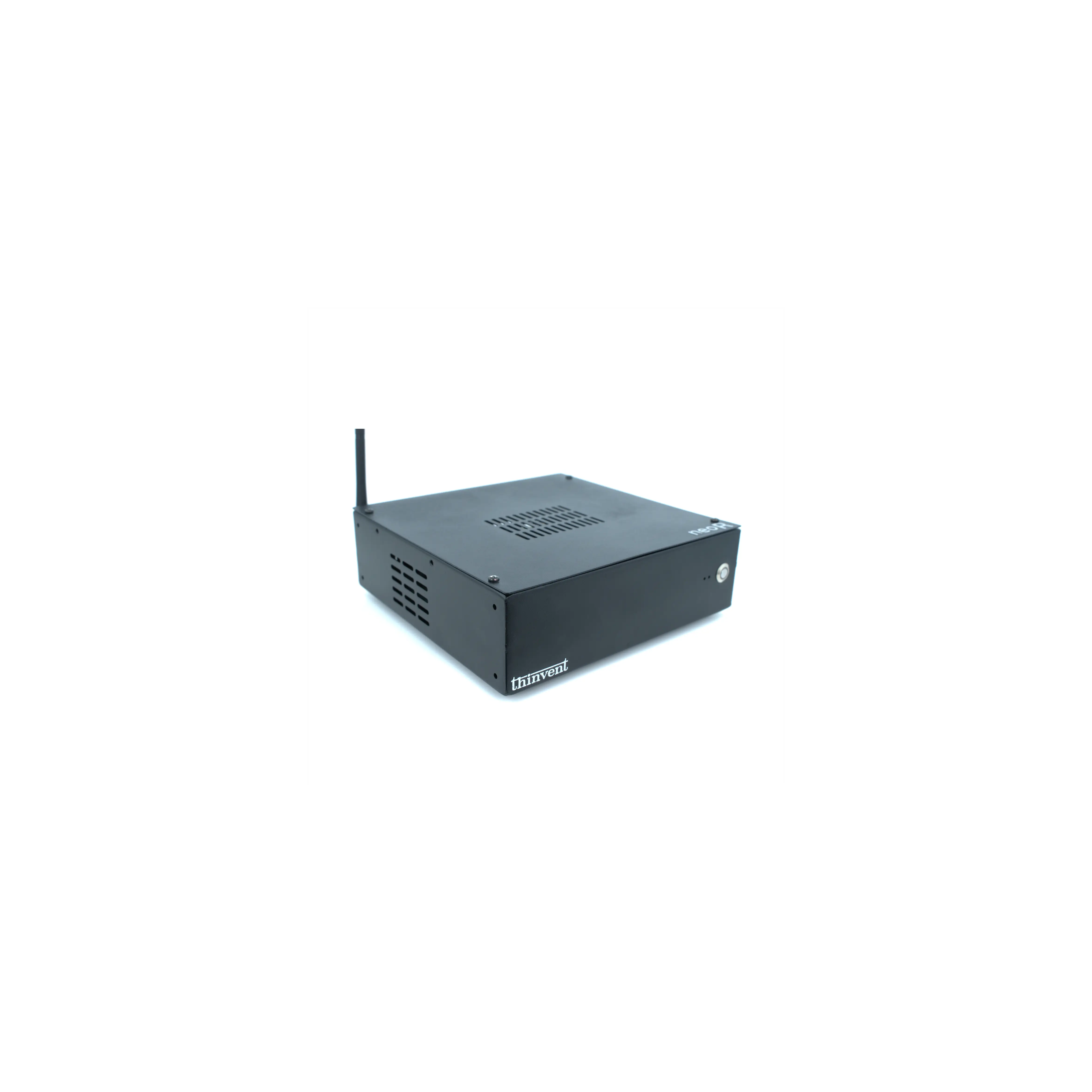
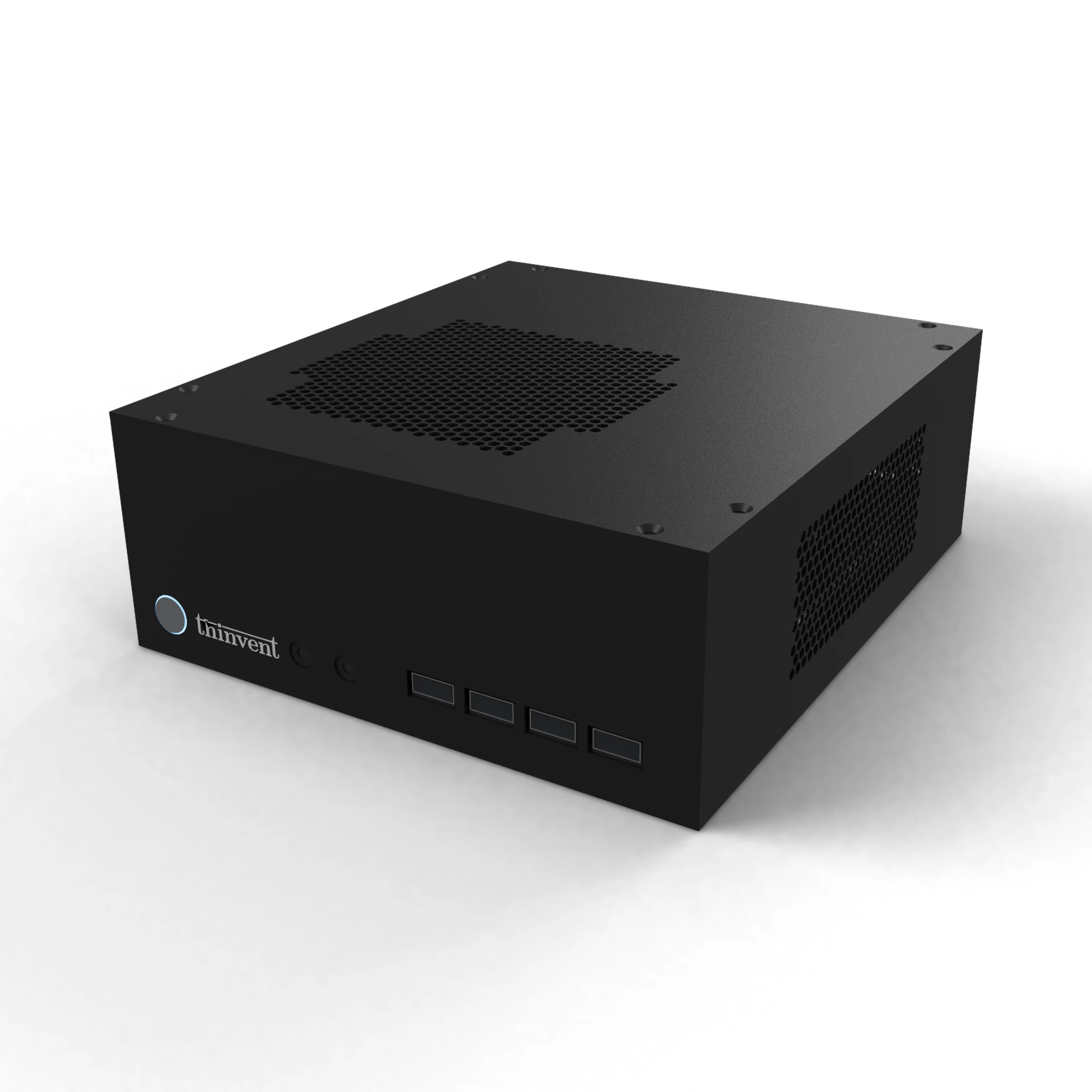
Compact Mini PCs, often referred to as "Mini Ordinateur" or small form factor computers, are powerful, space-saving computing solutions designed for environments where traditional desktop towers are impractical. These devices pack essential computing components into a chassis that can fit in the palm of your hand or mount discreetly behind a monitor. They are engineered for efficiency, low power consumption, and quiet, often fanless operation, making them ideal for modern home and office setups that prioritize a clean, minimalist workspace without sacrificing performance.
Key Specifications and Technical Details
Modern compact Mini PCs come in a range of configurations to suit different performance needs. Entry-level models often utilize efficient ARM-based processors (like the ARM Cortex A53/A55) with onboard RAM and eMMC storage, offering excellent power efficiency for basic tasks. Mid-range options frequently feature Intel processors from the N-series (e.g., Intel N100), balancing performance and energy use. High-performance models are equipped with Intel Core i3, i5, or even i7 processors, DDR4 RAM, and NVMe SSDs for demanding applications. Common features across the board include multiple display outputs (HDMI), USB ports, Wi-Fi connectivity, and support for VESA mounting, allowing for a completely clutter-free desk.
Ideal Use Cases and Applications
The versatility of compact Mini PCs makes them suitable for a wide array of applications. In the home, they serve perfectly as media centers for streaming, lightweight gaming consoles, or compact workstations for browsing, document editing, and video calls. In the office, they are excellent for general productivity, digital signage, point-of-sale (POS) systems, and thin client deployments, where centralized management and security are key. Their small size and low heat output also make them ideal for embedded applications in retail kiosks, interactive displays, and light industrial control systems.
Comparison of Common Mini PC Types
| Feature | ARM-Based Mini PC (e.g., Thinvent Micro Series) | Intel N-Series Mini PC (e.g., Thinvent Treo/IPC1) | Intel Core Series Mini PC (e.g., Thinvent Aero/IPC Series) |
|---|---|---|---|
| Best For | Basic computing, web browsing, digital signage, thin clients. | Balanced performance for office apps, media playback, light multitasking. | Demanding business apps, multitasking, creative work, virtualization. |
| Power Use | Very low (5V-12V adapters). Often fanless. | Low to moderate. Efficient thermal design. | Moderate. May include active cooling for sustained performance. |
| Typical OS | Embedded Linux (Thinux™), Android. | Linux (Ubuntu), Windows IoT, Windows 11. | Windows 11 Pro, Ubuntu Linux. |
| Connectivity | Wi-Fi, Bluetooth, USB, HDMI. | USB, HDMI, sometimes Wi-Fi. | Comprehensive I/O, often with Wi-Fi and multiple display support. |
Thinvent's Range of Compact Mini PCs
Thinvent offers a comprehensive portfolio of compact Mini PCs designed to meet every need, from simple digital displays to powerful workstation replacements. Our Thinvent Micro series (Micro 5 Wifi, Micro 6 Pro) provides ultra-efficient, fanless operation with ARM processors, perfect for always-on applications and thin client environments. The Thinvent Treo and IPC1 models leverage the efficient Intel N100 processor for a great balance of capability and value. For superior performance, the Thinvent Aero series and Industrial IPC series (IPC3, IPC5) are equipped with Intel Core i3, i5, and i7 processors, ample DDR4 RAM, and fast SSD storage, capable of handling intensive business software, multimedia editing, and robust industrial applications. All Thinvent PCs are built with reliability and global deployment in mind, supported by a range of operating systems including our proprietary Thinux™ Embedded Linux, Ubuntu, and Windows.