A mini PC with an ARM processor is a compact, energy-efficient computing device built around an ARM-based CPU architecture. Unlike traditional x86 processors from Intel or AMD, ARM processors are based on a Reduced Instruction Set Computing (RISC) design, which prioritizes power efficiency and low heat generation. This makes ARM-based mini PCs ideal for always-on, embedded applications where silent operation, minimal power draw, and a small physical footprint are critical.
Key Specifications and Technical Details
ARM-based mini PCs are characterized by their system-on-a-chip (SoC) design, where the CPU, GPU, memory controller, and I/O are integrated into a single chip. Key specifications include:
-
Processor Architecture: ARMv7 or ARMv8 (64-bit).
-
Cores: Typically feature multi-core configurations (e.g., quad-core or octa-core) optimized for parallel task handling.
-
Thermal Design: Most are fanless, using passive heatsinks for completely silent operation.
-
Power Consumption: Extremely low, often operating on as little as 5-15W.
-
Connectivity: Standard features include multiple USB ports (often with USB-C), HDMI/DisplayPort outputs, Gigabit Ethernet, and onboard Wi-Fi/Bluetooth.
-
Operating Systems: Primarily run lightweight, efficient OSes like various Linux distributions (Ubuntu, Debian, Yocto) or Android.
Use Cases and Applications
The unique blend of small size, silence, and efficiency opens up numerous industrial and commercial applications:
-
Digital Signage & Kiosks: Perfect for driving displays in retail, hospitality, or public information points.
-
IoT Gateways: Act as a central hub for collecting and processing data from sensors in smart factories or buildings.
-
Thin Clients & VDI: Provide a low-cost, secure endpoint for accessing virtualized desktop environments.
-
Embedded Systems: Used in medical devices, automation control, and in-vehicle infotainment systems where reliability is paramount.
-
Home Servers & Media Centers: Serve as a low-power NAS or media streaming device.
Comparison: ARM vs. x86 Mini PCs
| Feature | ARM-based Mini PC | x86-based Mini PC (e.g., Intel) |
|---|---|---|
| Power Efficiency | Excellent (5-15W) | Good to Moderate (10-65W) |
| Heat Output | Very Low (Typically Fanless) | Low to Moderate (Often requires active cooling) |
| Performance Profile | Optimized for efficiency & parallel tasks | Optimized for single-threaded & legacy application performance |
| Software Ecosystem | Linux, Android, some Windows on ARM | Full Windows, Linux, broad commercial software support |
| Typical Use Case | Embedded, IoT, dedicated applications | General computing, industrial workstations, legacy software |
Thinvent Mini PCs Featuring ARM Technology
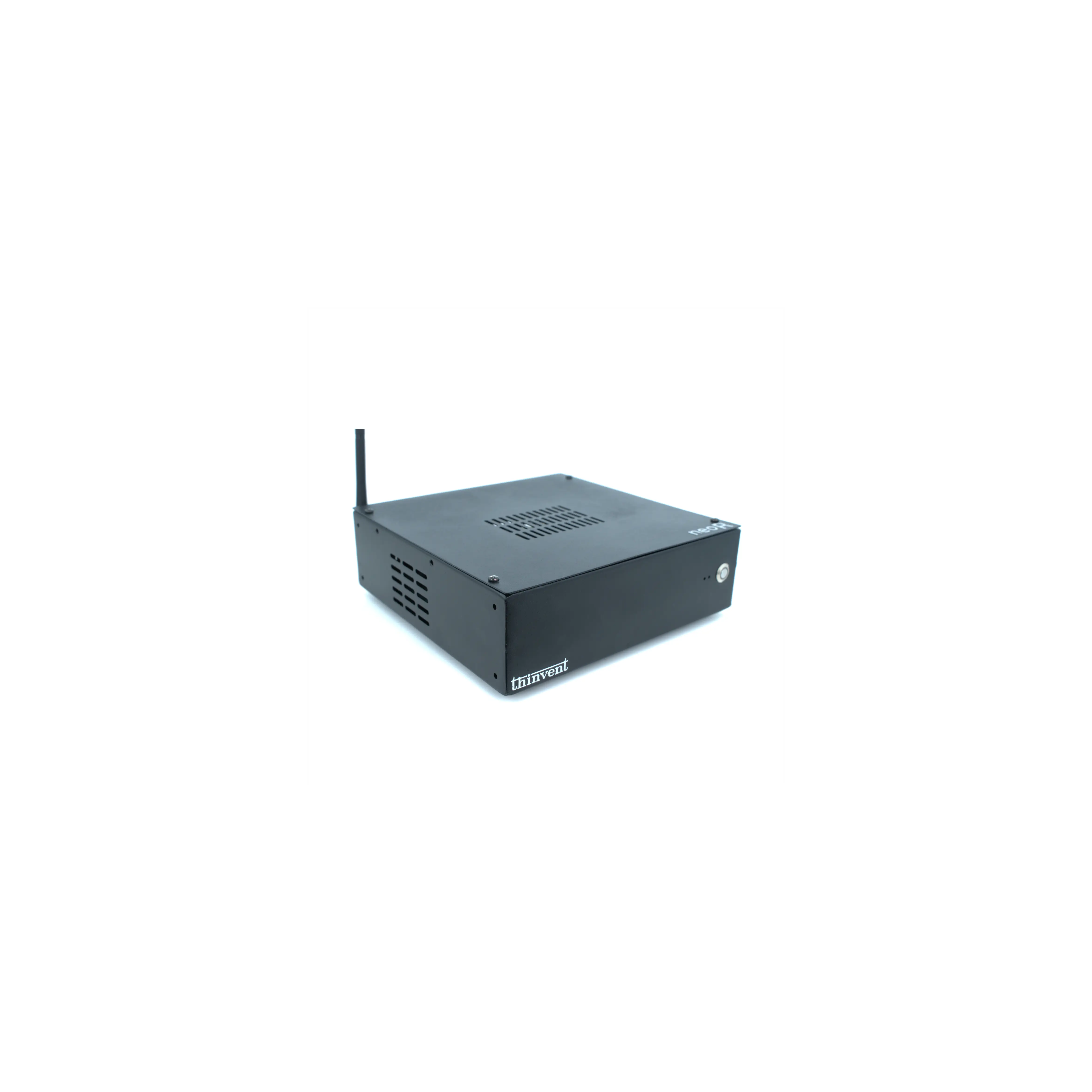
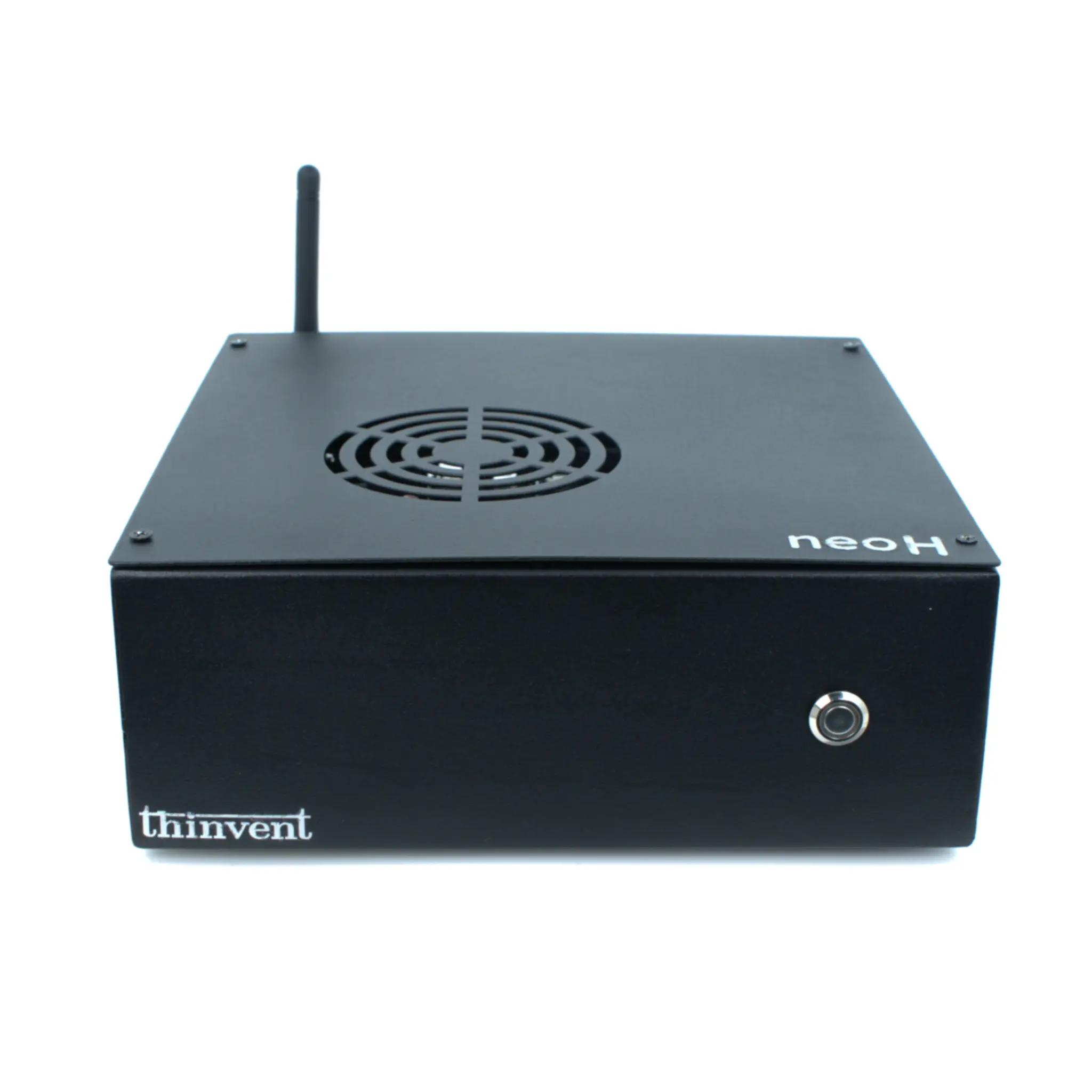
While the sample products listed utilize Intel processors, Thinvent's engineering expertise extends to robust, fanless mini PC designs that are perfectly suited for ARM architecture. Our compact form factors, featuring durable metal casings and wide-range DC power input, provide an ideal hardware platform for ARM-based solutions in demanding environments. We offer customization options and support for various operating systems to match the specific requirements of ARM processor deployments, ensuring reliable performance for embedded and edge computing applications worldwide.