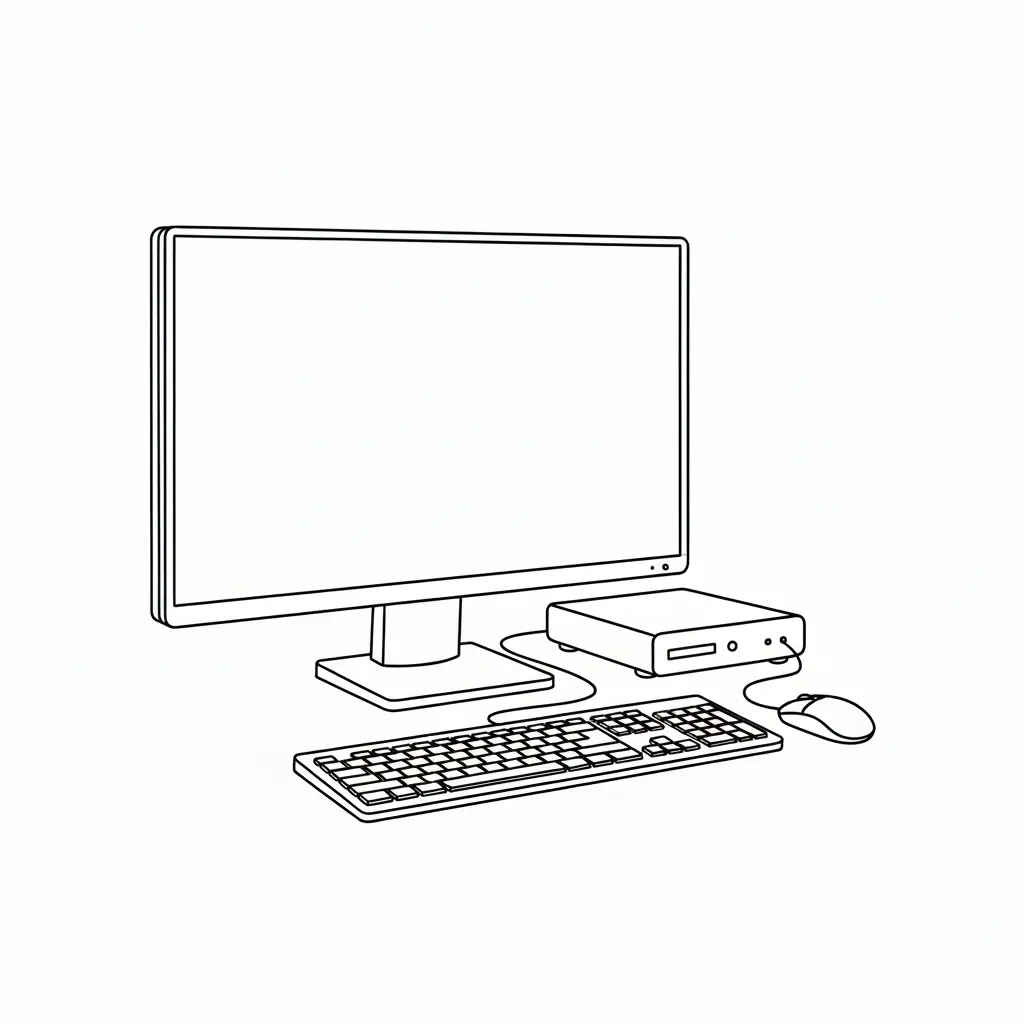
A Mini PC is a compact, space-saving desktop computer that provides full computing functionality in a significantly smaller form factor than a traditional tower. These systems are designed for environments where space is at a premium, power efficiency is critical, and reliability is non-negotiable. By integrating core components like the processor, memory, and storage into a single, small chassis, Mini PCs offer a versatile computing solution for a wide range of professional and industrial tasks.
Key Specifications and Technical Details
Modern industrial Mini PCs are engineered for durability and silent operation. Key specifications often include:
-
Form Factor: Ultra-compact designs, often fanless for silent and maintenance-free operation.
-
Processors: Utilize efficient, low-power CPUs from Intel's N-series (e.g., Intel N100) or higher-performance Core i-series, balancing performance with thermal output.
-
Memory & Storage: Typically equipped with 8GB to 16GB of DDR4 RAM and fast SSD storage (128GB to 512GB) for responsive performance.
-
Connectivity: Feature multiple USB ports (including USB 3.2 and Type-C), dual HDMI or DisplayPort outputs for multi-monitor setups, and Gigabit Ethernet for reliable network connectivity.
-
Power: Operate on low-voltage DC power (e.g., 12V), making them ideal for integration into various systems and kiosks.
Common Use Cases and Applications
The small size and robust build of industrial Mini PCs make them perfect for embedded and edge computing scenarios:
-
Digital Signage & Kiosks: Powering interactive displays, information points, and menu boards in retail, hospitality, and public spaces.
-
Thin Client & VDI: Acting as endpoints for virtual desktop infrastructure in offices, call centers, and educational institutions.
-
Industrial Automation: Serving as control units for manufacturing equipment, IoT gateways, and HMI (Human-Machine Interface) panels.
-
Office & Workspace: Providing a clutter-free desktop computing experience for general office productivity, video conferencing, and light graphic tasks.
Comparison: Mini PC vs. Traditional Desktop
| Feature | Industrial Mini PC | Traditional Desktop Tower |
|---|---|---|
| Size | Extremely compact (often < 1L volume) | Large, requires significant desk/floor space |
| Noise | Fanless or near-silent operation | Audible fan noise, especially under load |
| Power Use | Very low power consumption (10W-65W TDP common) | Higher power consumption (65W+ TDP) |
| Expandability | Limited; typically uses soldered or SO-DIMM memory, M.2 storage | High; multiple PCIe slots, drive bays, and RAM slots |
| Durability | Designed for 24/7 operation, wide temperature ranges, vibration resistance | Designed for consumer/office use with standard operating conditions |
| Ideal For | Space-constrained, embedded, silent, and edge computing applications | High-performance gaming, workstations, and user-upgradable systems |
Thinvent Mini PC Solutions
Thinvent offers a robust lineup of industrial-grade Mini PCs designed for reliability in demanding environments. Our Aero Mini PC series exemplifies this commitment, featuring fanless designs with efficient Intel processors like the N100. These systems are built for 24/7 operation and come configured with ample DDR4 RAM and SSD storage. They support a variety of operating systems, including Windows 11 IoT/Pro, Ubuntu Linux, and our own Thinux™ Embedded Linux, providing flexibility for different software ecosystems. Thinvent Mini PCs are the ideal choice for businesses seeking compact, powerful, and dependable computing solutions for digital signage, thin client deployments, and industrial automation projects worldwide.