Understanding Industrial Motherboards with Intel Core i7
An industrial motherboard with an Intel Core i7 processor is a high-performance computing platform designed for demanding applications. Unlike consumer-grade components, these motherboards are built for reliability, extended temperature ranges, and long-term availability. They integrate a powerful Intel Core i7 CPU, which provides excellent multi-threaded performance, high clock speeds, and advanced features like Intel vPro technology for remote management and security.
Key Specifications and Technical Details
The performance of such a system is defined by the combination of the motherboard's features and the specific i7 processor generation. Key specifications to consider include:
-
Processor Generation: Modern industrial systems typically feature 10th, 12th, 13th, or 14th generation Intel Core i7 processors. Newer generations offer improved performance per watt and integrated graphics.
-
Core Count: Intel Core i7 processors commonly feature 6, 10, or 12 physical cores, with additional threads via Hyper-Threading.
-
Memory Support: These platforms support high-capacity, often ECC (Error-Correcting Code) memory, with configurations ranging from 16GB to 64GB or more of DDR4 or DDR5 RAM.
-
Expansion & Connectivity: Industrial motherboards offer robust I/O, including multiple Gigabit Ethernet ports, USB 3.2/4.0, serial ports (COM), and expansion slots like PCIe for adding specialized cards for data acquisition, networking, or graphics.
-
Form Factor & Durability: They come in standard industrial form factors (e.g., Mini-ITX, 3.5" SBC) and are designed for 24/7 operation with fanless or actively cooled designs.
Applications and Use Cases
These powerful, reliable computing cores are essential for applications where failure is not an option and data processing needs are intensive.
-
Industrial Automation & Control: Running complex PLCs, SCADA systems, and machine vision for manufacturing lines.
-
Digital Signage & Kiosks: Driving multiple high-resolution displays in public spaces.
-
Edge Computing & AI: Performing data analytics and machine learning inference at the network edge.
-
Medical Imaging & Diagnostics: Powering advanced diagnostic equipment that requires fast data processing.
-
Network Appliances: Serving as high-throughput firewalls, routers, or network storage servers.
Comparison of Common Intel Core i7 Series for Industrial Use
| Processor Model (Example) | Generation | Typical Cores/Threads | Key Feature for Industrial Use |
|---|---|---|---|
| i7-10700TE | 10th Gen | 8 Cores / 16 Threads | Low-power variant (35W TDP) for efficient, fanless designs. |
| i7-12700TE | 12th Gen | 12 Cores (8P+4E) / 20 Threads | Hybrid architecture; excellent mix of performance and efficiency cores. |
| i7-13700TE | 13th Gen | 16 Cores (8P+8E) / 24 Threads | Higher clock speeds and cache; superior multi-threaded performance. |
| i7-14700TE | 14th Gen | 20 Cores (8P+12E) / 28 Threads | Latest generation with increased E-core count for maximum throughput. |
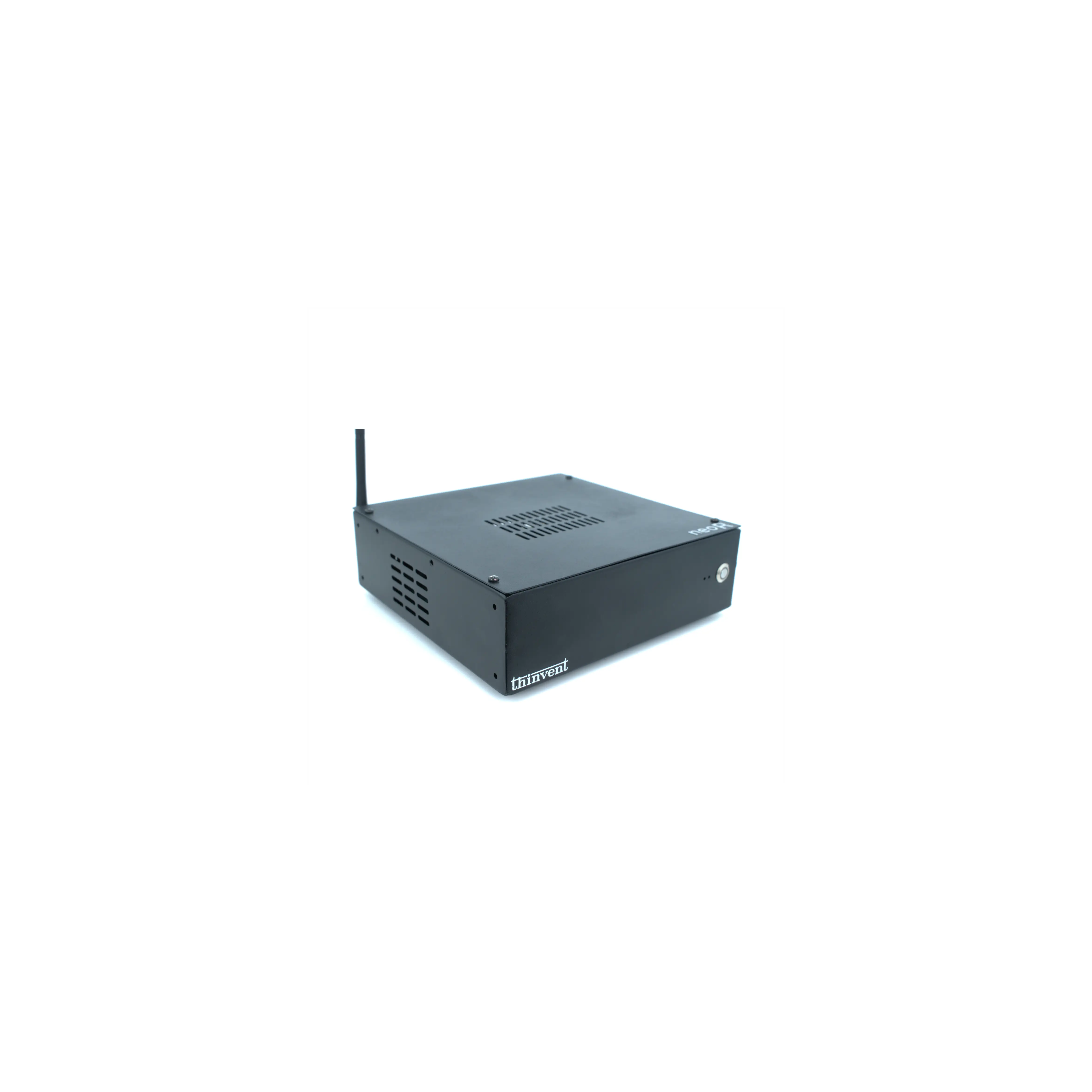
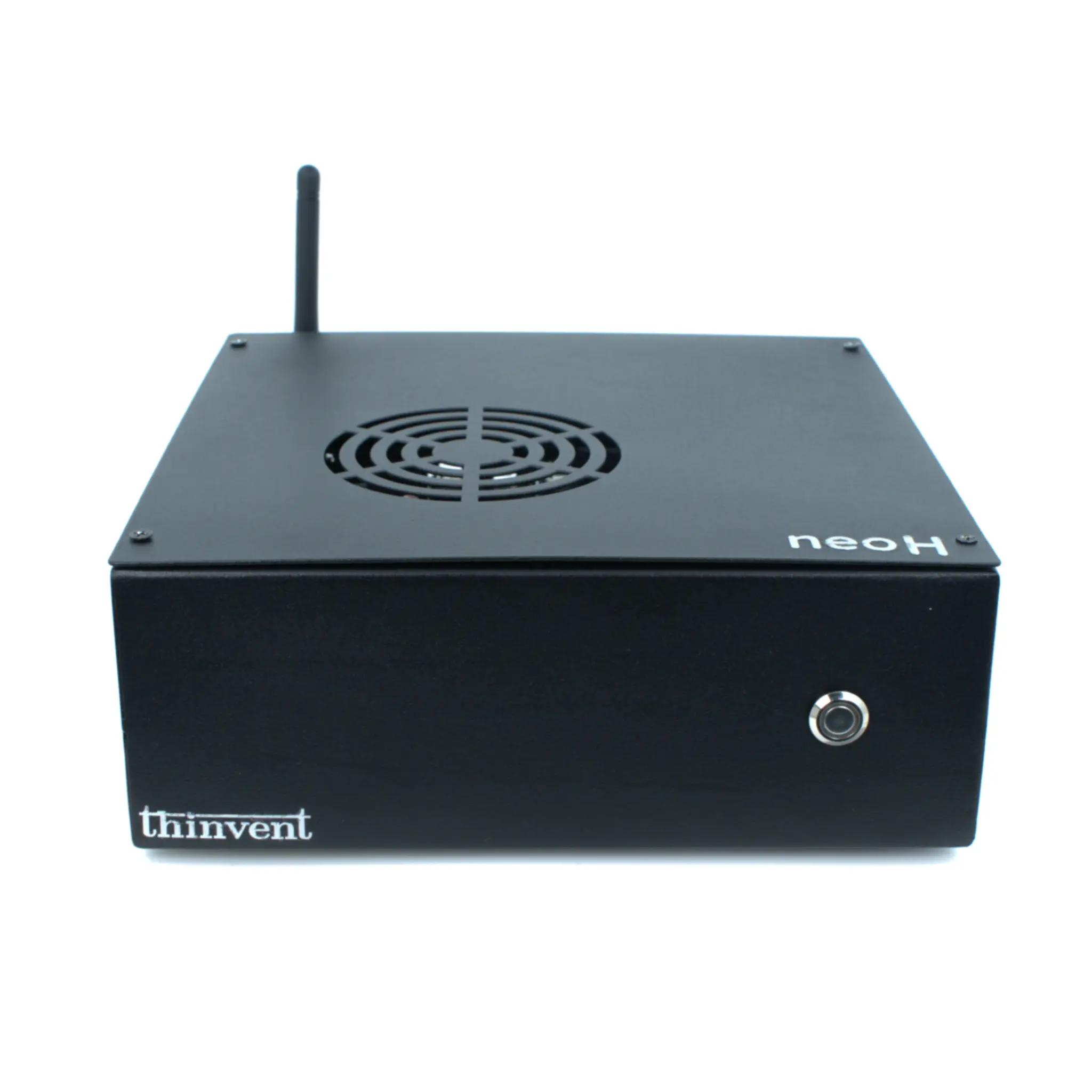
Thinvent's Industrial PCs with Core i7 Performance
Thinvent offers a range of robust industrial computing solutions that leverage the power of Intel Core i7 processors across various form factors. Our systems are engineered for reliability in harsh environments, featuring fanless cooling, wide voltage input, and extended operating temperature ranges. Whether you need a compact Mini PC for edge analytics, a modular Industrial PC for factory automation, or a high-performance workstation for design and simulation, Thinvent integrates premium i7 processors onto durable, application-ready platforms. Explore our catalog to find the perfect balance of processing power, connectivity, and industrial ruggedness for your project.