What Are Motherboards With Integrated Processors?
A motherboard with an integrated processor, often referred to as a System-on-Chip (SoC) or board-level computer, features the CPU soldered directly onto the board. This design is fundamental to modern industrial computing, offering a compact, reliable, and power-efficient solution. Unlike traditional desktop motherboards where the CPU is a separate, socketed component, these integrated designs are built for longevity, stability, and operation in demanding environments. They are the core of fanless industrial PCs, panel PCs, and embedded systems.
Key Specifications and Technical Details
The performance and capability of these boards are defined by the integrated processor. Key specifications to consider include:
-
Processor Brand and Series: Primarily Intel (Celeron, Core i3/i5/i7) or ARM-based chips, chosen for balance between performance and power consumption.
-
Processor Generation: Newer generations (e.g., 12th, 13th, 14th Gen Intel) offer improved performance per watt and enhanced integrated graphics.
-
Core Count: Ranges from efficient 4-core processors for basic tasks to 12+ cores for high-performance computing.
-
Thermal Design Power (TDP): Critical for fanless operation; lower TDP processors (e.g., Intel N-series) generate less heat.
-
I/O Connectivity: The number and type of ports (USB, COM, LAN, HDMI) are determined by the chipset and board design.
-
Expansion Slots: Support for M.2 (for storage/Wi-Fi) and sometimes PCIe for additional functionality.
Applications and Use Cases
Integrated motherboard-processor combos are ideal for applications where space, reliability, and minimal maintenance are paramount.
-
Digital Signage & Kiosks: Powering 24/7 displays in retail, hospitality, and public spaces.
-
Industrial Automation: Serving as the brain for PLCs, HMIs, and machine vision systems on the factory floor.
-
Thin Clients & VDI: Providing secure, centralized desktop access in corporate and educational environments.
-
Edge Computing & IoT Gateways: Collecting, processing, and transmitting data from sensors in smart cities, agriculture, and energy.
-
Transportation: Used in-vehicle infotainment, surveillance, and fleet management systems.
Comparison of Common Integrated Processor Types
| Feature | Intel N-Series (e.g., N100) | Intel Core i-Series (e.g., i3/i5) | ARM-Based Processors |
|---|---|---|---|
| Primary Use | Basic computing, thin clients, lightweight IoT | General-purpose industrial computing, multitasking | Ultra-low power, dedicated embedded applications |
| Performance | Good for entry-level tasks | High, suitable for demanding applications | Varies; often optimized for specific workloads |
| Power Efficiency | Excellent (Low TDP) | Good to High (depends on model) | Exceptional |
| Typical OS Support | Windows, Linux | Windows, Linux | Linux, Android, RTOS |
| Ideal For | Fanless mini PCs, digital signage, kiosks | Industrial workstations, automation controllers | Battery-powered devices, custom embedded solutions |
Thinvent Products Featuring Integrated Motherboards
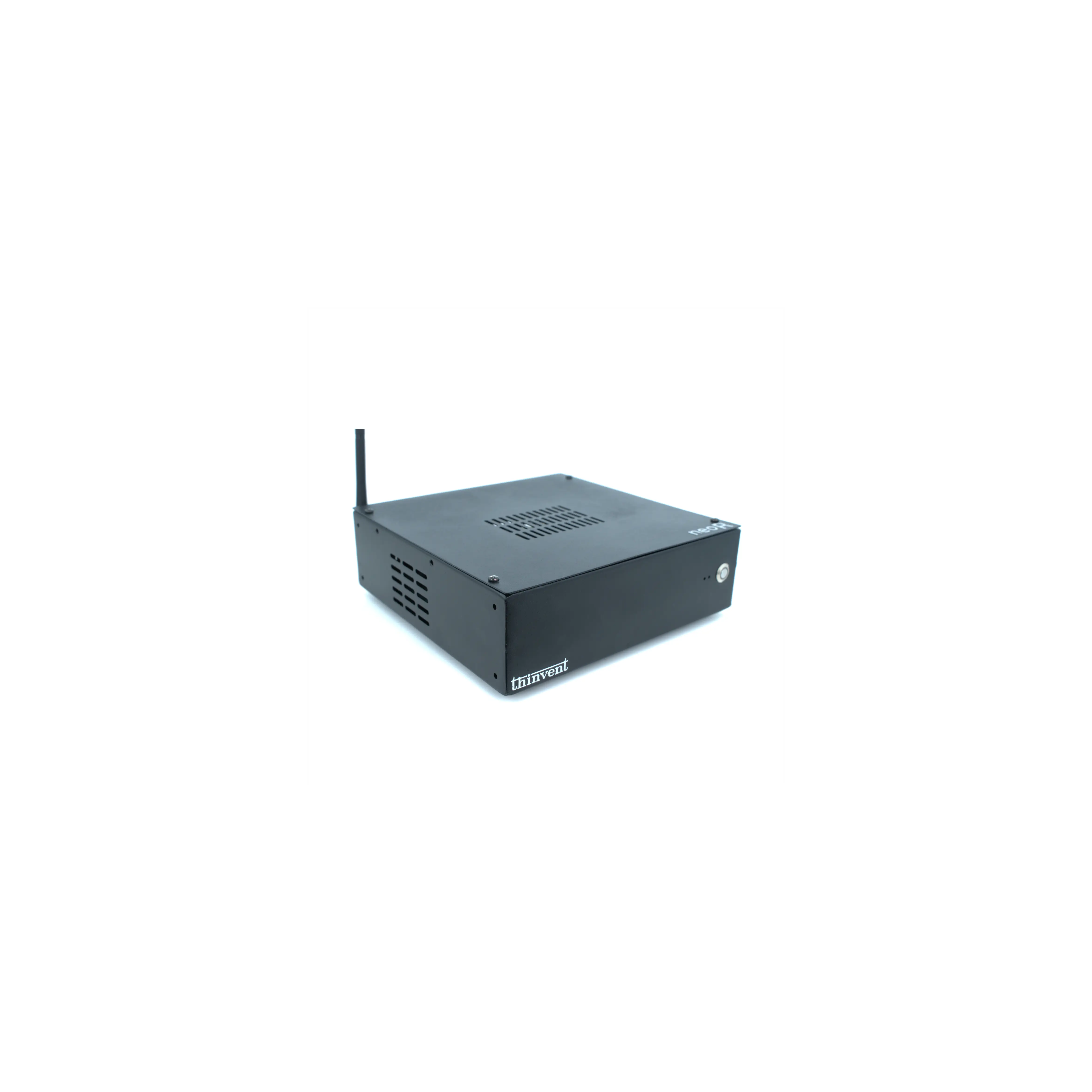
Thinvent specializes in robust industrial computing solutions built around reliable motherboard and processor combinations. Our product range includes compact Mini PCs and versatile Industrial PCs that leverage these integrated designs for fanless, durable operation. For instance, our Aero Mini PC series utilizes efficient Intel N-series processors soldered onto industrial-grade motherboards, ensuring stable performance in extended deployments. We offer configurations with various memory, storage, and operating system options to match specific application requirements, from lightweight Ubuntu Linux setups to full Windows 11 Pro environments for enterprise software compatibility.