Intel N100 vs J6412 Processor Comparison
Choosing the right processor for an industrial or embedded computing solution is critical for balancing performance, power efficiency, and cost. This guide compares two popular Intel processors for compact systems: the older Intel Celeron J6412 and the newer Intel Processor N100. While both are quad-core, low-power chips designed for fanless and space-constrained applications, the N100 represents a significant generational leap in performance and efficiency.
Key Specifications and Technical Details
The primary difference lies in their architecture and manufacturing process. The Intel Celeron J6412 is based on the older "Elkhart Lake" architecture (10nm), while the Intel Processor N100 is part of the newer "Alder Lake-N" architecture (Intel 7 process). This architectural shift brings substantial improvements. The N100 features a higher maximum turbo frequency (up to 3.4 GHz vs. the J6412's 2.6 GHz), a larger L2 cache (6 MB vs. 1.5 MB), and support for faster memory (DDR5/LPDDR5 vs. DDR4/LPDDR4 on the J6412). Crucially, the N100 maintains a lower base Thermal Design Power (TDP) of 6W, compared to the J6412's 10W, leading to better power efficiency and cooler operation.
| Specification | Intel Processor N100 | Intel Celeron J6412 |
|---|---|---|
| Architecture | Alder Lake-N (Intel 7) | Elkhart Lake (10nm) |
| Cores / Threads | 4 / 4 | 4 / 4 |
| Max Turbo Frequency | Up to 3.4 GHz | Up to 2.6 GHz |
| Cache (L2) | 6 MB | 1.5 MB |
| Memory Support | DDR5, LPDDR5 | DDR4, LPDDR4 |
| Base TDP | 6 W | 10 W |
| Integrated Graphics | Intel UHD Graphics (24 EU) | Intel UHD Graphics (16 EU) |
Use Cases and Applications
Both processors are well-suited for light-duty, always-on applications where low heat and silent operation are paramount. The J6412 is a capable chip for basic digital signage, thin clients, and simple IoT gateways. However, the Intel N100 is the clear choice for more demanding workloads. Its superior single and multi-threaded performance (benchmarks show a ~40% performance uplift) makes it ideal for advanced digital signage with 4K video, entry-level industrial PCs for light automation, compact point-of-sale systems, and network appliances that require more processing headroom. The N100's improved integrated graphics also provide better support for dual 4K displays.
Thinvent Products Featuring Intel N100 Technology
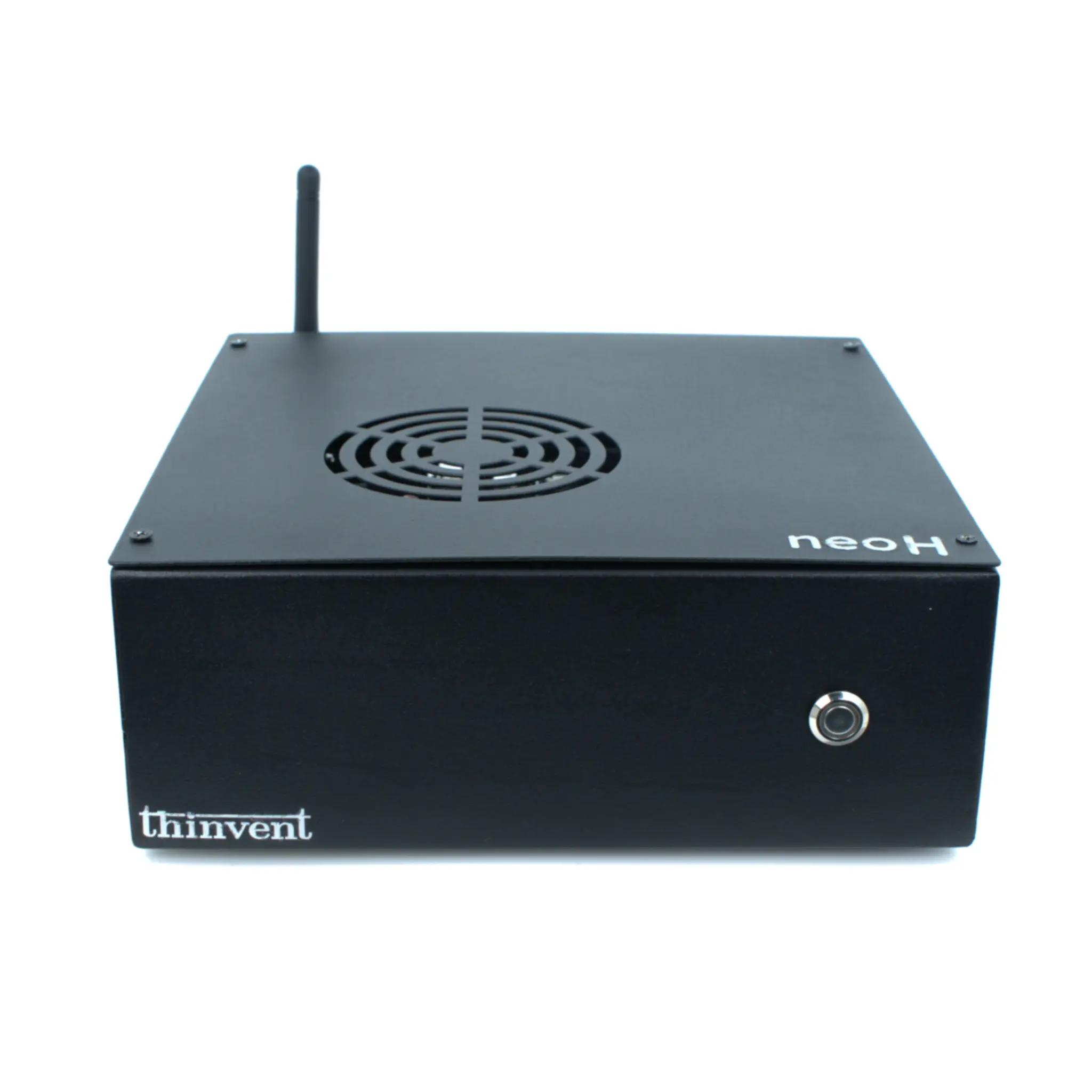
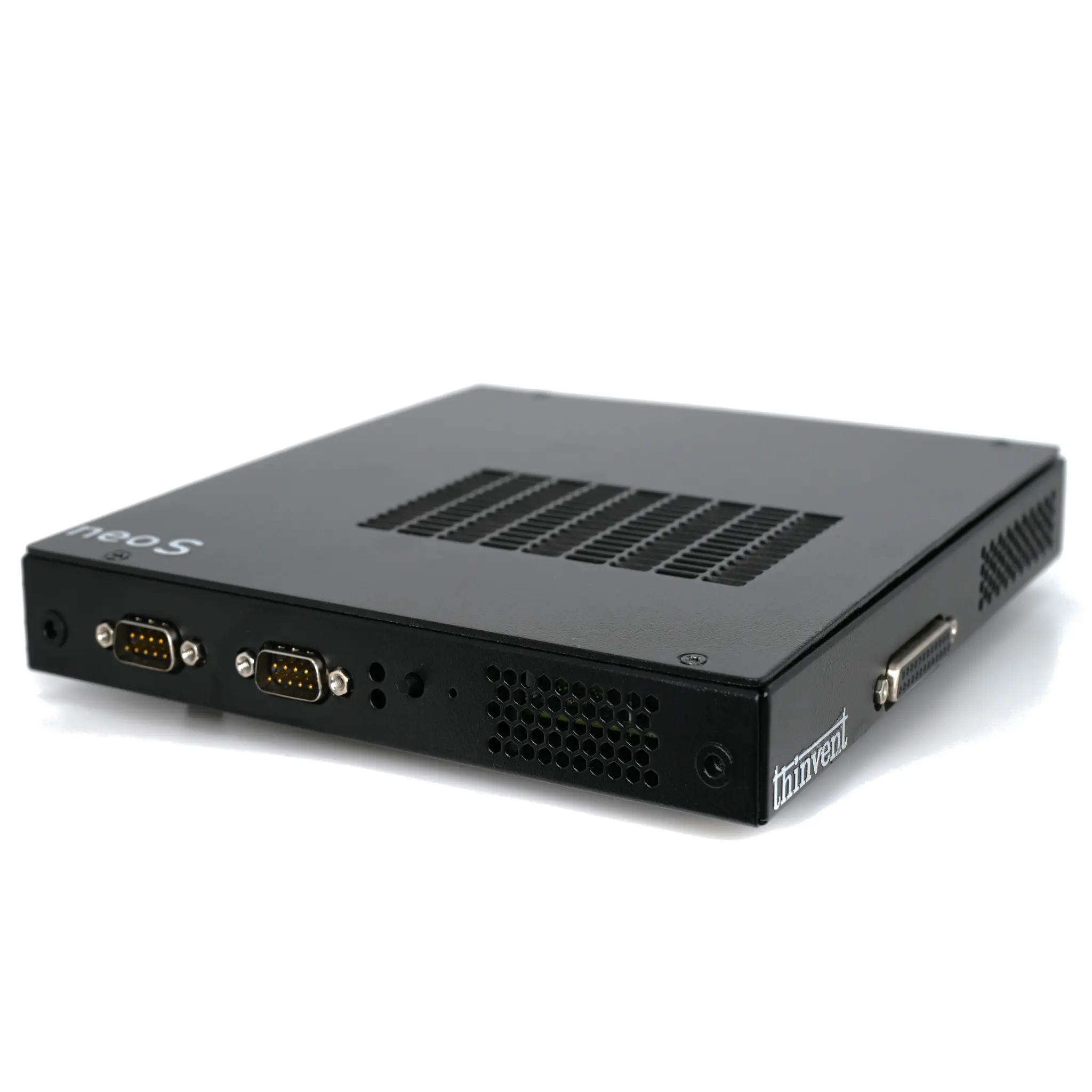
Thinvent leverages the efficiency and performance of the latest Intel processors like the N100 across its product lines. Our Treo Mini PC and Industrial PC IPC1 are prime examples, offering the Intel N100 in compact, fanless designs perfect for embedded and industrial environments. These systems benefit from the N100's excellent performance-per-watt, enabling reliable operation in kiosks, automation control, and edge computing nodes. For users requiring even greater performance, our product portfolio scales up to systems powered by Intel Core i3, i5, and i7 processors, ensuring we have a solution for every industrial computing need.