What Is a Nano PC for Linux?
A nano PC is a very small computer that runs a full desktop or server operating system. For Linux users, a nano PC gives a compact system that can run Ubuntu Linux, development tools and office software without a large tower case. The category covers small fanless or low-power boxes used at desks, in labs, at kiosks and in server closets.
Key Specifications to Check
When you compare nano PCs for Linux, check these specifications first:
-
Processor: Intel N-series processors such as the N100 provide 4 cores and up to 3.4 GHz.
-
Cache: A 6 MB cache supports faster repeated access to data.
-
Memory: 16 GB DDR4 RAM gives room for several open applications and virtual machines.
-
Storage: A 128 GB SSD stores the operating system and applications.
-
Power: The power adapter rating (2A, 5A or 10A at 12V) sets the supply that the unit receives.
-
Wireless: Models are available with no WiFi or with Dual Band WiFi.
Use Cases
A nano PC running Linux suits these tasks:
-
Software development and testing
-
Office and document work
-
Home or lab servers
-
Digital signage and kiosk control
-
Classroom and training computers
-
Light network and system administration
Comparison Table
| Feature | Thinvent Aero Mini PC (N100) |
|---|---|
| Processor | Intel N100, 4 cores, up to 3.4 GHz |
| Cache | 6 MB |
| Memory | 16 GB DDR4 |
| Storage | 128 GB SSD |
| Operating system | Ubuntu Linux |
| Wireless | No WiFi, or Dual Band WiFi |
| Power adapter | 12V 2A, 5A or 10A |
The Thinvent range does not include a Raspberry Pi-based board. Linux distributions for Raspberry Pi boards run on those boards, but the Thinvent range uses the Intel N100 processor instead.
Thinvent Nano PCs for Linux
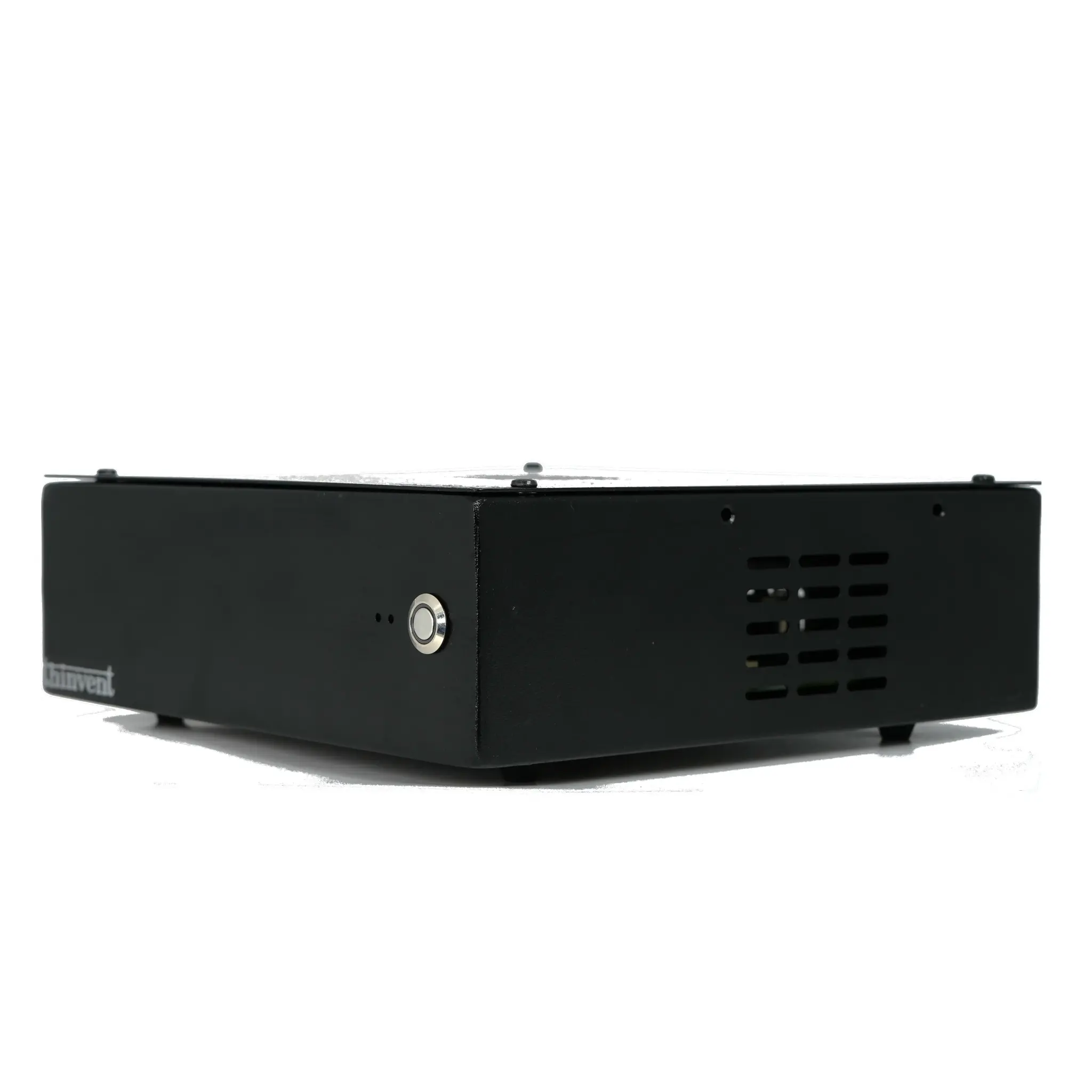
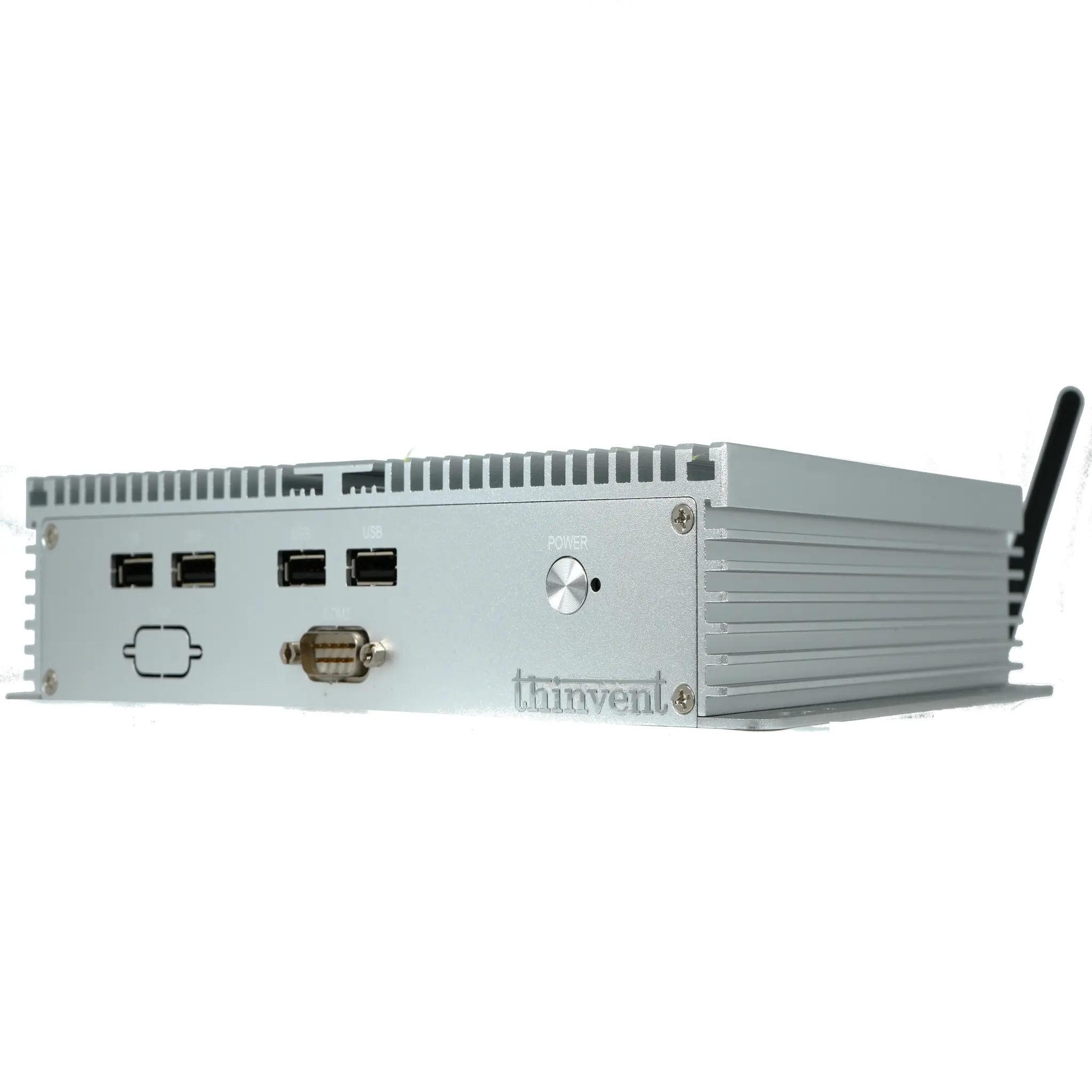
The Thinvent Aero Mini PC uses the Intel N100 processor with 16 GB DDR4 RAM and a 128 GB SSD, and ships with Ubuntu Linux. Choose a model with no WiFi or with Dual Band WiFi, a 2A, 5A or 10A power adapter, and an optional Thinvent keyboard and mouse set.